Is Dendrobium good for lungs?
Dendrobium, a vast and diverse genus of orchids, holds a long-established position within Traditional Chinese Medicine (TCM), often associated with supporting various aspects of bodily function, including respiratory wellness. [3][5] When considering the question of whether this botanical group is beneficial for the lungs, one must navigate between centuries of traditional application and the emerging, though still preliminary, scientific validation of its chemical properties. [1][10] The historical context suggests its use for conditions manifesting as respiratory distress, such as managing chronic cough, asthma, or bronchitis. [3]
# Traditional Uses
The application of certain Dendrobium species in TCM literature points toward their use in nourishing Yin and moistening the lungs, traditionally addressing symptoms characterized by dryness or heat within the respiratory tract. [3] This practice suggests an established empirical connection to lung health spanning many years. [3] For instance, some traditional preparations incorporate Dendrobium to treat symptoms like a dry cough, often seen as a sign of yin deficiency. [3] While this historical record is significant, it relies on observable effects rather than modern clinical proof of efficacy for specific diseases like COPD or pneumonia. [5]
# Scientific Activity
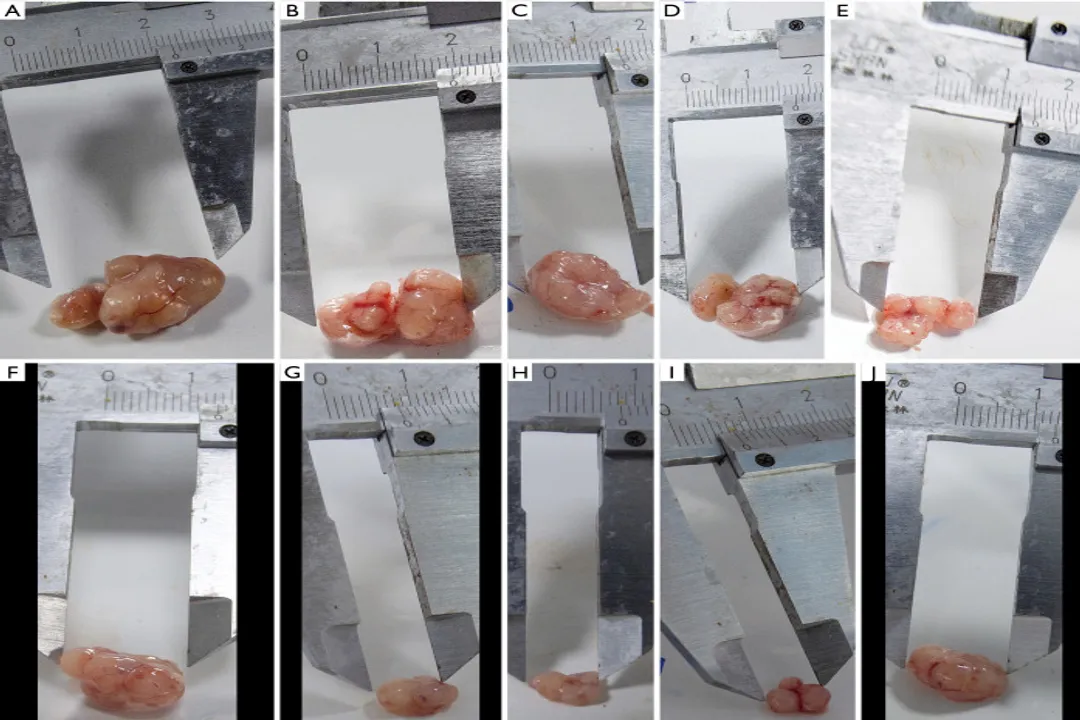
Modern research begins to investigate the biological activities of Dendrobium extracts, focusing on the molecular pathways that might underpin these traditional claims. Several studies highlight significant antioxidant and anti-inflammatory potential within various Dendrobium species. [1][4][10] These effects are particularly relevant when discussing lung health, as many chronic respiratory ailments involve underlying inflammatory processes or oxidative stress. [1]
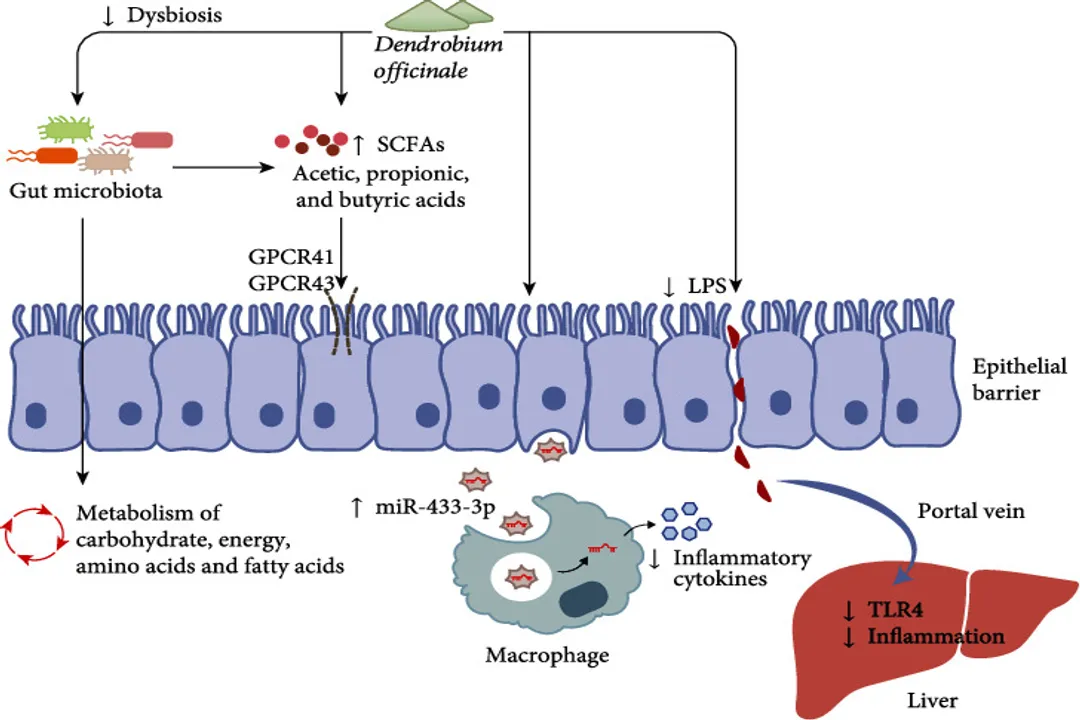
One area of promising investigation involves the polysaccharides found in these orchids. Research has specifically examined Dendrobium officinale polysaccharides (DOP) for their impact on allergic airway inflammation, using mouse models. [4] The findings indicated that DOP administration offered a protective effect against this induced inflammation. [4] Furthermore, the broader pharmacological profile of Dendrobium polysaccharides often includes immunomodulatory properties, suggesting they can influence the body's defensive responses. [10] This mechanism—dampening inappropriate inflammation—is precisely what the body needs when dealing with allergic responses or chronic irritation in the airways. [4]
It is interesting to note the consistency across the research abstracts: the benefits observed generally stem from modulating cellular responses—acting as an antioxidant or modulating inflammation—rather than direct antimicrobial action against airborne pathogens. [1][10] This suggests that Dendrobium's primary support for the lungs might be through protective maintenance rather than acute infection fighting.

# Active Components
The beneficial actions are attributed to the complex mixture of compounds concentrated within the orchid, most notably the polysaccharides and various alkaloids. [1][10] Different species and different preparation methods can yield vastly different chemical profiles, which is a crucial variable when assessing consistency of effect. [2] For example, one analysis focused on the chemical composition of Dendrobium species, noting the presence of compounds like bibenzyls and phenanthrenes. [2] While these compounds are studied for various health effects, the research most directly linked to respiratory benefits tends to isolate the larger carbohydrate structures, the polysaccharides. [4][10]
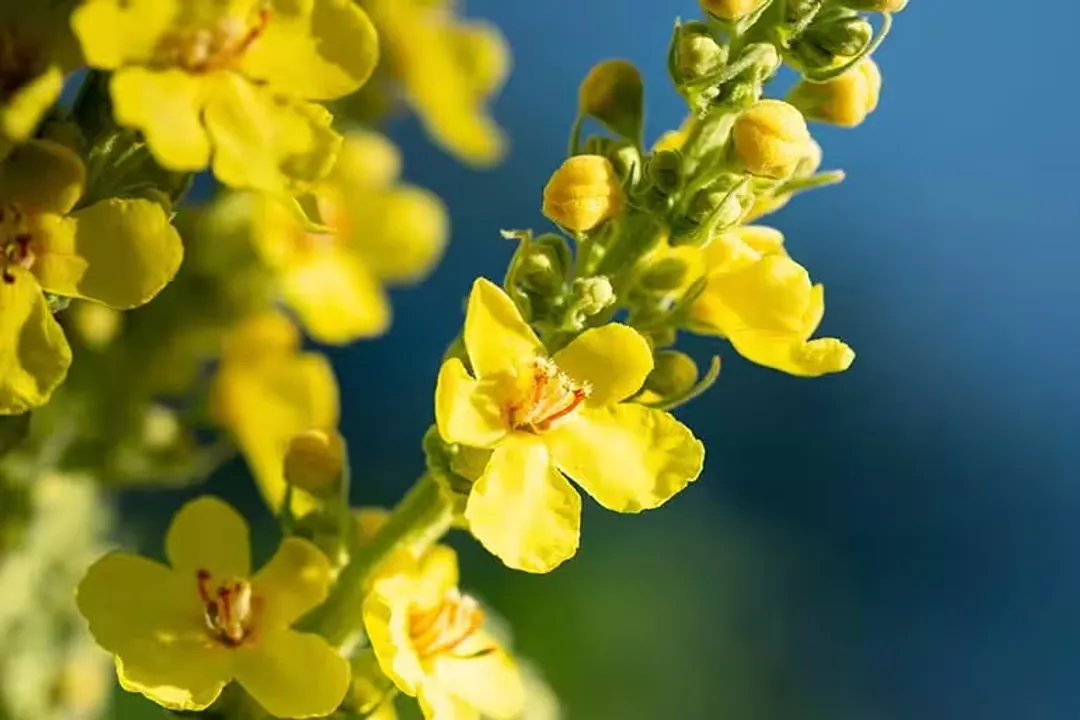
If we look at a common comparison in herbalism, substances like Mullein (Verbascum thapsus) are often cited for respiratory relief, sometimes specifically for soothing irritated mucous membranes or acting as an expectorant. [9] Dendrobium, based on the current scientific summaries, seems to approach lung support more from a regulatory standpoint—calming down the underlying inflammatory response—rather than through direct expectorant action. [4] The differing mechanisms imply that substituting one for the other would yield different physiological results, underscoring the need to match the herb's documented activity to the specific respiratory symptom being addressed.
# Chemical Variability Insight
A practical consideration for anyone researching herbal support is the sheer diversity within the genus. Dendrobium encompasses hundreds of species, and the chemical makeup—and thus the expected effect—can vary significantly between Dendrobium officinale used in one study and a different species sold commercially. [1][2] This variation presents a challenge when translating laboratory findings (often from a single, verified source material) to a general consumer product. For the potential lung benefits suggested by the mouse model studies, one might hypothesize that the concentration and specific structure of the active polysaccharides are the determining factors for efficacy, making standardization a major area where further quality control is needed in the supply chain. [4][10]
# Limitations and Evidence Gaps
Despite the positive findings in cellular or animal models, a significant gap remains in the translation to human clinical evidence specifically concerning respiratory diseases. While Dendrobium is recognized in general ingredient databases for potential uses, including lung problems, [5] the available research cited here focuses predominantly on in vitro studies or animal models investigating inflammation. [4][10]
There is a lack of published, peer-reviewed human intervention trials demonstrating that taking a standardized Dendrobium supplement effectively treats, prevents, or improves the symptoms of established human lung conditions like emphysema or severe asthma. [1][5] This absence of direct human data is common in early-stage herbal research but must be respected when discussing potential therapeutic applications. Therefore, the current evidence suggests a plausible mechanism of action (anti-inflammation) that might benefit the lungs, rather than a proven benefit. [1]

# Integrating Traditional Knowledge
To bridge the gap between traditional use and modern science, one can look at the alignment between the observed activities and the traditional indications. Traditional medicine often targets systemic balance. If chronic lung irritation is viewed through a TCM lens as an imbalance (e.g., dryness or heat), the antioxidant and balancing effects of Dendrobium compounds could logically help mitigate that imbalance over time. [3]
An analytical approach suggests that for long-term maintenance or for individuals experiencing mild, chronic irritation rather than acute flare-ups, an herb noted for its protective cellular functions, like Dendrobium's antioxidant capacity, might be more relevant than an herb primarily known for immediate symptomatic relief. [1][4]
# Actionable Context Tip
When considering the integration of Dendrobium or any traditional herb into a wellness routine focused on respiratory maintenance, it is helpful to categorize the desired outcome. If the goal aligns with reducing oxidative stress or modulating mild inflammatory responses—the areas where scientific studies show activity—then Dendrobium warrants further investigation based on its profile. [10] However, if the immediate need is for acute symptom relief, such as loosening thick mucus, consulting an expert about herbs with known expectorant properties, like Mullein, might be more directly supported by traditional experience for that specific goal. [9] This distinction between systemic support and acute symptom management is key for informed selection.
# Safety and Sourcing
Information on the safety profile of Dendrobium for long-term pulmonary use is limited in the provided general summaries. [5] While it appears in traditional medicine, modern safety data related to high-dose, sustained use specifically for lung conditions is often missing or not widely disseminated in the general literature. [5]
Sourcing becomes a factor when the benefit is tied to specific constituents, such as the polysaccharides. [10] Because this genus is used both medicinally and ornamentally, the purity and identification of the purchased material are paramount. [7][8] Products intended for medicinal use should ideally come from suppliers who can verify the species and extraction method, which influences the final biochemical makeup available to the body. [2] Without strict controls, the amount of beneficial active component—for example, the DOP studied in mice—could be highly inconsistent between batches or brands. [4]
In summary, Dendrobium possesses scientifically identified properties, such as antioxidant capacity and the ability to temper allergic airway inflammation in models, that align conceptually with supporting lung health against irritants and chronic low-grade inflammation. [1][4] This aligns with its traditional recognition for addressing dry cough and related ailments. [3] However, consumers and practitioners should recognize that the current evidence strongly supports mechanistic plausibility derived from cellular and animal studies, but it has not yet progressed to the level of definitive, large-scale human trial proof required to officially recommend it as a primary treatment for specific respiratory diseases. [5] The decision to incorporate it remains largely rooted in traditional use, supported by preliminary pharmacological activity. [3][10]
Related Questions
#Citations
Dendrobium officinalis inhibited tumor growth in non-small cell lung ...
Dendrobium officinale polysaccharides ameliorated pulmonary ...
Relationship: Lungs and Dendrobium - Caring Sunshine
Therapeutic potential and mechanism of Dendrobium officinale ...
Dendrobium - Uses, Side Effects, and More - WebMD
Dendrobium Extract 3200mg - Lungs Cleanse & Detoxify ... - eBay
How Mullein Benefits Your Lungs - Cleveland Clinic Health Essentials