How much wild lettuce tincture should I take?

Navigating the use of wild lettuce tincture often proves challenging because there is no universally recognized standard dose for the herb. This plant, frequently referred to as "opium lettuce," has a long history in traditional herbalism for its sedative and mild analgesic properties, but because it is an herbal preparation rather than a regulated pharmaceutical, the concentration can differ significantly between brands and batches. [2][4] Finding the right amount for your individual needs requires a cautious, graduated approach rather than following a one-size-fits-all instruction.
# Dosage Challenges
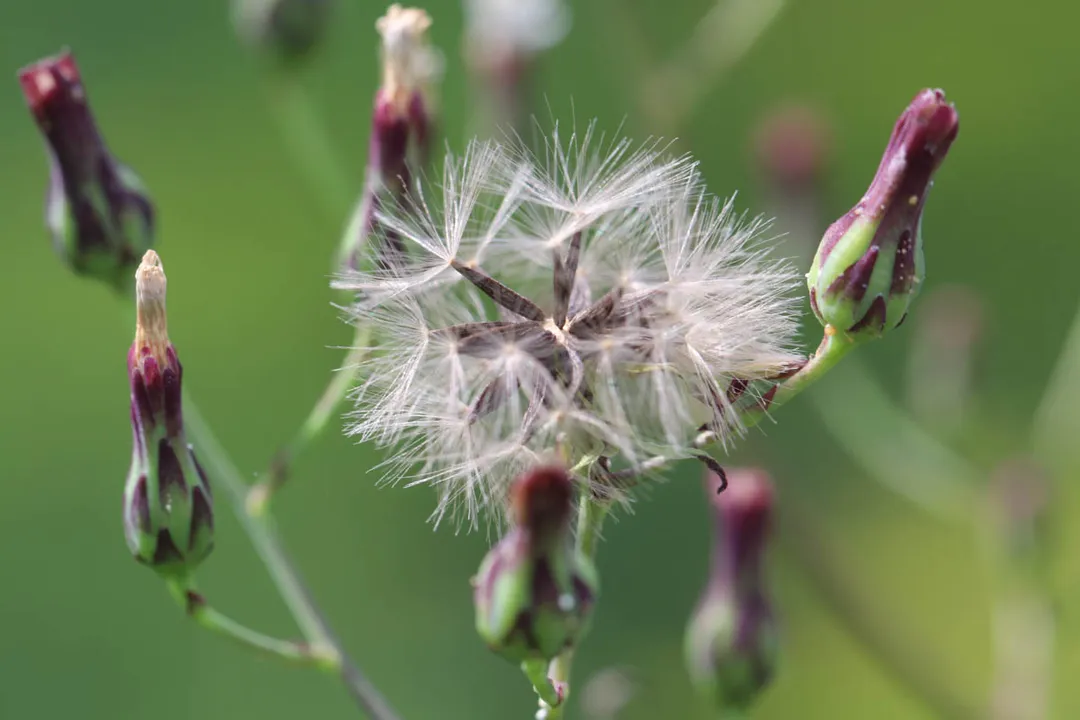
The reason you rarely see a single, definitive "take this much" instruction is that wild lettuce (Lactuca virosa) potency changes based on several factors. These include when the plant was harvested, the specific soil conditions where it grew, and the extraction method used by the producer. [3] Some tinctures are made using fresh plant material, which captures more volatile compounds, while others rely on dried leaves, which may contain different concentrations of the plant's active constituents, such as lactucarium. [7][10]
Because of these variables, an amount that provides a mild effect for one person might be too strong or completely ineffective for another. Furthermore, herbal preparations are generally not subject to the same clinical trials as over-the-counter medications, meaning there is limited data to establish a "safe" or "therapeutic" range for general populations. [4] When working with tinctures, you are dealing with a concentrated liquid, which increases the likelihood of variation compared to consuming the plant in a tea or as a dried herb. [3]
# Commercial Instructions
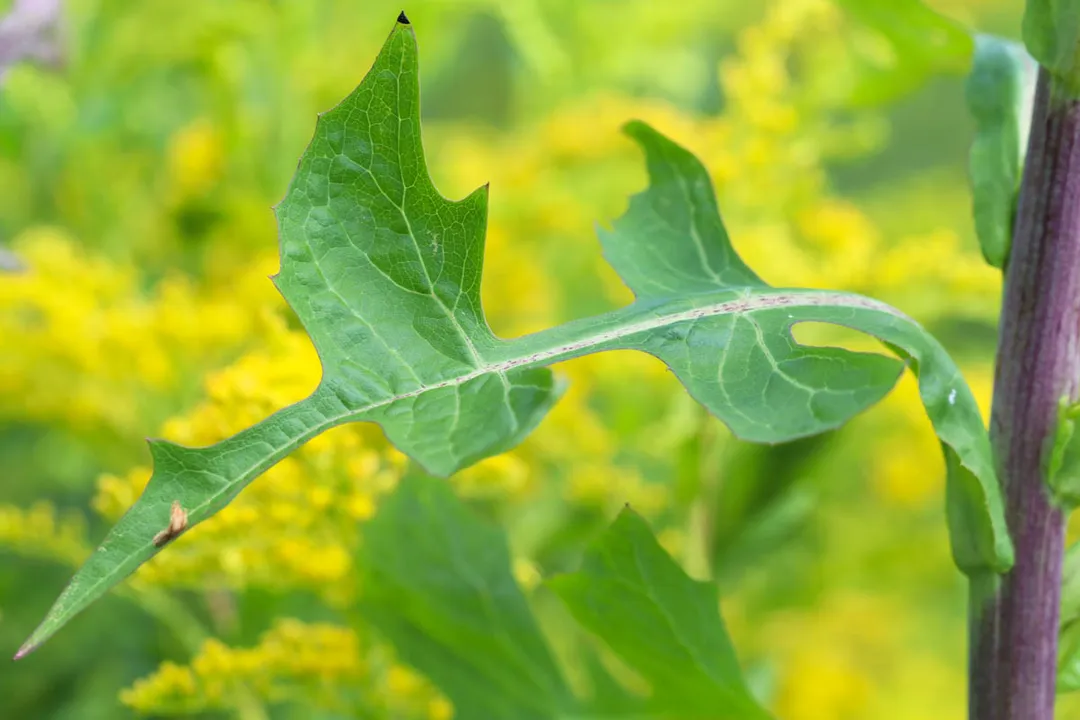
If you are using a commercially prepared tincture, the label is your first and most important point of reference. Manufacturers have usually formulated their products to a specific ratio, such as 1:2 or 1:5, which dictates the strength. [1][8] A 1:2 tincture is significantly more potent than a 1:5 tincture because it contains a higher ratio of plant material to alcohol.
Common recommendations for standard commercial extracts often range from 1 to 3 milliliters, or roughly 30 to 60 drops per dose, typically diluted in water or a small amount of juice to mask the bitter taste. [1][6] It is critical to stick to the manufacturer's suggested dose rather than assuming a higher amount will yield better results. If a product does not list a specific dosage, or if you are unsure, always begin with the smallest recommended quantity to assess your body’s response. [6]
# Preparation Variables
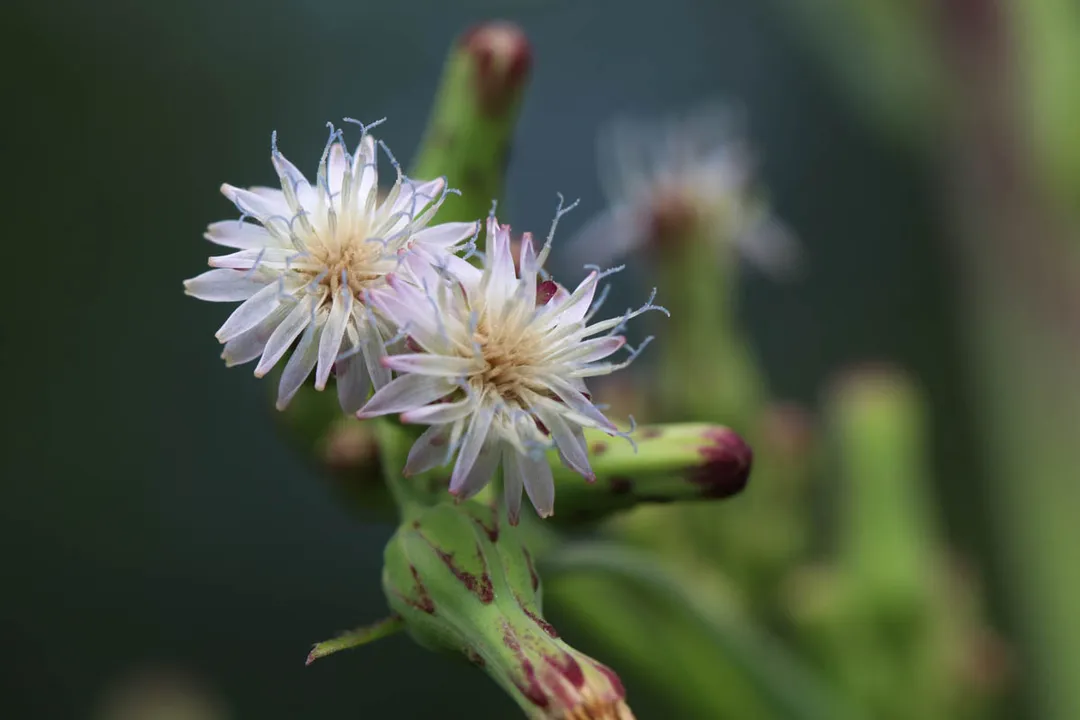
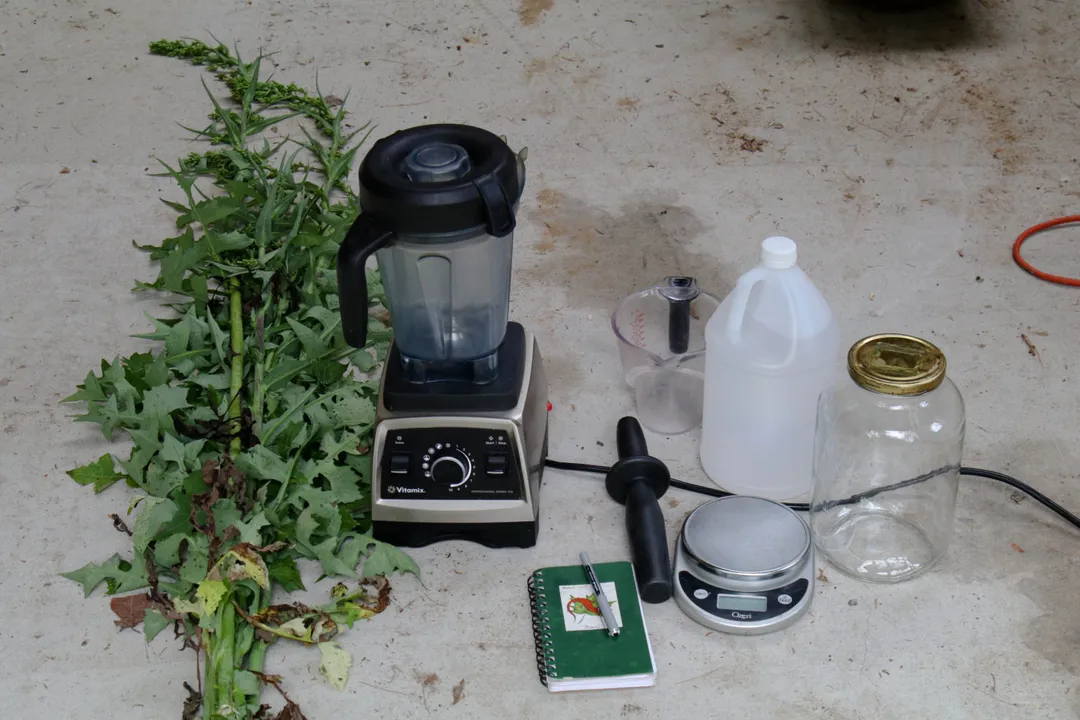
For those who have prepared their own tincture, the approach requires more caution. The potency of a homemade tincture is highly dependent on the milky latex—the lactucarium—present in the plant. [3] If your preparation method successfully captured a high amount of this white sap, the resulting tincture will be much more potent than a simple leaf-only extract. [7][10]
Home herbalists often use a process that involves harvesting the plant when it is beginning to flower, as this is when the lactucarium content is at its peak. [3] If you are working with a potent, resin-heavy homemade tincture, a standard commercial dose may be far too high. Many practitioners recommend starting with a very low amount—perhaps just a few drops—mixed into water to gauge the potency of your specific batch. [7]
| Factor | Impact on Potency |
|---|---|
| Plant Part Used | Sap/Stem contains more alkaloids than leaves. |
| Harvest Timing | Flowering stage increases active compound concentration. |
| Extraction Ratio | 1:2 ratio is stronger than 1:5. |
| Solvent Strength | Higher alcohol content often extracts more resins. |
# Safety Concerns
Safety is a primary consideration with wild lettuce. Despite its name, it is not related to the opium poppy, but it does have mild sedative effects that can interact with other substances. [2] Because of its potential to induce drowsiness, it should never be combined with alcohol, other sleep aids, or central nervous system depressants, as this can lead to excessive sedation. [4]
There are specific groups who should exercise extreme caution or avoid wild lettuce altogether. Individuals with glaucoma should be particularly wary, as the herb may have effects that could exacerbate this condition. [2] Similarly, those with prostate enlargement (benign prostatic hyperplasia) or a history of urinary retention issues should consult a healthcare provider before use, as the compounds in wild lettuce can influence these conditions. [4]
It is also vital to note that allergic reactions are possible, particularly for individuals who are sensitive to plants in the Asteraceae family, such as ragweed, chrysanthemums, or marigolds. [9] If you have known allergies to these plants, use wild lettuce with significant caution or avoid it entirely.

# Administration Tips
When introducing wild lettuce tincture into your routine, treating it as a dynamic variable rather than a static supplement is helpful. Because the plant’s effects are largely subjective, keeping a small journal can provide actionable data for your own experience.
- Document the Baseline: Note the dose you took (in drops or milliliters) and the time of day.
- Track the Response: Record how you felt 30 to 60 minutes after taking it. Did it alleviate the tension you were targeting? Did it cause any unwanted grogginess?
- Maintain Consistency: When testing a new batch, keep the dose consistent for a few days before deciding if you need to adjust it up or down.
- Gradual Increase: If the starting dose shows no effect, wait until the next day to increase the amount slightly. Do not attempt to "catch up" by taking multiple doses in close succession if the first one didn't seem to work.
By treating the herb with respect and acknowledging that every batch and every person is different, you can effectively navigate the lack of standardized dosage guidelines. Always prioritize your personal health history and potential drug interactions above general usage recommendations found in general literature or anecdotal sources. If you are taking prescription medications, specifically those for pain or sleep, consult with your doctor before adding wild lettuce to your regimen to ensure there are no contraindications. [2][9]
# Monitoring Effects
Monitoring how your body reacts is an essential component of responsible usage. Wild lettuce is often characterized by a bitter profile, which is a common trait in plants with these types of traditional uses. The bitterness itself can be a signal that you are working with a potent preparation.
If you notice signs of over-dosage, such as difficulty focusing, nausea, or excessive lethargy, stop the intake immediately. The goal of using a tincture is to provide support for discomfort or sleep, not to induce a state of impairment. Because the effects of a tincture are relatively quick-acting compared to capsules or teas, you will usually know within an hour if the dose was appropriate for your needs.
When using the product for sleep, try taking it at least an hour before bedtime to allow the effects to set in without lingering into the next morning. If your aim is pain management, start with a minimal dose during a time when you do not need to operate heavy machinery or drive, so you can clearly understand how the tincture impacts your alertness. [9]
# Expert Insights
Experienced herbalists often emphasize that the quality of the plant material is just as important as the quantity of the tincture. A tincture made from high-quality, ethically wild-harvested, or properly cultivated lettuce is vastly different from material that has been stored improperly or harvested at the wrong time. [3] When choosing a commercial product, look for brands that provide information about their sourcing and their extraction process.
Transparent companies will often specify whether they use fresh or dried plants and may even provide information on the alcohol percentage used in the extraction. [6][8] This level of detail allows you to make an informed decision about the dose. If a manufacturer is vague about their ingredients or their extraction process, it becomes significantly harder to guess the potency, increasing the risk of taking too much or too little.
Ultimately, the best approach is one of humility toward the plant. Wild lettuce has a long-standing place in traditional use, but it requires careful observation. By starting with the lowest possible amount and slowly adjusting based on your personal physiological response, you can determine what works for you while minimizing the risks associated with an unknown or overly potent dose. Always view the tincture as an adjunct to a healthy lifestyle and professional medical advice, rather than a replacement for necessary medical treatment. [2][4]
#Videos
Making Wild Lettuce Pain Medicine
Related Questions
#Citations
Wild Lettuce Tincture - Natural Sleep Aid & Pain Relief
Wild Lettuce - Uses, Side Effects, and More
Wild Lettuce-Preparing a Concentrated Tincture
Lettuce Opium Uses, Benefits & Dosage
Making Wild Lettuce Pain Medicine
Wild Lettuce (Lactuca spp.)
Using Wild Lettuce for Natural Pain Relief
Wild Lettuce Single Herbal Tincture 150ml
Wild Lettuce: Exploring Health Claims and Safety
Wild lettuce lactucarium extract recipe