How strong of a painkiller is wild lettuce?
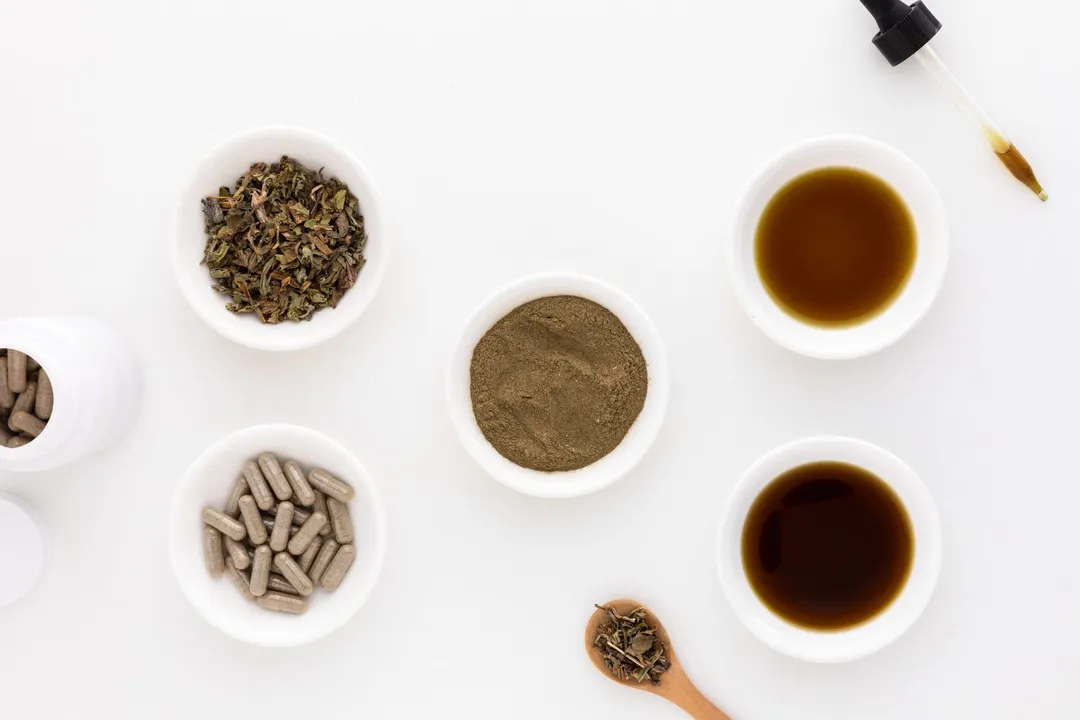
The idea of using a common plant found in fields and disturbed areas as a legitimate pain reliever often sparks curiosity, especially when whispers of its power draw comparisons to stronger pharmaceutical options. Wild lettuce, known scientifically by names like Lactuca virosa or Lactuca serriola, has a long-standing reputation in herbal traditions as an analgesic and sedative agent. [1][5] The central question revolving around this plant is not if it has pain-relieving properties, but rather how powerful they truly are when measured against modern standards.
# Plant Identity

To discuss its strength, we first need to be certain about the plant in question. While several species exist, the primary focus in discussions about potent medicinal qualities generally centers on two types: wild lettuce (Lactuca virosa) and prickly lettuce (Lactuca serriola). [1][9] Prickly lettuce, sometimes called Chinese lettuce, is often considered the milder relative, though both have been historically employed for similar purposes. [9]
Lactuca virosa is often cited as the more medicinally significant species, sometimes referred to as "opium lettuce" due to the milky latex it exudes when cut. [1][4] This latex is the key component people seek when looking for relief. Foragers and herbalists often note that the plant’s potency can vary significantly based on when and where it is harvested. [9] For instance, the concentration of active compounds may be highest just before the plant flowers. [9] The milky sap, which sometimes dries into a brown or yellow resin, is what traditionally gets prepared for medicinal use. [1] Recognizing the correct plant is crucial, as confusion with toxic look-alikes is always a consideration in the wild, though Lactuca virosa is generally not considered dangerous in small, intended doses. [5]
# The Active Compound
The alleged analgesic power of wild lettuce is attributed to a group of chemicals found in the latex, collectively referred to as lactucarium. [1][4][5] This milky substance is the plant’s defense mechanism against insects, and it shares structural similarities with compounds found in the opium poppy (Papaver somniferum). [1][4]
Lactucarium contains several alkaloids, including lactucin and lactucopicrin, which are thought to be responsible for its sedative and pain-relieving effects. [1][4] Because of this chemical similarity, wild lettuce has historically been nicknamed "opium lettuce". [1][4][7] This comparison, while evocative, requires careful context. While structurally related compounds are present, the potency and pharmacological profile are not the same as true opium or morphine. [1]
If you examine commercial preparations, such as tinctures or extracts, you will often find them advertised based on the concentration of these key bitter compounds, sometimes listing the percentage of lactucopicrin or lactucin present. [7] This standardization attempt by modern manufacturers is an effort to bring some consistency to a product whose raw material is inherently variable. [7] It’s important to remember that the white latex or "wild lettuce opium" is what is traditionally used, though modern preparations often use a standardized extract of the whole plant material. [1]

# Potency Comparison
Addressing the central question—how strong is wild lettuce as a painkiller—requires navigating a landscape marked by historical anecdote and a lack of modern, large-scale clinical trials comparing it directly to prescription narcotics. The consensus leans toward it being a mild to moderate analgesic and sedative, rather than a direct, equivalent substitute for potent opiates. [1][4][5]
Traditional uses suggest it was employed for mild pain relief, anxiety, and as a sleep aid—conditions where a gentler touch is preferred over the heavy sedation associated with true opioids. [1][3] For instance, it was sometimes used to soothe coughs or restlessness that interfered with sleep. [5]
When comparing it to something like codeine or morphine, wild lettuce falls significantly short in terms of raw analgesic power. The historical comparison to opium is more about chemical class (the presence of alkaloids with similar structures) than comparable strength. [1] If you were dealing with severe acute pain, wild lettuce would almost certainly be inadequate. [4] Think of it in the context of using an over-the-counter nonsteroidal anti-inflammatory drug (NSAID) versus a prescription opioid for a broken bone; they occupy entirely different tiers of pain management. Wild lettuce seems to sit somewhere in the realm of traditional remedies for discomfort, tension, or minor aches, perhaps comparable in effect to a strong herbal sedative like valerian root or hops, but with a specific focus on pain modulation. [1]
An interesting point of contrast emerges when considering preparation versus raw material. If an herbalist collects the milky sap, dries it into a resin, and creates a highly concentrated tincture, the resulting product will naturally be significantly stronger than simply consuming the raw leaves in a salad. [9] This variability in processing means that two different individuals using "wild lettuce" might experience wildly different levels of effect. This is a core difficulty when trying to assign a standardized strength rating to any wild-harvested botanical. [9] A product standardized to a specific percentage of lactucopicrin, as mentioned earlier, attempts to bypass this inherent natural fluctuation, offering a more predictable dose, even if that dose remains mild compared to pharmaceutical benchmarks. [7]
# Preparation Methods
How the active components are extracted dramatically influences the final strength and effect. This is where the experience of traditional practitioners becomes vital, as methods are geared towards concentrating the active latex.
The most common methods involve processing the milky sap, or lactucarium. [1]
- Tinctures: Alcohol is used as a solvent to draw out the bitter constituents from the dried latex or the fresh plant material. [1] These are highly concentrated and often measured in drops. [1]
- Teas/Infusions: The dried leaves, stems, or flowering tops can be steeped in hot water. [1][3] This method extracts water-soluble components, which are generally considered less potent than those extracted by alcohol or those concentrated in the raw latex. [1]
- Smoking/Vaporizing: Historically, some traditions involved drying and smoking the leaves or the resin. [4] This method provides a very rapid onset of action due to direct inhalation, often leading to immediate sedative effects. [4]
- Raw Consumption: While the young leaves can be eaten like any other lettuce variety, they are generally quite bitter, and the pain-relieving compounds are present in much lower concentrations than in the latex. [9]
When considering the strength, the preparation method acts as the first major dilution factor. A cup of tea made from fresh leaves will have a vastly different impact than a few drops of a high-proof alcohol extract derived from the dried resin. This means that anecdotal reports of strong effects are often tied to concentrated preparations, not casual consumption of the salad green. [4]

# Safety and Side Effects
Even when discussing a milder herbal remedy, safety and potential side effects must be kept in focus. While wild lettuce is generally considered safe when used in appropriate amounts, it is not without risks, especially given its psychoactive components. [1][5]
Potential side effects can mirror those experienced with mild sedatives or true opiates, though usually to a much lesser degree. [1] These may include:
Because of the sedative qualities, one must exercise caution when operating heavy machinery or driving. [1] Furthermore, anyone considering using wild lettuce should avoid combining it with other sedatives, alcohol, or prescription pain medications, as this can dangerously amplify the depressant effects on the central nervous system. [2][5] Individuals who are pregnant or breastfeeding should refrain from using it due to a lack of safety data. [1][2][5]
If someone ingests a significantly large quantity, symptoms can become more severe, potentially involving blurred vision or urinary retention, which are known side effects associated with the alkaloids present in the lactucarium. [5] Always consulting a healthcare provider before starting any new herbal regimen is the most prudent first step, particularly for those managing chronic conditions. [2]
This distinction between chemical similarity and true strength is where a lot of modern discussion gets murky. A person accustomed to strong prescription medication might find wild lettuce completely ineffective, leading them to increase the dose dangerously. Conversely, someone sensitive to sedatives might find even a mild preparation too strong. For instance, if a user relies on the "opium lettuce" nickname to assume a powerful effect, they might miss an opportunity to address a serious pain condition that requires conventional medical intervention. The plant is best viewed as a traditional supplement for mild discomfort, not a replacement for necessary pharmaceuticals. [4]
# Insights on Traditional Versus Modern Application
The continued interest in wild lettuce speaks to a broader trend in herbalism: a search for gentler, plant-based alternatives for managing common ailments. Historically, before synthesized pain medications became ubiquitous, plants like wild lettuce provided one of the few accessible methods for managing sleeplessness or persistent, nagging pain. [3][9] Its status as a field weed meant it was readily available to those who knew how to identify it. [9] The reliance on it wasn't due to it being as strong as opium, but because it was the available botanical agent with demonstrable sedative and pain-dampening qualities. [1]
One angle worth considering is the concept of synergistic effect versus isolated potency. Many traditional herbal formulas combine multiple plants to achieve an effect greater than the sum of their parts. Wild lettuce might be most effective not in isolation, but as one component in a broader sleep or relaxation blend, where its mild analgesic properties complement the sedative effects of other herbs like chamomile or passionflower. The focus shifts from asking, "Is it as strong as Codeine?" to "How can its mild, verifiable sedative action contribute to overall comfort and reduced perceived pain?". [1]
Furthermore, the very bitterness that signals the presence of lactucarium often serves as a natural self-limiting factor for consumption. Plant compounds that taste intensely bitter are often associated with toxicity or strong medicinal action, discouraging overconsumption in traditional contexts. [9] This inherent taste barrier might actually serve as a built-in, if imperfect, guide against accidental overdose when compared to tasteless synthetic substances. Understanding the context of its historical use—for mild irritation, restlessness, or sleeplessness—is far more informative than trying to assign it a numerical strength value on a scale designed for synthetic drugs.

# Final Assessment of Strength
In summary, wild lettuce offers a mild analgesic and sedative effect, primarily attributed to the compounds in its latex, lactucarium. [1][5] It is not considered a strong painkiller comparable to pharmaceutical opioids like morphine or oxycodone. [1][4] Its traditional strength lies in soothing minor aches, easing restlessness, and promoting sleep. [3][5]
Its effectiveness hinges entirely on the species identification, the part of the plant used, and the concentration method employed. [9] While preparations like concentrated tinctures can yield noticeable effects, they are best reserved for managing mild discomfort or promoting relaxation, always with an awareness of potential side effects like drowsiness. [1][2] For any moderate to severe pain, readers should rely on established medical guidance rather than expecting a powerful relief agent from this common field green. [4]
#Videos
Making Wild Lettuce Pain Medicine - YouTube
Related Questions
#Citations
Wild Lettuce (Lactuca virosa): Pain Relief, Benefits and Risks
Wild Lettuce - Uses, Side Effects, and More - WebMD
Wild lettuce for pain: Benefits and more - Medical News Today
Making Wild Lettuce Pain Medicine - YouTube
How to use wild lettuce for pain relief and sedation? - Facebook
Wild Lettuce: Exploring Health Claims and Safety
Amazon.com: Amazing Botanicals Wild Lettuce Extract Tablets 10X ...
Wild lettuce (Lactuca virosa) toxicity - PMC - NIH
Wild lettuce as food and pain relief: how to identify it in your garden.