Why is the Jaipur Foot better suited for squatting than a SACH foot?
Answer
It allows the foot to flatten against the ground under body weight
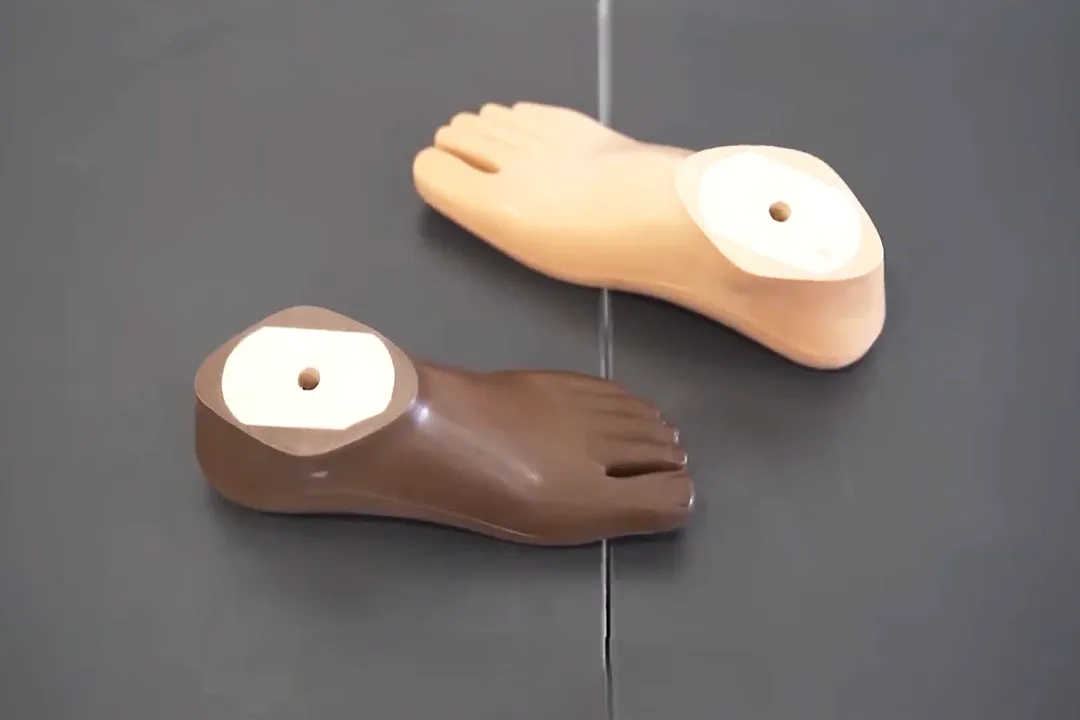
Many conventional prosthetics are optimized for a specific gait pattern on flat surfaces, leaving the foot unable to remain flat during activities like squatting. The rubber composition of the Jaipur Foot allows it to compress and remain in full contact with the ground under the weight of the user's body. This structural adaptation ensures stability, preventing the heel or toe from lifting and allowing the user to perform floor-level activities such as working or eating with the same ease as someone without a prosthetic.
#Videos
Prosthetics vs Orthotics| Jaipur foot | SACH foot| NEET PG| NExT
Related Questions
What primary material is used to construct the Jaipur Foot?How does the Jaipur Foot differ from the SACH foot regarding ankle movement?Why is the Jaipur Foot better suited for squatting than a SACH foot?In what specific environment does the SACH foot experience the most difficulty?How does the Jaipur Foot influence the biomechanics of the user?What contributes to the long-term durability of the Jaipur Foot?What is the core design philosophy of the Jaipur Foot?Why is the natural aesthetic of the Jaipur Foot socially beneficial?What are the core components of a standard SACH foot?How does the Jaipur Foot handle movement on sloped ground?