How does the Jaipur Foot handle movement on sloped ground?
Answer
By using a flexible keel that grips the surface
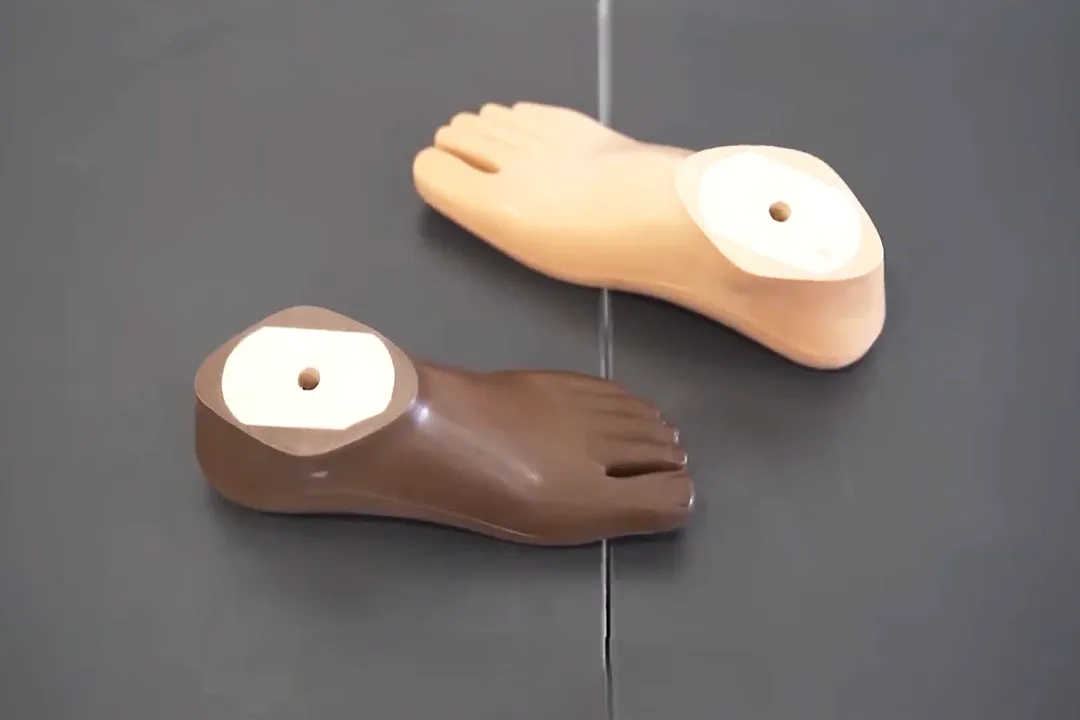
The Jaipur Foot features a design that supports both dorsiflexion and plantarflexion, the vertical movements of the foot. This flexibility allows the prosthetic to conform to the slope of the ground, rather than forcing the user's leg to compensate. Because the construction involves high-density rubber with a flexible keel, the prosthetic can essentially grip the ground, providing a stable contact point that allows for comfortable walking even on soft or inclined paths where a rigid foot would lose stability.
#Videos
Prosthetics vs Orthotics| Jaipur foot | SACH foot| NEET PG| NExT
Related Questions
What primary material is used to construct the Jaipur Foot?How does the Jaipur Foot differ from the SACH foot regarding ankle movement?Why is the Jaipur Foot better suited for squatting than a SACH foot?In what specific environment does the SACH foot experience the most difficulty?How does the Jaipur Foot influence the biomechanics of the user?What contributes to the long-term durability of the Jaipur Foot?What is the core design philosophy of the Jaipur Foot?Why is the natural aesthetic of the Jaipur Foot socially beneficial?What are the core components of a standard SACH foot?How does the Jaipur Foot handle movement on sloped ground?