Which specific pathogens are identified as thriving in the environment of a sponge?
Answer
Salmonella, E. coli, and Campylobacter.
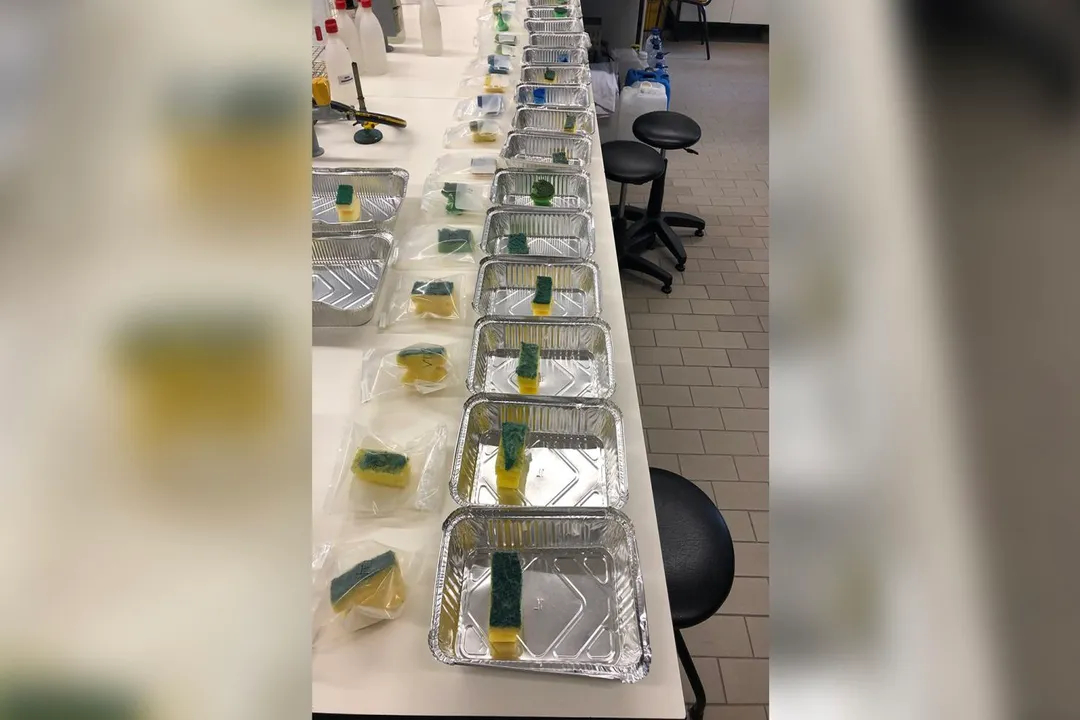
The warm, moist environment of a traditional kitchen sponge is highly conducive to the growth of several dangerous pathogens. Specifically, bacteria such as Salmonella, E. coli, and Campylobacter are known to thrive in these conditions. These microorganisms can be transferred to the sponge's interior after the tool is used to clean surfaces that have come into contact with raw meat or other contaminated items. Once inside, these specific bacteria benefit from the moisture and protection provided by the sponge's structure.
#Videos
SPONGE or SCRUB CLOTH Which One is REALLY Better for ...
Related Questions
Why is a traditional kitchen sponge considered an ideal habitat for bacteria?What is the primary function of a biofilm created by microbes inside a sponge?Why are dish brushes considered a more hygienic alternative to traditional sponges?What is the most effective way to sanitize dishcloths?Why is cotton generally preferred over synthetic microfibers for kitchen dishcloths?What characterizes Tawashi scrubbers as a hygienic cleaning tool?What makes silicone scrubbers resistant to bacterial buildup?How does the Rotation System reduce bacterial growth in kitchen cleaning tools?What is the most problematic environment for storing cleaning tools?Which specific pathogens are identified as thriving in the environment of a sponge?