Which fungus is specifically identified as the cause of Sporotrichosis?
Answer
Sporothrix schenckii.
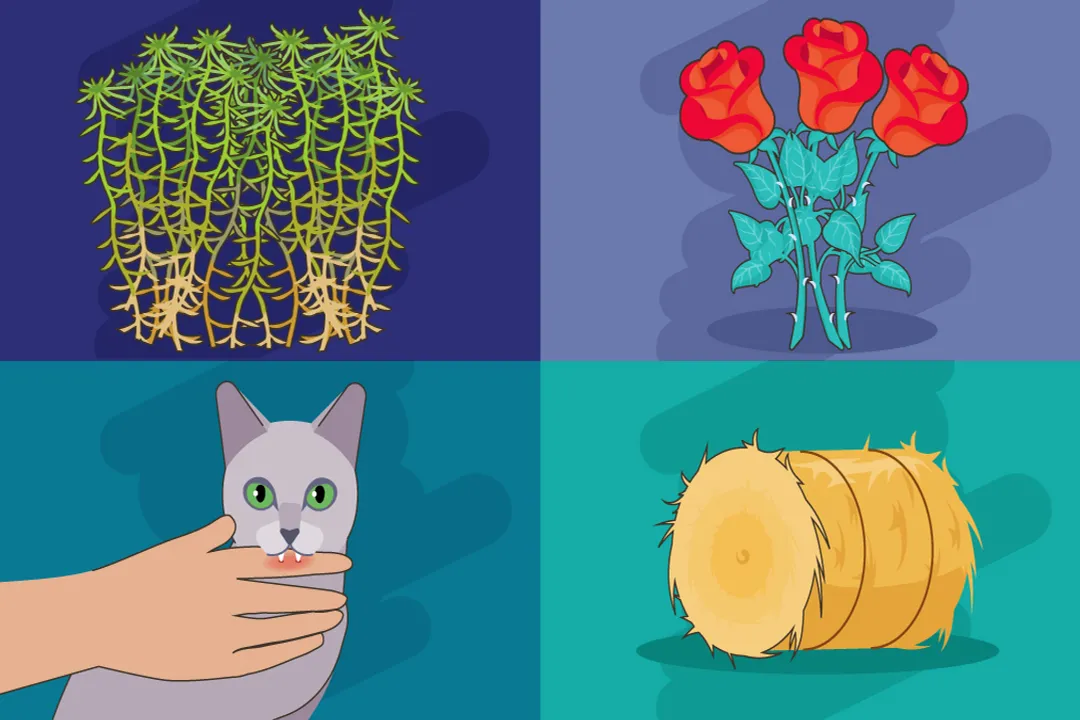
Sporotrichosis, frequently known by the historical moniker Rose Gardener's Disease, is caused by a specific pathogenic fungus named Sporothrix schenckii. This microorganism thrives in specific environments such as soil, moss, and decaying plant debris. Unlike rapid bacterial infections that flare up quickly after contamination, the presence of this specific fungus can lead to delayed symptom manifestation weeks or months later. Identifying the causative agent is crucial because fungal infections require specialized antifungal treatment, distinct from the antibiotics used to combat typical bacterial pathogens.
Related Questions
What is the immediate focus when treating a thorn that breaks off under the skin?What does Increasing Redness (Erythema) spreading past the immediate puncture site suggest?At what general timeframe after injury does Heightened Pain become a significant warning sign?What condition arises when a thorn lodged near a joint capsule causes chronic inflammation?Which fungus is specifically identified as the cause of Sporotrichosis?How does the symptom onset for Sporotrichosis often differ from common bacterial infections?What distinguishing feature allows Sporotrichosis nodules to spread away from the wound?When assessing initial thorn removal, when should probing stop immediately?What condition signals the need for urgent care due to potential systemic involvement?What specific risk is increased by aggressive home excavation of deeply lodged plant matter?