What is Acanthocephala infection?
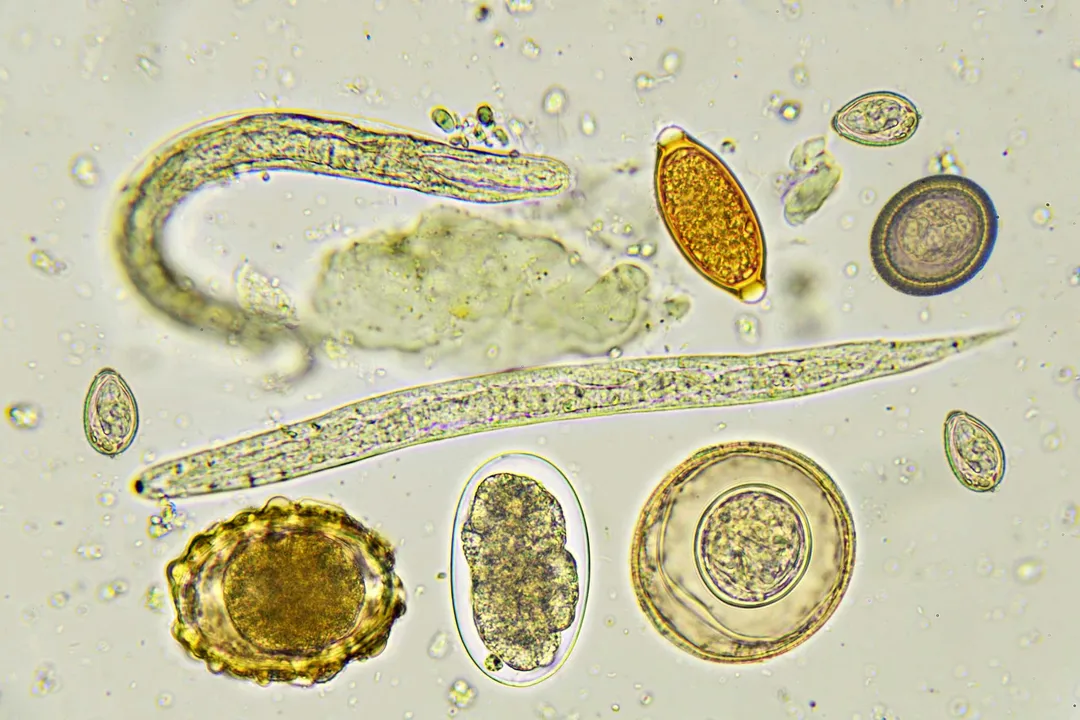
Acanthocephaliasis, the condition resulting from infection by thorny-headed worms, represents a fascinating, albeit often obscure, area of parasitology. These creatures belong to the phylum Acanthocephala, distinguished by the presence of an evertible proboscis armed with hooks, a feature central to their parasitic lifestyle. [6] While they are recognized parasites of many animal groups, including fish, birds, and various mammals, their presence in humans, though rare, warrants clinical and scientific attention when documented. [2] Understanding this infection requires looking not just at the symptoms it might cause, but at the complex life cycle these helminths navigate between hosts. [1]
# Thorny Worms
The Acanthocephala are a group of endoparasitic worms that possess a cylindrical body, lacking a digestive tract entirely. [6] This absence of a gut is highly unusual for a parasitic flatworm or roundworm, requiring them to absorb all necessary nutrients directly across their body wall from the host's intestinal contents. [6] Adult worms are typically small, ranging from a few millimeters up to a meter in length, though the latter size is uncommon in documented infections. [6][2] Their defining characteristic, the proboscis, is covered in numerous rows of hooks, which they use to firmly anchor themselves to the intestinal wall of their definitive host. [6][1] This anchoring mechanism is key to their survival and can sometimes lead to pathological complications in the host. [5]
The structure of the parasite is relatively simple externally, consisting of the proboscis, neck, trunk, and internal reproductive organs. [6] The reproductive apparatus is quite complex, necessitating the involvement of intermediate hosts to complete the maturation process.
# Complex Life Cycle
The life cycle of an acanthocephalan is indirect, meaning it requires at least two different types of hosts to progress from egg to adult. [1] The cycle usually begins when the eggs, passed in the feces of the definitive host (the host harboring the adult worms), are ingested by an appropriate intermediate host. [1] For many species, these intermediate hosts are arthropods, such as crustaceans or insects. [2] Within the intermediate host, the eggs hatch into larval forms known as acanthellae, which then develop into the infective stage, the cystacanth. [1]
When a definitive host consumes the infected intermediate host, the cystacanth is released in the digestive tract and attaches to the intestinal wall, maturing into an adult worm. [1] Definitive hosts are generally vertebrates, often including fish, amphibians, reptiles, birds, or mammals, depending on the specific species of Acanthocephala involved. [2][5] While the parasite is established in the intestine of the definitive host, the female worms release eggs that are then expelled via feces, restarting the cycle. [1]
A point often overlooked when considering helminth infections is the potential for paratenic hosts or transport hosts—organisms that ingest an infected intermediate host but do not allow the parasite to fully develop. These transport hosts can act as a bridge, bringing the parasite closer to the ultimate definitive host. [1] For example, in some aquatic cycles, a fish might consume an infected invertebrate, only to be eaten later by a bird that serves as the true definitive host. [2]
# Animal Infection Focus
Acanthocephalans are well-documented parasites in veterinary medicine, particularly affecting small animals like dogs and cats, though clinical significance varies greatly by species and parasite burden. [5] In small animals, the primary species of concern is often Macracanthorhynchus hirudinaceus, which typically parasitizes swine, or Oncicola canis, which is found in dogs. [5]
For veterinary practitioners, the pathology often relates to the physical trauma caused by the worm's anchoring mechanism. [5] Heavy infections can lead to significant inflammation, ulceration, or even perforation of the intestinal wall, sometimes resulting in severe complications like peritonitis. [5] Because these worms are so firmly attached, their removal during necropsy or surgery can sometimes tear the intestinal lining, which is a key indicator pathologists look for. [5] Clinically, signs in pets might include chronic diarrhea, weight loss, or general malaise, although many animal infections remain asymptomatic or subclinical. [5]
Interestingly, the prevalence in certain animal populations can be quite high, though the specific prevalence rates are highly dependent on geographic location and the availability of the appropriate intermediate host. [2] If a community of dogs or cats has ready access to the specific insect or crustacean carrying the infective cystacanths, the rate of exposure increases significantly. [5]
# Human Disease Rarity
Human infection with Acanthocephala, known scientifically as acanthocephaliasis, is rare but medically recognized. [1][8] Humans are generally considered accidental hosts when they ingest the intermediate host containing the cystacanth stage. [1] The symptoms experienced by a human host often depend on the species of the parasite involved, the number of worms present, the location they penetrate, and the host's immune response. [1][8]
Case reports document various presentations. For instance, the infection caused by Acanthocephalus echinocephalus has been noted in humans, though these reports are infrequent. [7] In documented human cases, symptoms reported often include abdominal pain, nausea, and diarrhea. [8] The physical presence and attachment of the worms can cause localized inflammation. One case report described a patient presenting with symptoms suggestive of a parasitic infection, where the diagnosis was confirmed upon examination of the expelled parasite. [8] It is important to note that while many Acanthocephala species infect fish or birds, the specific route to human infection usually involves ingestion of an intermediate host that harbors the larval form. [1]
One insight gleaned from reviewing sporadic human case documentation is the difficulty in diagnosis prior to expulsion or surgical removal. Unlike nematodes or cestodes, where eggs are commonly found in fecal samples, diagnosis for acanthocephaliasis is challenging without observing the adult or larval worm itself. [1][8] This suggests that if a patient presents with chronic, unexplained gastrointestinal distress where routine parasitic screens are negative, clinicians should maintain a broad differential, considering zoonotic parasites acquired through unusual dietary habits or environmental exposure.

# Finding the Worms
Diagnosis in both human and animal patients relies on identifying the parasite. [1] For veterinary cases, a veterinarian might suspect the infection based on clinical signs and patient history, such as scavenging behavior or known exposure to intermediate hosts. [5]
In humans, the definitive diagnosis usually comes from finding the adult worm or larval stages in the patient's stool or perhaps during an endoscopic procedure or surgery. [1][8] Because the worms attach so firmly, they may be passed only after the host has been treated with an anthelmintic drug that paralyzes the parasite, allowing it to detach and be expelled. [1] If the parasite is found, morphological examination, including examination of the proboscis armature (the number and arrangement of the hooks), is essential for species identification. [6] Modern molecular techniques, such as PCR testing on recovered specimens, can provide definitive species confirmation, which is valuable for epidemiological tracking. [9]
# Treatment and Prevention
Managing acanthocephaliasis centers on eliminating the parasitic burden and addressing any resulting pathology. [1][5] Treatment protocols often involve the use of anti-parasitic medications known to be effective against helminths, though specific drug efficacy against Acanthocephala can vary compared to nematodes. [1] In veterinary medicine, standard dewormers are frequently administered, but success depends on the drug's ability to kill the entrenched adult worms. [5]
Prevention is the most effective strategy and hinges entirely on breaking the parasite's life cycle. [1] This involves controlling the population of the intermediate hosts where possible, or, more practically, preventing definitive hosts from consuming them. [2] For pet owners, this means diligently controlling access to insects, crustaceans, or even raw or undercooked prey animals that might serve as transport or intermediate hosts. [5] In regions where contamination is a concern, maintaining high standards of hygiene and avoiding consumption of potentially contaminated raw freshwater organisms is crucial for human health protection. [1]
Considering the variability across species, a helpful, albeit generalized, step for owners of at-risk animals might be to keep a log of unusual dietary items ingested over a three-month period, as this aligns with typical maturation times for many helminths, potentially correlating a past ingestion event with a current, low-grade infection. [5]
# Global View
The distribution of Acanthocephala species is cosmopolitan, meaning they are found worldwide, but the specific species present in a given area is determined by the local presence of the correct sequence of hosts. [1][2] Epidemiological studies, whether focused on wildlife reservoirs or human/animal health surveillance, highlight that the ecological balance of a region dictates the intensity of transmission. [9] For example, in aquatic environments, the presence of certain types of small fish or aquatic insects can sustain cycles involving fish-eating birds or mammals. [2]
Research into the genetics and evolution of these parasites continues to clarify their relationships with other parasitic worms and provides avenues for better control strategies. [9] While the CDC focuses on those parasites posing significant human health risks, the sheer diversity within the Acanthocephala phylum suggests many species circulate in wildlife populations without ever causing recognized clinical disease in humans. [1] The ongoing documentation of rare human cases, particularly from diverse geographical settings, serves as an important reminder of the zoonotic potential inherent in parasites that utilize multiple hosts across different ecological niches. [7][8]
Related Questions
#Citations
DPDx - Acanthocephaliasis - CDC
What is Acanthocephalan? - GIDEON Informatics
An eye-catching acanthocephalan - ScienceDirect.com
Human Acanthocephaliasis: a Thorn in the Side of Parasite ...
Acanthocephalans in Small Animals - Digestive System
Acanthocephala - Wikipedia
A child with an acanthocephalan infection | Annals of Saudi Medicine
Moniliformis moniliformis acanthocephaliasis in a paediatric patient
Infection with an acanthocephalan helminth reduces anxiety-like ...