Does onion water really fight infections?

The popularity of natural remedies often surges during cold and flu season, and one that has generated significant online buzz is the practice of drinking onion water. People turn to this simple concoction, often made by soaking sliced onions in water overnight, hoping it will offer relief from congestion or even ward off infection entirely. While onions have a long-established reputation in traditional medicine for various ailments, the specific efficacy of consuming the water they steep in requires a closer look at the compounds involved and what current understanding suggests about fighting viruses and bacteria.[1][4]
# Onion Chemistry
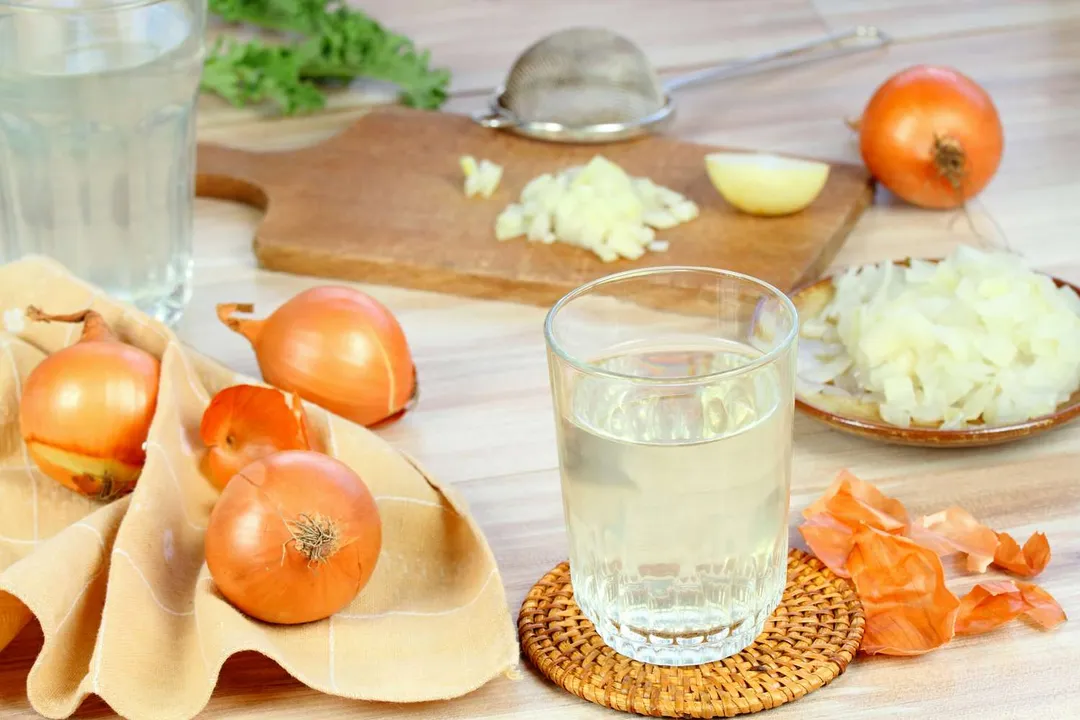
Onions, members of the Allium genus, are rich in various compounds believed to contribute to health. Central to many claims are the sulfur compounds found within them. When an onion is cut or crushed, these compounds are released, which is why the eyes often water. [1][7] These same sulfur-containing substances are often credited with the purported medicinal power of onion preparations, including the water. [1]
Beyond sulfur, onions are a good source of essential nutrients and phytochemicals. They contain antioxidants, which are substances that help protect the body’s cells against damage from free radicals. [2][8] A key antioxidant present is quercetin, a powerful flavonoid that has drawn attention for its anti-inflammatory properties. [4][8] Furthermore, onions supply vitamin C, a well-known contributor to overall immune system function. [2][8] When onions are steeped in water, these compounds—though perhaps in lower concentrations than eating the raw vegetable—are thought to leach out, creating a beverage that proponents believe supports the body’s defenses. [7]
# Congestion Relief
The most frequent application for onion water in modern folk remedies targets respiratory issues like colds, the flu, and associated congestion. [1][6] The logic often ties back to the general properties of onions: acting as an expectorant or helping to soothe irritated airways. [3][9] Some proponents suggest that consuming onion water can help thin mucus, making it easier to expel chest and throat congestion. [4][9]
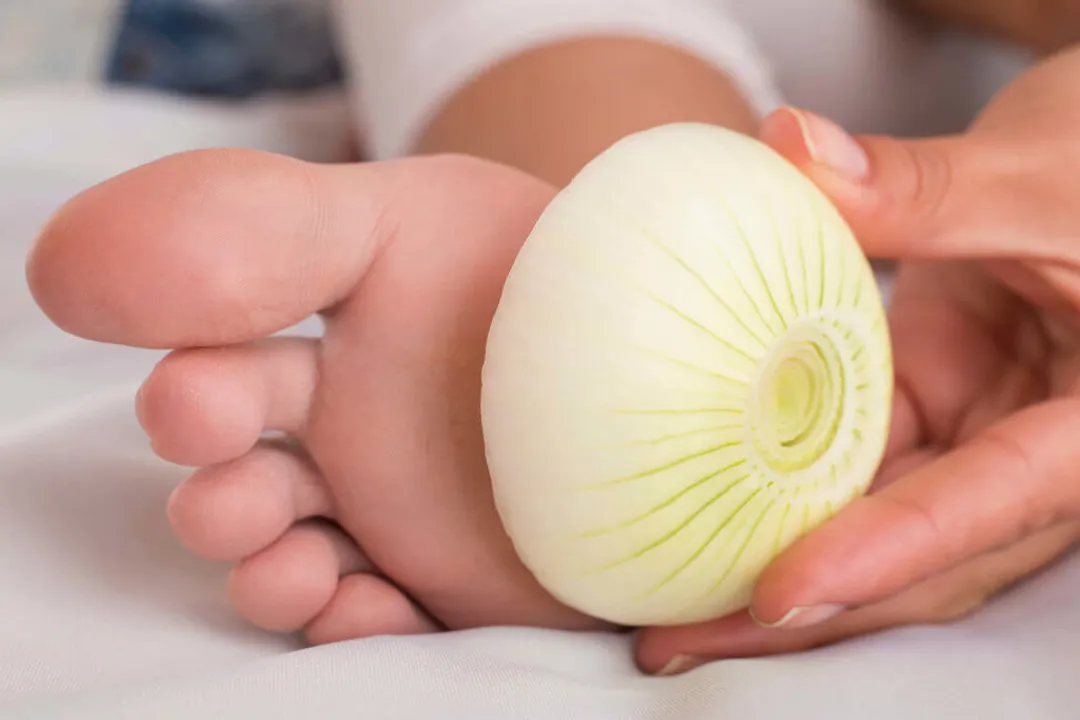
It is important to distinguish between relieving symptoms and fighting the infection itself. While onion water might provide a temporary sensation of clearing the throat or chest, perhaps due to the pungent sulfur vapors or the soothing quality of the liquid, this does not equate to an antimicrobial effect powerful enough to cure a viral infection like the common cold or flu. [1][4] For example, traditional practices sometimes involve placing onions in socks overnight to draw out fever or congestion—a remedy separate from ingestion—but this, too, relies on anecdotal experience rather than clinical proof that it directly attacks the pathogen. [5] The belief that onion water acts as a fast route to eliminating congestion appears to stem more from the experience of symptomatic relief than from verified eradication of the pathogen. [9]

# Science Versus Anecdote
When examining the scientific literature specifically regarding onion water as a cure for infections, the evidence tends to fall short of medical endorsement. [1] While research strongly supports the nutritional benefits of consuming whole onions—linking them to better heart health and blood sugar management due to their general nutritional profile [8]—there is a distinct lack of randomized, controlled studies confirming that drinking the infused water can actively destroy or neutralize circulating viruses or bacteria causing respiratory illness. [2][4]
Onions contain compounds with known anti-inflammatory and antioxidant effects, which generally support a healthy immune response. [4] A well-supported immune system is certainly better equipped to manage an infection, but this is an indirect benefit. The excitement surrounding onion water often stems from personal testimonials where people report feeling better after drinking it, a common phenomenon with many home remedies where the act of self-care, combined with the body naturally recovering, leads to perceived success. [1] Physicians often note that while onions are healthy additions to the diet, patients should not substitute them for proven medical treatments for serious infections. [4]
# Preparing the Remedy
The method for preparing this traditional remedy is usually quite simple. Typically, it involves slicing or roughly chopping a raw onion—often red or yellow varieties—and submerging the pieces in water, allowing them to steep for several hours or overnight at room temperature. [6] The resulting liquid is then consumed throughout the day. [1]
For those experimenting with this preparation method based on online suggestions, paying attention to the specifics of how the compounds are extracted might be beneficial. While many instructions simply say to use room temperature water, one might reasonably consider whether warmer water, just shy of boiling temperature, might leach more of the beneficial, volatile sulfur compounds out of the onion flesh and into the water more rapidly than simple cold infusion. However, excessive heat could also denature some of the delicate phytochemicals, potentially reducing their antioxidant impact, suggesting that the exact optimal temperature remains an area for personal experimentation rather than proven fact. [1][4]

# Immunity Support
Shifting the focus from a quick cure to sustained immune maintenance provides a more grounded perspective on onion water. Including nutritious foods like onions regularly in one's diet contributes essential micronutrients and antioxidants that bolster the body’s overall defense mechanisms. [2][8] The general anti-inflammatory action provided by compounds like quercetin can help reduce chronic system stress, which is generally beneficial for long-term health and resilience against illness. [4]
If the goal is to harness the benefits of onion’s raw, powerful components, an alternative consideration is the direct consumption of raw onions, perhaps chopped finely into a salad or mixed with a bit of olive oil and vinegar for a basic vinaigrette. While this certainly carries a much stronger flavor profile than the mild, infused water, consuming the raw vegetable means ingesting the full spectrum of its beneficial compounds, including the flavonols, in a potentially more bioavailable form before they are diluted or altered through steeping. [8] This direct approach might yield greater nutritional impact than relying solely on the water alone, treating the onion as a whole food supplement rather than just a flavor infusion. [2] Ultimately, onion water remains a low-risk, traditional beverage that might offer minor symptomatic relief for colds due to its mild expectorant qualities, but it functions best as a complement to a healthy diet rather than a standalone prescription against infection. [3][4]
Related Questions
#Citations
Can Onion Water Relieve Your Cold Symptoms? The Truth About ...
Is the Onion Water TikTok Trend Going to Keep You From Getting ...
Your patients are drinking onion water: Here's why - MDLinx
Can Onion Water Cure Colds or Flu? - INTEGRIS Health
Onion in Sock: Cold and Flu Treatment - Healthline
Onion Water as a Natural Cold Remedy: Does It Work? - Today Show
Onions & Flu - National Onion Association
Onions: Health Benefits and Nutrition - WebMD
Onion: Fastest Way to Eliminate Throat and Chest Congestion