What is the concern when Burdock root's mild anti-platelet characteristics interact with prescription anticoagulants?
Answer
Increased risk of bruising or bleeding
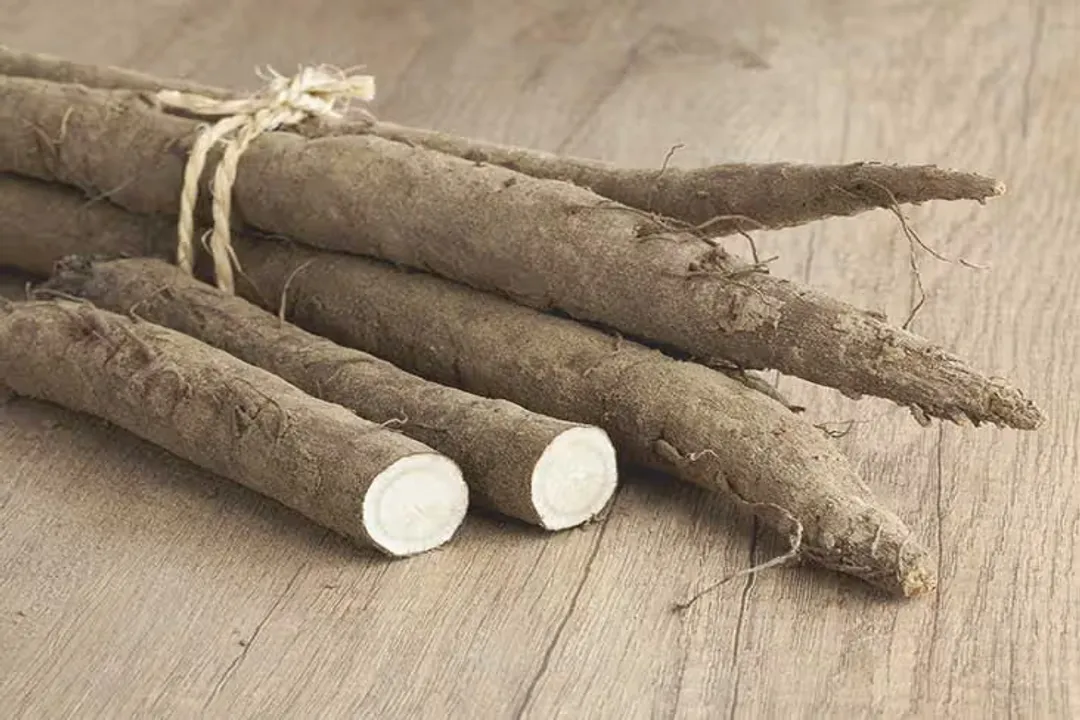
Burdock root is noted for exhibiting mild characteristics that influence blood fluidity, specifically possessing anti-platelet or blood-thinning properties. This effect is problematic when an individual is already taking prescription anticoagulants, commonly known as blood thinners. The combination of the two substances, both aiming to reduce clotting tendencies, can theoretically amplify this effect too far. The resultant risk is an increased susceptibility to minor injuries causing excessive bruising or, more seriously, internal or external bleeding events that might be prolonged.
Related Questions
To which botanical family does Burdock root belong, posing risks of cross-reactivity allergies?What mild digestive effects might Burdock root exhibit, particularly when taken in concentrated forms?What specific metabolic risk arises when combining Burdock root with medications designed to manage blood sugar?What cardiovascular complication might result from combining Burdock root with prescribed antihypertensive medications?What is the concern when Burdock root's mild anti-platelet characteristics interact with prescription anticoagulants?What is the standard advisory regarding Burdock root consumption for pregnant women and those who are breastfeeding?What environmental contaminant poses the primary risk when Burdock root is harvested from soil near industrial areas or busy roadways?What preparation pitfall associated with home preparation or foraging can lead to accidental poisoning when dealing with Burdock root?Based on the risk categorization table, which adverse effect is categorized in a lower risk group compared to physiological interactions with chronic medications?What specific step can consumers take to mitigate the environmental risk of heavy metal accumulation when buying commercially prepared Burdock root products?