What are the disadvantages of burdock root?
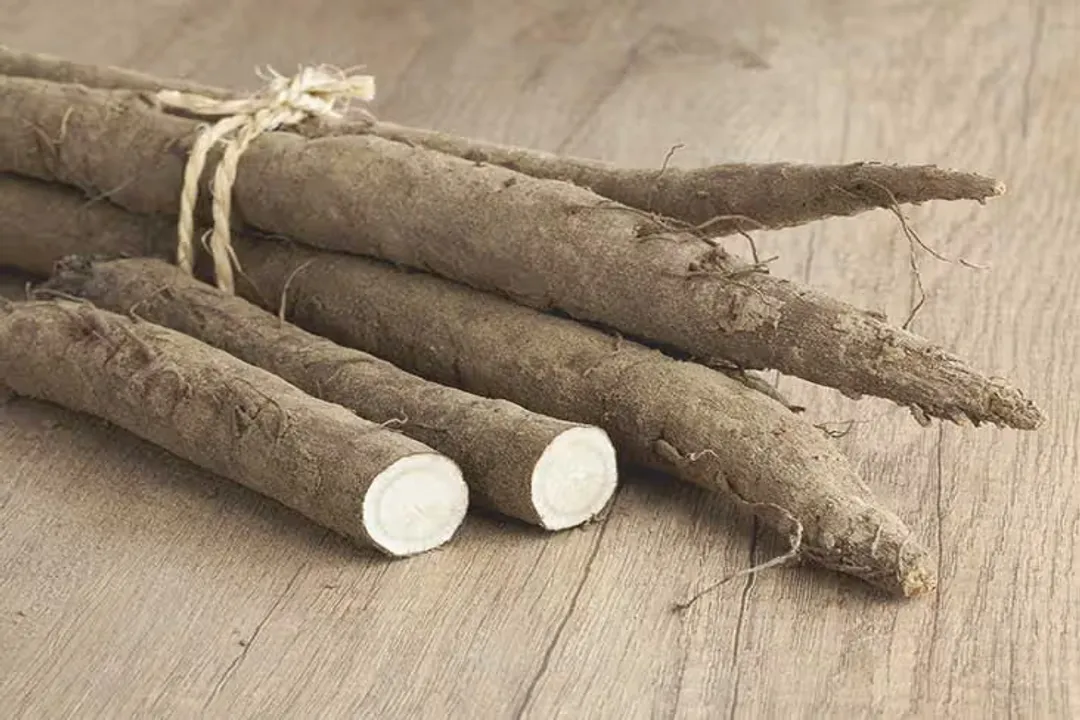
Burdock root has gained considerable traction in wellness circles, lauded for its traditional uses ranging from promoting skin health to supporting detoxification pathways. However, as with any potent botanical agent, moving toward regular consumption requires a candid look at its potential drawbacks. Simply focusing on the benefits overlooks crucial safety considerations that every user should understand before incorporating this earthy root into their daily routine.
# Allergy Risk
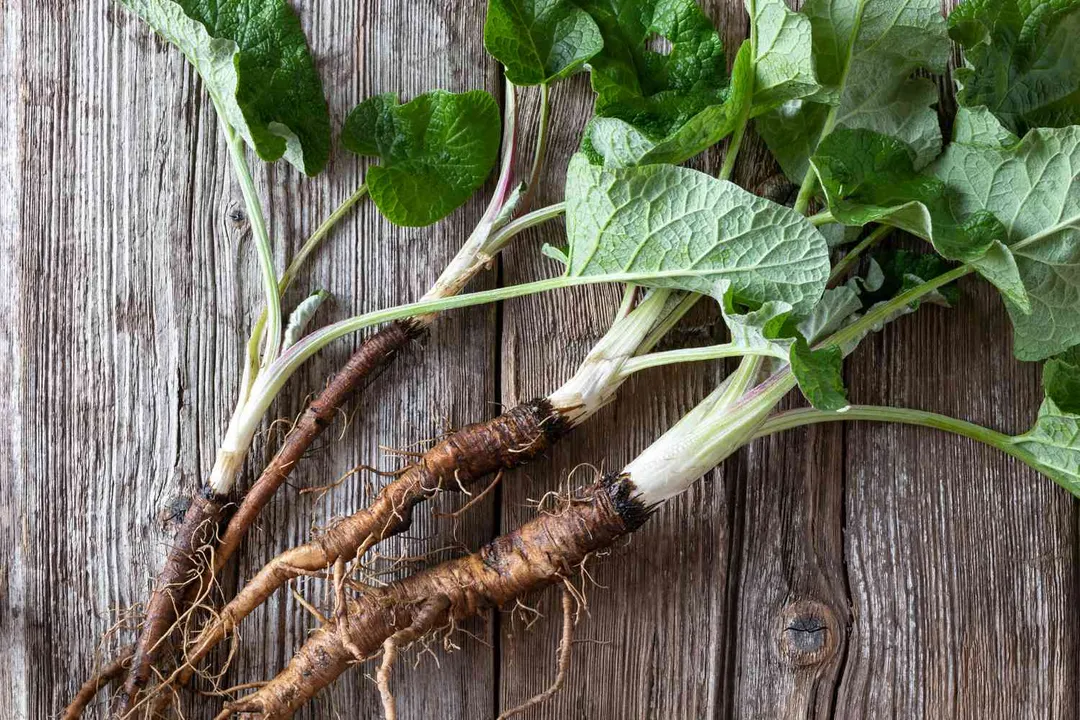
One of the most straightforward disadvantages to consider involves potential allergic reactions. Burdock belongs to the Asteraceae or Compositae family of plants. [1][3][8] If you have known sensitivities or allergies to common members of this family—such as ragweed, chrysanthemums, marigolds, or daisies—you should exercise extreme caution or avoid burdock root entirely. [1][3][8] Cross-reactivity is a real concern, meaning that an immune system primed to react to one plant in that group might easily mistake burdock compounds for an allergen. [3] Even if you have never experienced an issue with these plants before, introducing burdock can sometimes reveal a previously unknown sensitivity.
# Digestive Upset
For many individuals, the initial experience with burdock, particularly when taken in high doses or concentrated forms like teas or tinctures, involves the digestive system. Burdock can sometimes act as a mild laxative or diuretic. [1] While some people might view increased urination or bowel movements as a sign of "cleansing," it can manifest as unwelcome stomach upset or diarrhea for others. [1][2][4] If you are beginning to use burdock, starting with a very small amount allows you to gauge how your gut reacts before increasing intake. A sudden introduction of a fiber-rich, potent root extract can easily overload a sensitive digestive tract. [4]
# Medication Conflicts
The biological activity that makes burdock appealing for certain health goals is precisely what creates caution when combined with prescription drugs. Burdock appears to possess properties that can affect several key physiological processes, necessitating a discussion with a healthcare provider if you take regular medications. [1][4]
# Blood Sugar Changes
Burdock may have the effect of lowering blood sugar levels. [1][3] This is an important consideration for anyone managing diabetes or hypoglycemia. If you are already taking medications designed to keep your blood sugar stable, adding burdock root could potentially cause levels to drop too low, leading to adverse effects associated with hypoglycemia. [1][3]
# Blood Pressure Effects
Similarly, there is evidence suggesting burdock might contribute to lower blood pressure. [1][3] Individuals already prescribed antihypertensive medications must be careful, as the combined effect could lead to hypotension, causing dizziness or fainting. [1]
# Blood Thinning
Another area of concern relates to its mild effect on blood fluidity. Burdock may exhibit mild anti-platelet or blood-thinning characteristics. [1][3] When combined with prescription blood thinners (anticoagulants), this could theoretically increase the risk of bruising or bleeding. [1][3]
When assessing these interactions, it is helpful to categorize the risk profile. While mild digestive issues are usually temporary and dose-dependent, the effects on blood sugar and blood pressure involve systemic regulation that prescription drugs tightly control. A general guideline might place common, mild side effects (like temporary stomach unease) in a lower risk category compared to physiological interactions with chronic disease management medications, which require direct medical oversight. [4]
# Vulnerable Populations
Certain groups of people should avoid burdock root altogether due to a significant lack of safety data regarding their specific circumstances.
# Pregnancy and Nursing
Pregnant women and those who are breastfeeding are universally advised to avoid burdock supplements. [1][3][8] Because there is insufficient reliable information available regarding its safety profile during gestation or while nursing, the standard recommendation is precautionary avoidance. [3][8] The active compounds in the root are not fully understood in the context of fetal or infant development, making any intake a gamble without medical necessity and supervision.
# Children
Children represent another high-caution group. Because the root is potent and its effects on developing systems are not well-researched, it is generally not recommended for pediatric use unless specifically advised by a qualified healthcare professional specializing in herbal medicine. [3]
# Contamination Concerns
Beyond direct physiological side effects, consuming burdock root carries a distinct risk related to where it is grown and harvested. Burdock is known for its ability to absorb substances from its environment, which is an advantage when aiming for nutritional uptake but a serious disadvantage when the soil is contaminated. [6]
The primary concern here is heavy metal accumulation. [6] If the root is collected from soil near industrial areas, busy roadways, or agricultural land treated with certain chemicals, it can accumulate heavy metals like cadmium or lead in its tissues. [6] Consuming contaminated burdock root over time can lead to heavy metal toxicity, a serious condition that has nothing to do with the root's inherent medicinal properties but everything to do with its environmental location.
For those looking to use burdock therapeutically, the sourcing method becomes a major factor influencing safety. If you are purchasing commercially prepared extracts or teas, one way to mitigate this risk—though not a guarantee—is to look for products that specify third-party testing for contaminants or that clearly state the origin of their raw materials, perhaps favoring suppliers who exclusively use organically certified farms located away from known pollution sources. [6] Relying on products that lack transparency regarding sourcing is akin to rolling the dice on soil quality.
# Preparation Pitfalls
If you are preparing burdock root yourself, perhaps by foraging or using raw root purchased from a local market, another layer of disadvantage emerges: preparation and identification mistakes. Incorrectly identifying the root can lead to accidental ingestion of poisonous look-alikes, a danger common to many wild-harvested botanicals. [6] Furthermore, even if correctly identified, improper cleaning or preparation—especially when using dried materials—can introduce unwanted bacteria or mold. [6] This highlights a difference between standardized commercial supplements, which undergo processing controls, and home preparation, which relies heavily on user expertise.

# Summary of Cautionary Use
To synthesize the potential downsides, consumers should view burdock not as a benign tea but as a functional herb with clear contraindications.
| Risk Category | Potential Effect | Urgency of Consultation |
|---|---|---|
| Allergy | Rash, itching, respiratory distress (if sensitive to ragweed) | High if prior allergies exist |
| Digestive | Diarrhea, stomach upset | Low to Moderate (Dose dependent) |
| Metabolic | Lowered blood sugar or blood pressure | High (If on related medications) |
| Environmental | Heavy metal poisoning | Moderate (If sourcing is unknown/unverified) |
If you intend to use burdock root for an extended period, such as several weeks or months, regularly checking in with your primary care provider becomes vital, especially if you notice any sustained changes in energy, digestion, or circulation. [1] This proactive approach ensures that the benefits you seek from the root are not overshadowed by unintended medical consequences resulting from overlooked interactions or environmental exposure.
Related Questions
#Citations
Burdock - Uses, Side Effects, and More - WebMD
Burdock Root: Benefits, Side Effects, and More - Healthline
Burdock: Everything You Need to Know - Verywell Health
A review of the pharmacological effects of Arctium lappa (burdock)
Burdock: Health Benefits, Side Effects, Uses, Dose & Precautions
Understanding the Side Effects of Burdock Root Tea - Cymbiotika
Burdock root: Benefits, side effects, and uses - Medical News Today
Burdock Root Tea Benefits and Side Effects - Verywell Fit
Health Benefits of Burdock Root, Uses And Its Side Effects - Lybrate