To which botanical family does Burdock root belong, posing risks of cross-reactivity allergies?
Answer
Asteraceae or Compositae family
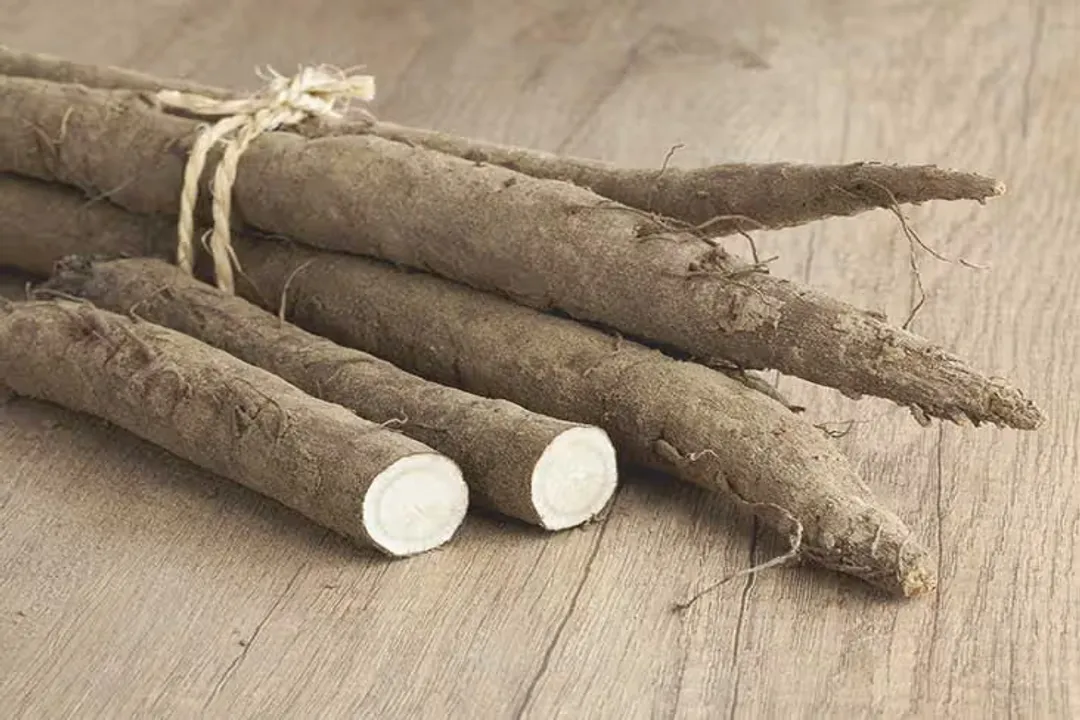
Burdock root is classified within the Asteraceae, also known as the Compositae family of plants. This classification is significant because individuals who already possess known sensitivities or allergies to common members of this group, such as ragweed, chrysanthemums, marigolds, or daisies, face a substantial risk of cross-reactivity. Cross-reactivity occurs when the immune system, already primed to recognize an allergen from one plant in the family, mistakenly identifies similar compounds found in burdock root as the known threat, triggering an allergic response even if the person had never reacted to burdock specifically before.
Related Questions
To which botanical family does Burdock root belong, posing risks of cross-reactivity allergies?What mild digestive effects might Burdock root exhibit, particularly when taken in concentrated forms?What specific metabolic risk arises when combining Burdock root with medications designed to manage blood sugar?What cardiovascular complication might result from combining Burdock root with prescribed antihypertensive medications?What is the concern when Burdock root's mild anti-platelet characteristics interact with prescription anticoagulants?What is the standard advisory regarding Burdock root consumption for pregnant women and those who are breastfeeding?What environmental contaminant poses the primary risk when Burdock root is harvested from soil near industrial areas or busy roadways?What preparation pitfall associated with home preparation or foraging can lead to accidental poisoning when dealing with Burdock root?Based on the risk categorization table, which adverse effect is categorized in a lower risk group compared to physiological interactions with chronic medications?What specific step can consumers take to mitigate the environmental risk of heavy metal accumulation when buying commercially prepared Burdock root products?