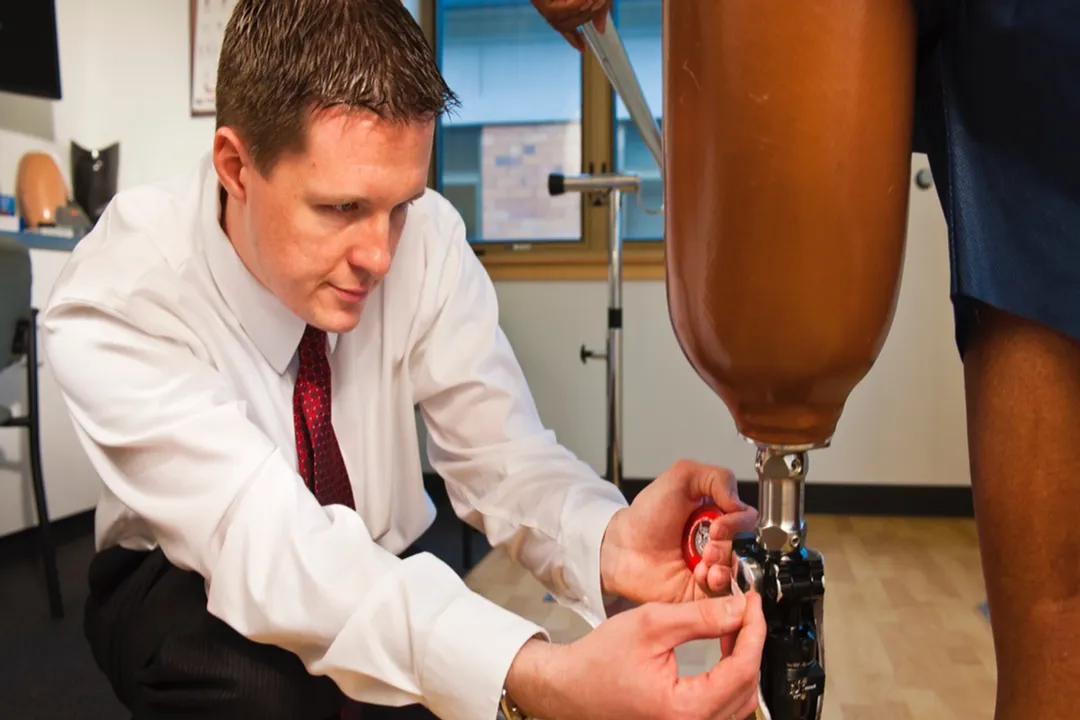
What advantage does a Biomedical Engineering degree specifically offer for roles in prosthetic R&D?
Better preparation for roles involving sophisticated sensor integration or advanced material testing
While Mechanical Engineering provides a strong foundation for general device design, a degree in Biomedical Engineering offers a distinct overlap with biological systems that can be highly beneficial in advanced research and development positions within the prosthetics industry. This specific application of engineering principles to biological systems better prepares graduates for cutting-edge work that often requires interfacing engineered components directly with the patient's nervous system or musculature. Consequently, those with this background may find themselves better suited or prepared for roles that specifically involve integrating sophisticated sensor technologies into limbs or conducting specialized testing on advanced, biocompatible materials.