Why are cucumbers a superfood?

The cucumber, often relegated to the side of the salad plate or simply associated with spa treatments and cooling slices over the eyes, rarely gets the credit it deserves in the produce aisle. It’s easy to dismiss this green gourd as mostly water, yet beneath its crisp texture lies a collection of compounds and a hydration profile that pushes it firmly into superfood territory for health-conscious eaters. When we look beyond its sheer volume of water, we find meaningful micronutrients, potent antioxidants, and a surprising ally for internal maintenance, all wrapped up in a remarkably low-calorie package.
# Hydration Base
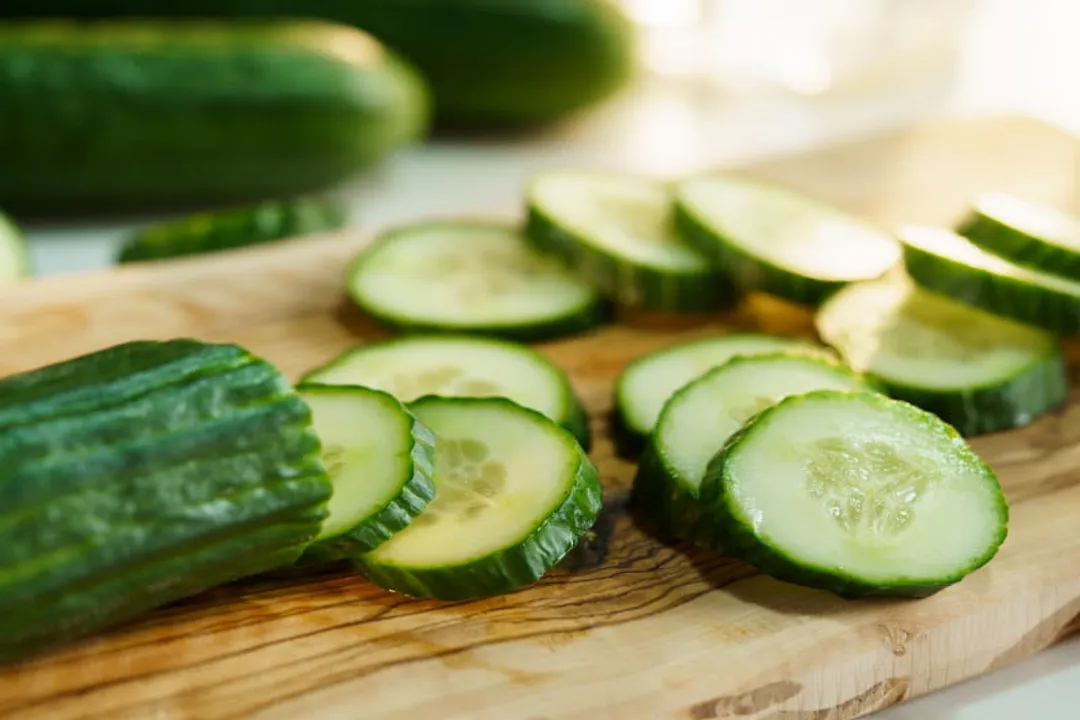
The most immediately obvious benefit of the cucumber is its spectacular water content, often cited as being around 95% or 96% water. This fact alone makes it an exceptional choice for maintaining fluid balance throughout the day, especially when dealing with warmer weather or increased physical activity. While drinking plain water is essential, consuming water-rich foods like cucumbers contributes significantly to daily fluid intake in a flavorful, textural way. This high water ratio also contributes to satiety, meaning you feel fuller consuming fewer calories, which is a key component in managing weight. Thinking about your fluid needs not just in milliliters but also in grams of food intake can offer a clearer picture; for instance, consuming a large serving of cucumber provides a substantial water boost without adding significant volume to your stomach that might feel heavy.
# Nutrient Profile
Despite its reputation as a watery filler, the cucumber carries a respectable nutritional payload, particularly when considering its low caloric impact—often just around 15 calories per cup. This high nutrient-to-calorie ratio is a hallmark of truly effective superfoods. Key vitamins present include a good dose of Vitamin K, which is vital for blood clotting and bone health. Furthermore, cucumbers supply amounts of Vitamin C, various B vitamins, potassium, and manganese.
The distribution of these nutrients is worth noting. Many essential compounds, including fiber and a good portion of the vitamins, are concentrated in the skin. For example, the majority of the Vitamin K resides in that thin outer layer. A practical consideration here is that while peeling removes potential waxes or surface residues, it sacrifices tangible nutritional density. If you choose to eat the skin—and you should, provided you wash it thoroughly—you are maximizing the vitamin and fiber harvest from the vegetable.

# Antioxidant Defense
The body constantly manages oxidative stress, and incorporating foods rich in antioxidants is a dietary strategy to support this natural process. Cucumbers host several important protective compounds, including beta-carotene and specific flavonoids. One notable flavonoid found within them is lutein, which is recognized for its beneficial effects on both eye and cardiovascular health. While cucumbers may not top the charts for Vitamin C compared to citrus fruits, the synergy of these various phytochemicals offers a consistent, mild boost to the body’s defense system when consumed regularly.
# Digestive Wellness
The combination of high water volume and dietary fiber positions the cucumber as a gentle yet effective aid for the digestive tract. Fiber, abundant in the peel and seeds, adds necessary bulk to stool, which is critical for promoting regular bowel movements and preventing constipation. Furthermore, the high water content works in tandem with the fiber, ensuring that the digestive transit process remains smooth and hydrated. This support system contributes to overall gut comfort and efficiency. For individuals aiming to stabilize their blood sugar, cucumbers present a favorable profile; they have a very low glycemic index, and the presence of fiber helps to moderate the absorption of sugars into the bloodstream.

# Heart Health Support
For cardiovascular maintenance, the cucumber offers a modest but helpful contribution, primarily through its mineral content. The presence of potassium is significant here, as this mineral is well-known for its role in helping to regulate blood pressure by counteracting the effects of sodium. Coupled with the potential cardiovascular benefits linked to lutein, regular inclusion of cucumbers supports the body's efforts to maintain healthy circulation and blood pressure balance.
# External Benefits and Practical Application
The advantages of cucumbers aren't strictly limited to what happens after you eat them. Their cooling, high-water profile makes them a traditional topical aid. Applying cucumber slices or pulp to the skin is a classic way to soothe irritated areas, often used to calm skin after sun exposure or reduce puffiness around the eyes, likely due to their cooling effect and moisture content.
When thinking about integrating cucumbers into a daily diet for maximum benefit, consider this comparison: a standard cucumber (about 114 grams) might contain just 18 calories, but peeling it removes a significant portion of its fiber and Vitamin K content. If you are currently drinking two liters of water daily, replacing one glass with two thick slices of cucumber offers a flavorful hydration boost alongside a small dose of Vitamin K and fiber, effectively turning hydration into nutrition without adding significant caloric load. This nuanced approach, appreciating both the water and the nutrients, is how a seemingly simple vegetable earns its esteemed status.

# Sourcing and Preparation Nuances
Choosing how you eat your cucumber is almost as important as choosing to eat one, especially given modern agricultural practices. The sources point out that conventional cucumbers can sometimes register high on lists for pesticide residue. This observation makes the choice of variety and sourcing particularly relevant to the "superfood" designation. A food cannot be optimally healthy if it carries a high chemical load, thus putting a premium on organic or locally sourced options where you can verify growing methods becomes an extension of nutritional awareness.
If sourcing dictates that you must rely on waxed, conventionally grown produce, consuming the peeled variety becomes a safer bet to minimize external residue, even if it means sacrificing some fiber. However, if you have access to farmer's market or homegrown varieties, the unpeeled preparation, including the edible seeds, is the clear winner for nutritional completeness.
Another subtle aspect relates to variety. Many people favor the English cucumber—longer, thinner-skinned, and often seedless—because it requires less prep work. While convenient, this often means a different textural experience and potentially fewer seeds (which contain nutrients) compared to the traditional slicing cucumber, which has a thicker skin and more pronounced internal structure. Understanding these small differences allows a consumer to tailor their choice to their health priorities, be it convenience or maximum nutrient capture. For example, adding just a quarter cup of chopped, unpeeled cucumber to a morning smoothie is an incredibly efficient way to introduce hydration, Vitamin K, and antioxidants before you even leave the house, turning a standard routine into a strategic health measure.
# Essential Micronutrients
To truly appreciate the "superfood" status, we should look at the specific micronutrients a cucumber delivers, keeping in mind that these are best provided when the skin is left intact.
| Nutrient | Primary Role | Source Location Note |
|---|---|---|
| Vitamin K | Blood Clotting, Bone Strength | Highly concentrated in the peel |
| Potassium | Blood Pressure Regulation | Contributes to heart health |
| Manganese | Enzyme Cofactor | Trace mineral support |
| Lutein | Eye and Heart Health | A key flavonoid antioxidant |
The presence of manganese is particularly interesting; it’s necessary for numerous bodily functions, including metabolism and bone development, making the cucumber a multifaceted contributor to internal upkeep. Furthermore, the very structure of the cucumber—cool, crisp, and hydrating—makes it an ideal vehicle for consuming other healthy additions. Imagine a cucumber boat filled with hummus or Greek yogurt; the cucumber provides the base hydration and texture, while the topping delivers protein or healthy fats, creating a nutritionally superior snack that avoids processed alternatives.
By recognizing the cucumber not just as a watery vegetable but as a low-calorie source of essential Vitamin K, hydration, and antioxidants like lutein, its designation as a superfood becomes entirely defensible. It’s a consistent, dependable addition to any diet focused on hydration and basic mineral intake.
Related Questions
#Citations
6 Health Benefits of Eating Cucumber - Healthline
Why Cucumbers Are Good for You - WebMD
Why Cucumber Is a Legitimate Super Food - Men's Health
Cucumbers are trendy, but how healthy are they?
5 health benefits of cucumber - BBC Good Food
Are Cucumbers Good for You? Discover 20 Science-Backed Health ...
Are Cucumbers Good for You? - Cleveland Clinic Health Essentials
Cucumbers: Health benefits, nutritional content, and uses
[PDF] Cucumber Nutritional Information - INGENAES