Why do I have a low tolerance for salt?

That sudden, uncomfortable puffiness or the feeling that your body is holding onto water after eating out can sometimes lead people to say they have a "low tolerance for salt." This feeling of being negatively affected by sodium intake is quite common, but the term can actually point toward two very different physiological situations. On one hand, it might mean you are salt-sensitive—your blood pressure reacts strongly to consuming too much sodium. [1][3] On the other hand, it could be a sign that your body is struggling with too little sodium, leading to deficiency symptoms or, in severe cases, hyponatremia. [7][8] Understanding which scenario applies to you is key to managing your diet and overall health.
# Sensitivity Defined

When most health discussions focus on salt, the primary concern is usually avoiding too much, which is linked to hypertension. [6][7] Salt sensitivity is a specific phenomenon where consuming dietary sodium leads to a significant increase in blood pressure for certain individuals. [3] It is not merely feeling bloated; it is a measurable physiological response involving the cardiovascular system. [1] It’s important to distinguish this from simply having high blood pressure; salt sensitivity describes how your blood pressure responds to sodium intake changes. [6]
For the general population, the recommended daily limit for sodium intake is typically less than $2,300$ milligrams for most adults. [7] However, for a salt-sensitive person, the impact of consuming even a slightly higher amount can be disproportionate compared to someone who is salt-resistant. [1][2] While one person might eat a high-sodium meal and feel fine, the salt-sensitive individual might experience a measurable rise in their blood pressure shortly thereafter. [6]
# Who Reacts

The trait of salt sensitivity isn't equally distributed across the population. Studies suggest that roughly one in four people diagnosed with hypertension are considered salt sensitive. [6] If we look at those with normal blood pressure, about one in ten might still fall into the salt-sensitive category. [6]
Several demographic and physical factors appear to correlate with this sensitivity. Age, race, and obesity are frequently cited as common contributing factors to whether someone’s blood pressure will spike in response to higher sodium levels. [1][3][6] For instance, certain racial groups tend to show a higher prevalence of salt sensitivity compared to others. [2][3] Furthermore, as people age, their vascular system can sometimes become less adaptable to sodium fluctuations, potentially leading to increased sensitivity. [1] Genetic predisposition is also strongly suspected as a major underlying cause. [5]
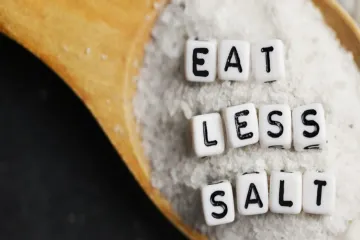
# Body's Reaction

Beyond the measurable changes in blood pressure, the immediate feeling people associate with a "low tolerance" often relates to fluid retention. When you consume a large amount of sodium, your body needs water to dilute the increased concentration of sodium in your bloodstream. [1] This water retention can manifest as noticeable swelling, particularly in the hands, feet, or around the face, often described as feeling puffy or bloated. [1] While this water weight gain is usually temporary and resolves as the kidneys excrete the excess sodium and water, it is an immediate and uncomfortable signal that your system is struggling to process that level of sodium at that moment. [1]
If you suspect you are sensitive, observing these physical signs alongside monitoring your blood pressure after known high-sodium meals could offer strong evidence. Think of your body having a Daily Sodium Reaction Threshold. For a salt-resistant person, this threshold might be quite high—they can handle sodium above the general recommendation without an immediate or significant BP spike. For you, if you are sensitive, that threshold might be lower, meaning that even a seemingly moderate salty meal pushes you over an internal line where your body initiates a strong fluid regulation or vascular response. [1][3] Recognizing this personal threshold is more useful than strictly adhering to a population-wide average if your body clearly signals distress.
# Low Sodium States
Now, consider the other interpretation of "low tolerance": what if the problem isn't too much salt, but too little? The body requires sodium to function properly; it's a critical electrolyte essential for nerve impulses, muscle function, and maintaining proper fluid balance outside of cells. [4] When sodium levels in the blood drop too low, the condition is called hyponatremia. [9] This can happen if you drastically cut salt intake without adjusting for activity levels, or through other medical causes. [4][7]
While excessive salt intake is linked to high blood pressure, inadequate sodium intake can lead to its own set of serious problems. [7] For very active individuals, like endurance athletes, significant sodium loss through sweat can predispose them to low sodium states if they only replenish with plain water, effectively diluting their existing sodium stores. [9]

# Deficiency Signs
The signs that you might be experiencing too little sodium are quite different from the signs of salt sensitivity. If your body isn't getting enough sodium, you might start noticing general feelings of malaise. [8] Common indicators of a sodium deficiency that should prompt a look at your recent intake include:
- Persistent fatigue or general weakness. [8]
- Sudden, unexplained headaches. [8]
- Feelings of nausea or even vomiting. [8][9]
- Muscle cramps or spasms, particularly after activity. [8]
- Dizziness or lightheadedness, especially when standing up quickly. [8]
In cases of hyponatremia, which is a more severe state of low blood sodium, symptoms can escalate beyond mild discomfort. They can include confusion, irritability, restlessness, and, in the most serious scenarios, seizures or coma. [9] The severity often correlates with how rapidly the sodium level dropped. [9]
# Balancing Acts
If your issue is true salt sensitivity, the focus must be on moderation and consistency, aiming to stay closer to the $2,300$ mg recommendation or whatever level keeps your blood pressure stable, as advised by your healthcare provider. [6][7] It is also vital to ensure you are balancing your sodium intake with other key electrolytes, most notably potassium and magnesium. [4] Potassium, found abundantly in fruits and vegetables, helps counteract the blood pressure-raising effects of sodium. [4]
If you suspect your low tolerance is due to sodium loss (perhaps due to heavy sweating or diarrhea), the solution is replenishment, not restriction. [9] When replenishing sodium post-activity, it is rarely enough to simply grab a handful of pretzels. For active people losing significant amounts of sodium through sweat, a tailored approach is best. Instead of chasing official limits, consider what your activity level demands. If you are sweating heavily for over an hour, you need an electrolyte drink that contains sodium to replace losses, but it should also contain some potassium and magnesium to maintain overall balance. [4]
Here is a practical tip for managing recovery: for every $500$ mg of sodium you estimate losing during intense activity, aim to replace about $100$ to $200$ mg of that with potassium-rich foods or beverages shortly after. For instance, if you know your long run required $1,500$ mg of sodium replacement, balance it with a significant source of potassium like a banana or a glass of coconut water (which is naturally high in potassium) alongside your salted recovery snack. This addresses the electrolyte ratios your body actually needs, rather than just focusing on one mineral in isolation. [4]
Ultimately, whether your body signals trouble due to an overload or a deficit, the underlying principle remains the same: listen to your body's unique feedback. [1] If high sodium consistently brings on fluid retention and discomfort, that is your signal to reduce intake. If low sodium brings on fatigue and cramps, that is your signal to increase it thoughtfully. Consulting with a medical professional to determine your sensitivity status through clinical testing is the most reliable way to sort out whether your "low tolerance" stems from sensitivity or deficiency, guiding you toward the appropriate dietary adjustment. [6]
Related Questions
#Citations
Salt sensitivity: Symptoms, causes, and preventing hypertension
The biopsychology of salt hunger and sodium deficiency - PMC
What is salt sensitivity? - GB HealthWatch
Sodium restriction and insulin resistance: A review of 23 clinical trials
The Problem of Salt Sensitivity - Microsalt
Salt sensitivity: Sorting out the science - Harvard Health
Sodium: How to tame your salt habit - Mayo Clinic
7 Hidden Signs of a Sodium Deficiency You Shouldn't Ignore
Hyponatremia: Causes, Symptoms, Diagnosis & Treatment