Can you build a tolerance to salt?
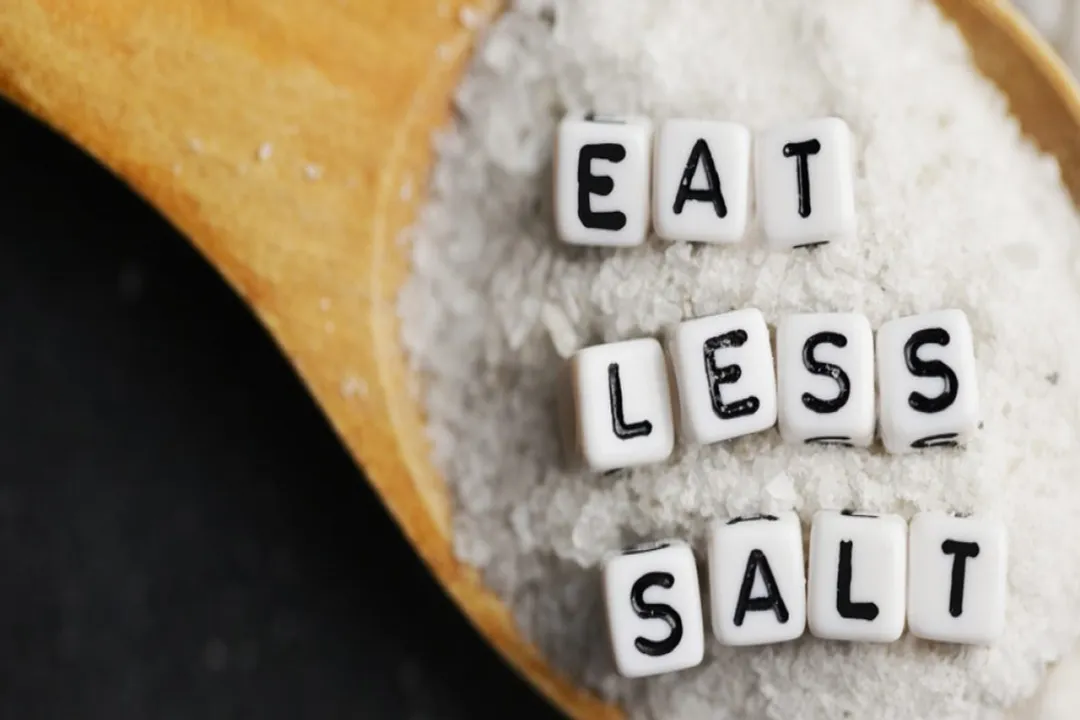
The way we perceive saltiness, and indeed our body's reaction to it, is far more flexible than many people realize. While the term "tolerance" might imply a single, fixed mechanism, the reality involves both learned taste habits and physiological adaptations to sodium levels in the diet. For instance, when someone consistently consumes a diet very high in sodium, their palate adjusts to require that higher level to perceive food as adequately seasoned. [2][5]
# Taste Habituation
The most immediately noticeable change people experience regarding salt involves their sense of taste. When you dramatically cut back on dietary salt, the foods you once considered perfectly seasoned can suddenly taste overwhelmingly salty. [4][6] This isn't a failure of your taste buds; rather, it's your brain recalibrating what it considers the standard flavor profile for saltiness.
This process is often described as "learning to love salt less". [6] If you regularly eat highly processed snacks or meals prepared outside the home, your baseline is likely elevated. When you start cooking at home and consciously reduce the added salt, you might initially find meals bland. However, after a period of reduced exposure—sometimes just a couple of weeks—that lower level of sodium begins to taste perfectly savory, and previously normal foods might start tasting aggressively salted. [4] If you are attempting this shift, consider keeping a food journal for the first week where you rate the saltiness of familiar convenience foods, then track how your homemade, lower-sodium meals register. This subjective rating scale can help you see your personal perception moving along the spectrum, establishing a new "normal" baseline for your palate. [4]
# Physiological Response
Beyond taste, there is the physiological aspect of salt, which often revolves around how the body manages blood pressure. This is where the concept of "salt sensitivity" comes into play. [2][8] Salt sensitivity isn't about how much salt you like to eat; it’s about how your blood pressure reacts when you consume varying amounts of sodium. [2]
For some individuals, increased sodium intake leads to a measurable rise in blood pressure, classifying them as salt-sensitive. [8] This sensitivity can be influenced by genetics, age, and whether the individual already has high blood pressure or kidney disease. [2] Conversely, for those deemed "salt-resistant," consuming extra sodium may cause little to no change in blood pressure. [2] Therefore, if someone claims they have "built a tolerance" to salt, they might mean their body has adapted to handle a higher sodium load without immediate, noticeable spikes in blood pressure, or they might simply mean their taste buds have adjusted. [2] The body strives for homeostasis, meaning it has mechanisms in place to manage fluid balance influenced by sodium intake, though these mechanisms have limits. [2]

# Contextual Salt Needs
The idea of building tolerance is heavily contextual, especially when looking at specific health conditions. For instance, in certain autonomic disorders like Postural Orthostatic Tachycardia Syndrome (POTS), physicians often recommend a high-sodium diet, sometimes involving significant daily intake, to help manage symptoms like low blood volume. [1] In these cases, the patient is actively training their body to handle and require higher sodium levels to maintain necessary blood pressure and volume, effectively building a medically supported form of tolerance to what might be considered an excessive amount for the general population. [1]
This stands in contrast to the general public health advice, which focuses on reducing intake to lower the risk of hypertension, as recommended by major health organizations. [9] While the average adult should aim to keep sodium intake below the recommended maximum—often around 2,300 milligrams per day—individuals with specific medical needs operate under different physiological mandates. [9]
When comparing adaptation strategies, the body's response to decreased sodium intake seems more universally acknowledged as an adaptation process than its ability to safely tolerate chronically high intake. Decreased intake reliably leads to taste recalibration, [6] whereas long-term high intake is strongly associated with cardiovascular risk factors for many people. [3][7]
# Managing Sodium Perception
Whether your goal is to eat less salt or simply understand your current relationship with sodium, recognizing that adaptation occurs is key. [6] If you are aiming to lower your intake, relying solely on reducing the shaker won't always work if you are still eating heavily salted processed foods. [4]
A practical approach involves understanding how sodium hides in everyday items. Since sodium is vital for bodily functions, completely eliminating it isn't the goal; rather, it’s about making conscious choices. [9] To keep track during a reduction phase, you might calculate your intake goal. If the upper limit is roughly 2300 mg of sodium, and you aim for three main meals, you are theoretically targeting less than 770 mg per meal to stay comfortably within limits, leaving room for snacks or condiments. Paying close attention to the sodium content of canned goods, bread, and condiments becomes necessary when trying to reset your palate. [4]
To compensate for the flavor loss when cutting back, incorporate robust non-sodium flavor enhancers. Think about acids like lemon or vinegar, which brighten the taste profile, or herbs and spices such as garlic powder, smoked paprika, or fresh herbs like cilantro or basil. [4] These additions can trick the brain into perceiving complexity and satisfaction without relying on sodium alone, aiding the shift in perceived salt tolerance.
It is also important to differentiate between what you taste and what your body needs. Someone who says they "taste salt less than others" might simply have developed a higher taste threshold for sodium, meaning they need more to register the sensation. [5] This is distinct from a physiological issue like hypertension, though the two can be related. A sustained, intentional reduction in sodium intake is the most reliable method for lowering the perception threshold and adjusting the body's baseline expectation for saltiness over time. [6]
Related Questions
#Citations
Has anyone else built up a tolerance to being able to taste salt?
Salt sensitivity: Symptoms, causes, and preventing hypertension
Salt Sensitivity: Causes, Consequences, and Recent Advances
Watch the salt. How to reduce your daily salt intake without ...
Why do I taste salt less than others? For example, whenever ... - Quora
Yes, You CAN Learn to Love Salt Less! - Top Chef Meals
Salt Appetite and Aging - PMC - NIH
What is salt sensitivity? - GB HealthWatch
Sodium: How to tame your salt habit - Mayo Clinic