Why is completely eliminating sodium from the diet not the suggested goal for conscious dietary choices?
Answer
Sodium is vital for necessary bodily functions.
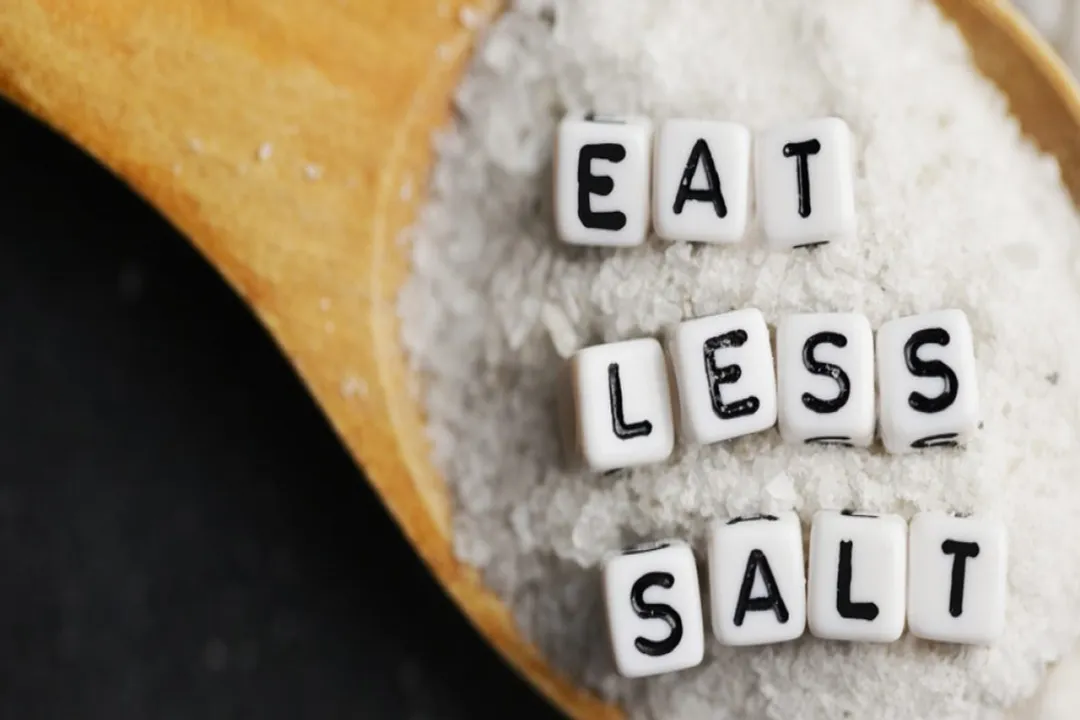
While public health efforts emphasize reducing intake to mitigate risks like hypertension, the complete elimination of sodium from the diet is not the objective because sodium plays an indispensable role in fundamental bodily processes. Sodium is essential for maintaining fluid balance, nerve signaling, and muscle function. The aim of conscious dietary management, therefore, is not abstinence but rather making thoughtful choices to stay within appropriate limits—such as staying under the general maximum of 2,300 milligrams per day for most adults—while ensuring the body receives the necessary amount for critical functions.
Related Questions
What happens to previously seasoned foods when dietary salt is dramatically cut back?What defines an individual as "salt-sensitive" regarding sodium consumption?Which autonomic disorder often recommends a physician-supported high-sodium diet?What is the generally recommended maximum daily sodium intake for the average adult?What non-sodium flavor enhancers are suggested to compensate for flavor loss when cutting salt?What practical tool is suggested for tracking the subjective rating scale during sodium reduction?What does saying one "tastes salt less than others" likely indicate regarding perception?Approximately how long can taste recalibration take when consciously reducing added salt?What is the effect of extra sodium consumption on individuals deemed "salt-resistant"?Why is completely eliminating sodium from the diet not the suggested goal for conscious dietary choices?