If isolation for COVID-19 is ended early (e.g., after five days), what subsequent action is usually required?
Answer
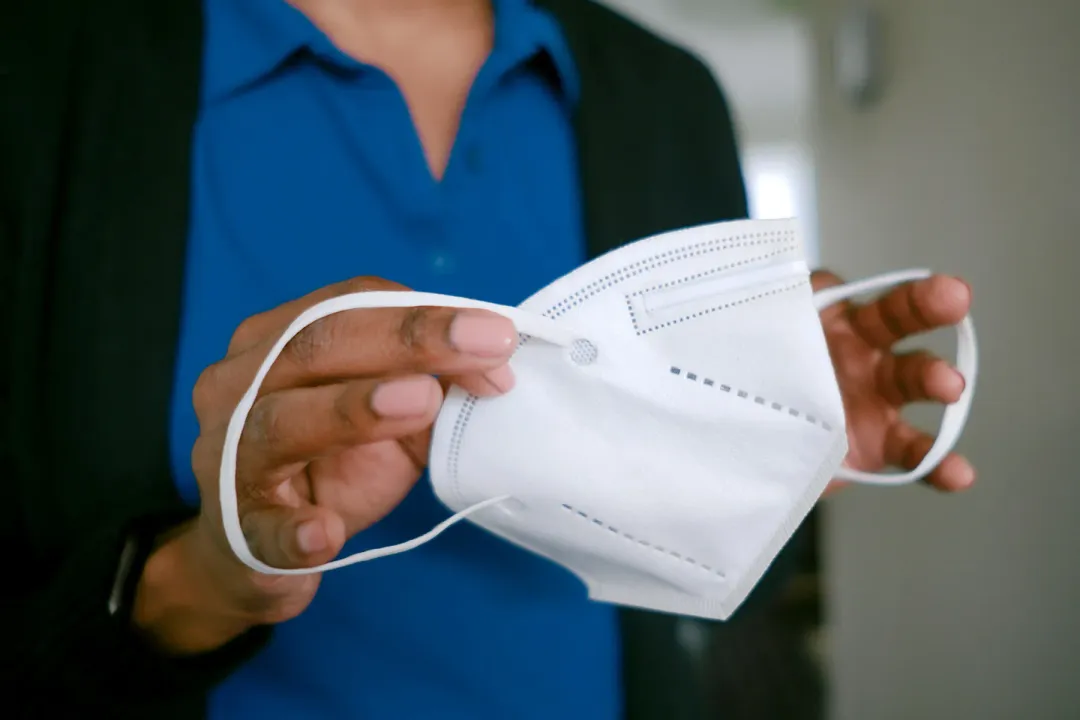
Continuous, diligent masking for an additional five days
Public health guidelines often balance the need for rapid return to normalcy with minimizing residual transmission risk. Current recommendations frequently permit ending isolation after a minimum of five days, provided specific clinical criteria are met, such as the resolution of fever for 24 hours without medication and general symptom improvement. However, because a small possibility of residual viral shedding remains even after meeting the initial criteria, ending isolation early necessitates a compensatory measure: the infected person must commit to continuous and diligent use of a high-quality mask for five additional days when around others.
Related Questions
What defines the COVID-19 incubation period between exposure and symptom onset?What percentage of people develop COVID-19 symptoms within 11.5 days of exposure?When does the infectious period for spreading SARS-CoV-2 generally begin relative to symptom start?When was the initial identification of COVID-19 cases in Wuhan, China, marking the pandemic start?Which factor influences the exact timing of COVID-19 symptom onset for an individual?For mild to moderate COVID-19 cases, how long do active symptoms typically resolve within?If isolation for COVID-19 is ended early (e.g., after five days), what subsequent action is usually required?What symptom became a distinguishing hallmark early in the COVID-19 pandemic?What is the median incubation period for COVID-19 often cited as?What does personalized pacing in the recovery period respect regarding the body's needs?