How does the management of a gastrostomy tube differ for patients requiring lifelong nutritional support?
Answer
It becomes integrated into household routines with an emphasis on independence and self-management
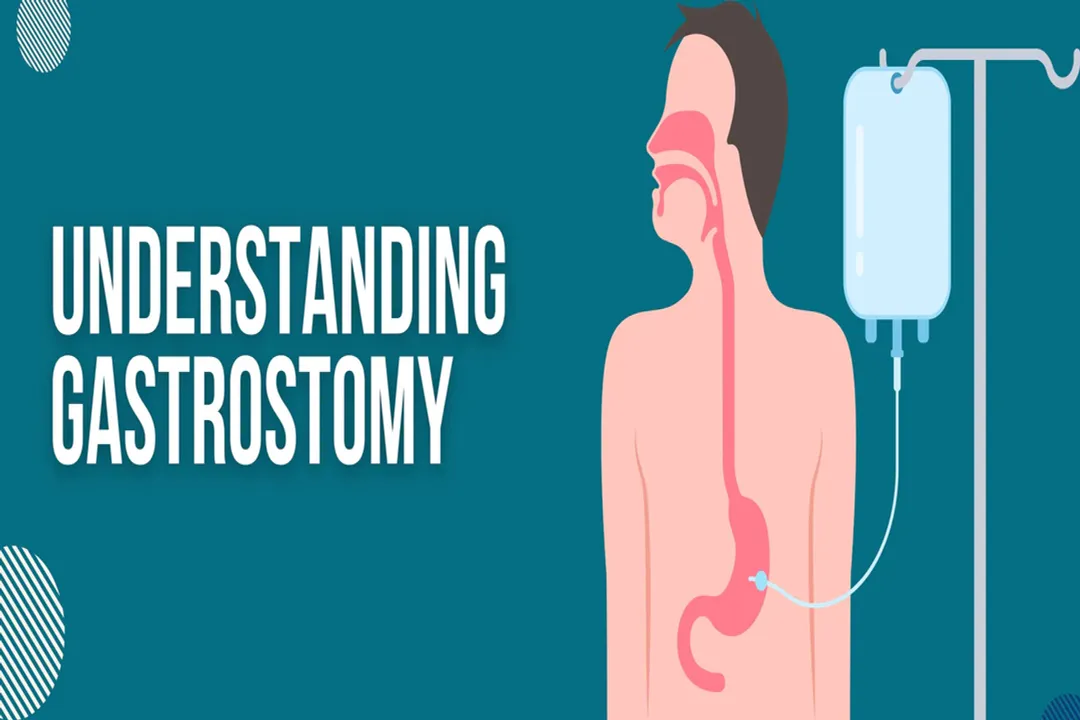
For individuals requiring long-term nutritional support, the care of a gastrostomy tube transitions from a clinical, hospital-based oversight to a component of daily life. The focus shifts toward empowering the patient or caregiver to independently manage feeding schedules, procure supplies, and troubleshoot minor issues. This approach promotes long-term independence and integrates the management of the device into the household, moving away from acute procedure oversight to sustainable, chronic disease management.
Related Questions
What anatomical connection is established by a gastrostomy procedure?In which clinical scenarios is a gastrostomy most commonly required?How does a gastrostomy differ from feeding methods that deliver nutrients to the small intestine?What characterizes the placement of a Percutaneous Endoscopic Gastrostomy or PEG tube?Why is regular inspection of the stoma site essential for long-term gastrostomy patients?What is the primary purpose of routinely flushing a gastrostomy tube with water?What consequence might arise from delivering formula too rapidly through a gastrostomy tube?What is the recommended initial action for clearing a suspected blockage in a gastrostomy tube?Why is immediate medical attention required when a recently placed gastrostomy tube becomes dislodged?How does the management of a gastrostomy tube differ for patients requiring lifelong nutritional support?