How does naloxone chemically interact with opioid receptors during an overdose?
Answer
It acts as a competitive blocker, kicking the opioid molecules off the receptors.
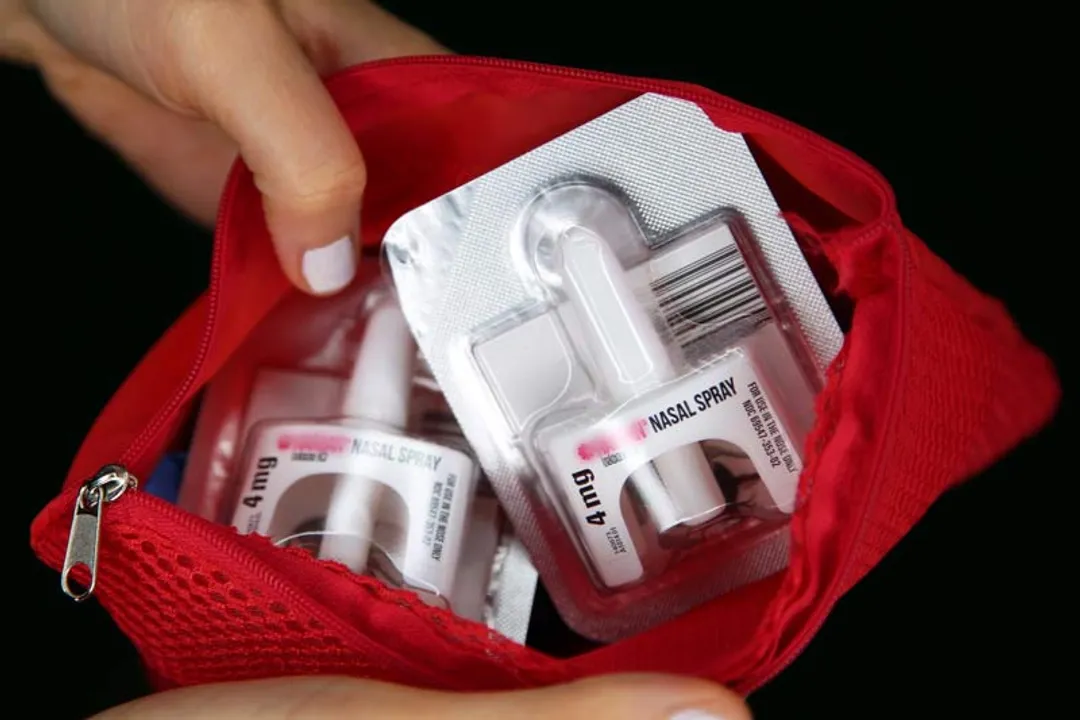
The mechanism of action for naloxone relies on competitive antagonism at the opioid receptors. Opioids slow or stop breathing by occupying these critical receptors. Naloxone possesses a chemical structure that allows it to fit into these same receptor sites. Upon administration, naloxone rapidly displaces the opioid molecules, effectively 'kicking them off' the receptors. This displacement immediately allows the person’s natural respiratory system to begin functioning again, restoring breathing.
Related Questions
Is Narcan the active ingredient or the brand name for naloxone?To which drug class does the life-saving substance naloxone belong?How does naloxone chemically interact with opioid receptors during an overdose?Which substances' overdoses will naloxone administration have no effect upon?What is the approximate time frame for naloxone onset when delivered intranasally?If a victim has co-ingested opioids and a benzodiazepine, what remains after naloxone restores breathing?What is the primary, temporary side effect experienced when naloxone reverses opioid binding?Which naloxone delivery system is typically preferred by EMTs for achieving faster, controlled drug levels?Why is post-reversal observation critical, given naloxone's duration of effect (30 to 90 minutes)?What critical intervention must occur immediately after administering naloxone if the person is only gasping?