What is Narcan vs naloxone?
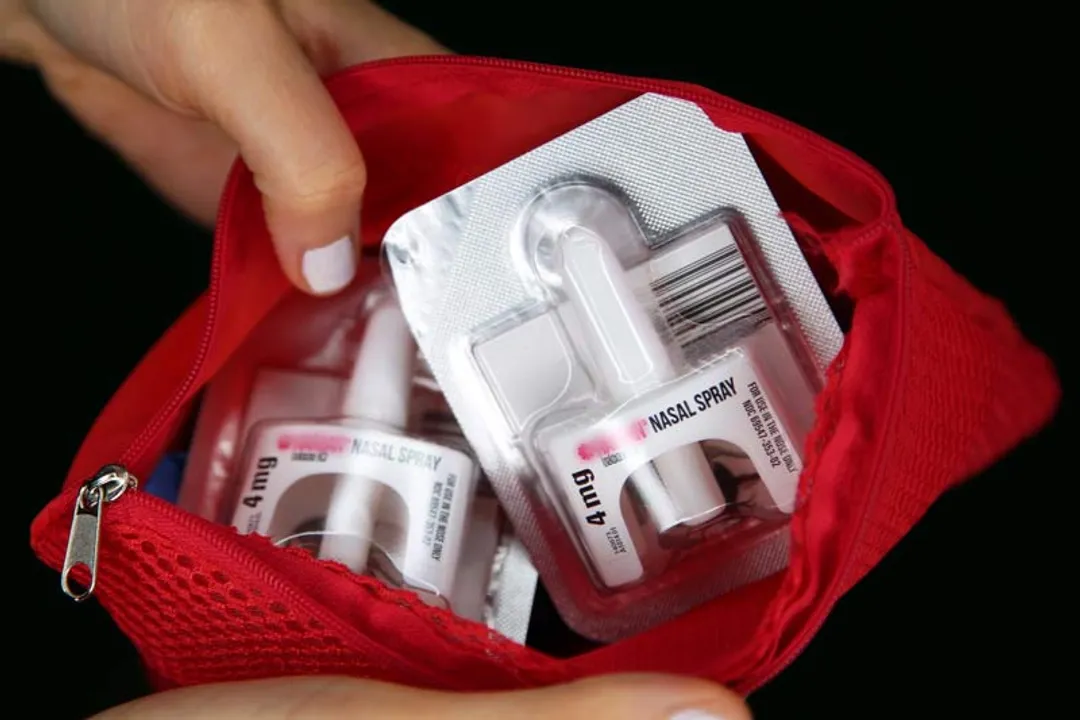
The confusion between Narcan and naloxone is extremely common, leading many people to wonder if they are using the right product during a critical moment. Simply put, they are not two different medications in the way that ibuprofen is different from acetaminophen. Rather, one is the specific active ingredient, and the other is a widely recognized brand name for that ingredient. [6][10] Understanding this relationship is key to knowing how to respond effectively during an opioid overdose emergency. [2]
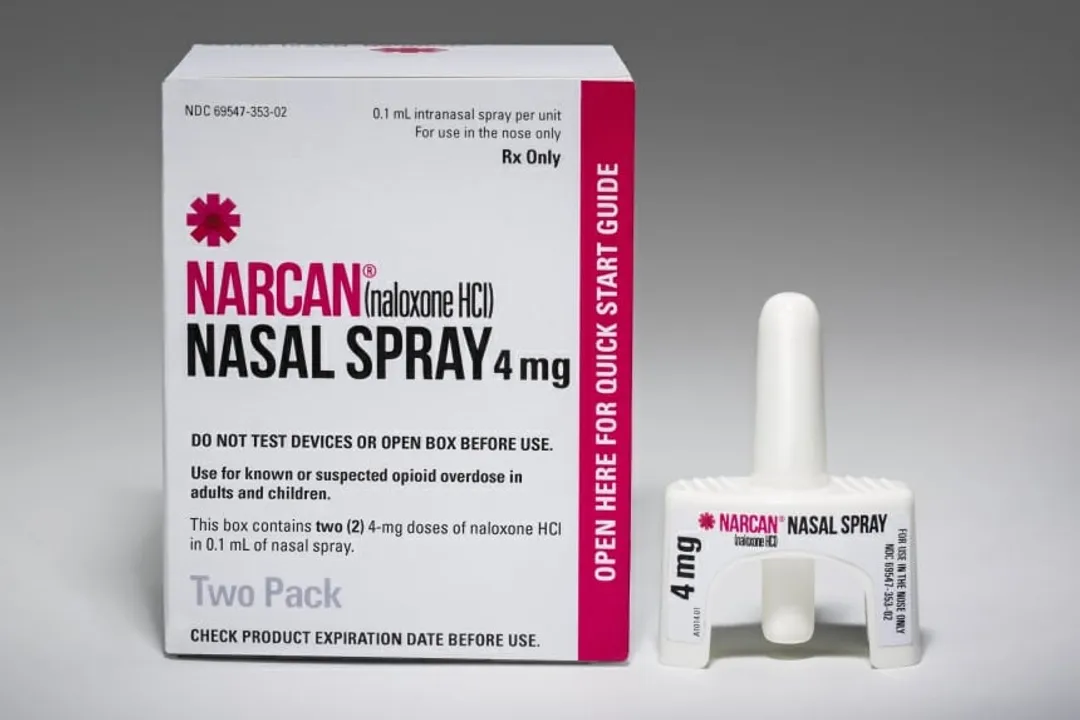
Naloxone is the medication itself, the life-saving substance that reverses the dangerous effects of an opioid overdose. [2][5] Narcan is simply the most recognizable trademarked product containing naloxone, often specifically referring to the nasal spray version. [6] When seeking or administering this medication, you are looking for naloxone, regardless of whether the box says Narcan or lists a different generic manufacturer. [10]
# Drug Identity
Naloxone belongs to a class of drugs known as opioid antagonists. [2][5] Its entire purpose in emergency medicine is to rapidly counteract the effects of opioids like heroin, fentanyl, oxycodone, or hydrocodone. [1][2] Opioids work by binding to specific receptors in the brain, particularly those that control breathing. When an overdose occurs, the opioids bind so strongly and in such high concentration that they slow or stop a person’s breathing, leading to brain damage or death. [1][2]
Naloxone’s chemical structure allows it to fit perfectly into those same opioid receptors. [5] It acts as a competitive blocker; when administered, it rushes in and kicks the opioid molecules off the receptors, immediately allowing the person’s respiratory system to begin working again. [1][2] Because it works so quickly, it is the primary tool used by first responders and community members to reverse overdose fatalities. [6] It provides a critical window of time for emergency medical services to arrive. [5]
# Reversal Mechanism
The mechanism of action for naloxone is very specific: it is an opioid reversal agent. [1][5] This specificity is important to grasp because it defines what naloxone can and cannot do. [2] If someone has overdosed due to alcohol, benzodiazepines (like Xanax or Valium), or stimulants (like methamphetamine), naloxone will have no effect on their condition. [1][5]
When administered, naloxone works swiftly, often within two to three minutes if given intranasally, or even faster if injected intravenously. [1][6] Its primary, life-saving action is restoring breathing function. [1]
A crucial point for lay rescuers to understand is recognizing the limitations imposed by co-ingestion. If an overdose victim has taken a mixture of opioids and another central nervous system depressant, such as alcohol or a benzodiazepine, naloxone will only address the opioid-induced respiratory suppression. [1][5] The person might start breathing again, but they could remain heavily sedated or unconscious due to the other substance. This means that even after a successful reversal with naloxone, continued observation and the potential need for rescue breathing or chest compressions are necessary until professional medical help takes over. [1][5]

# Name Difference
The simplest way to differentiate the terms is by thinking of them like Tylenol and acetaminophen. [10]
- Naloxone: This is the generic name for the active drug compound. [2][10] This is the chemical name used in medical literature and regulations. [10]
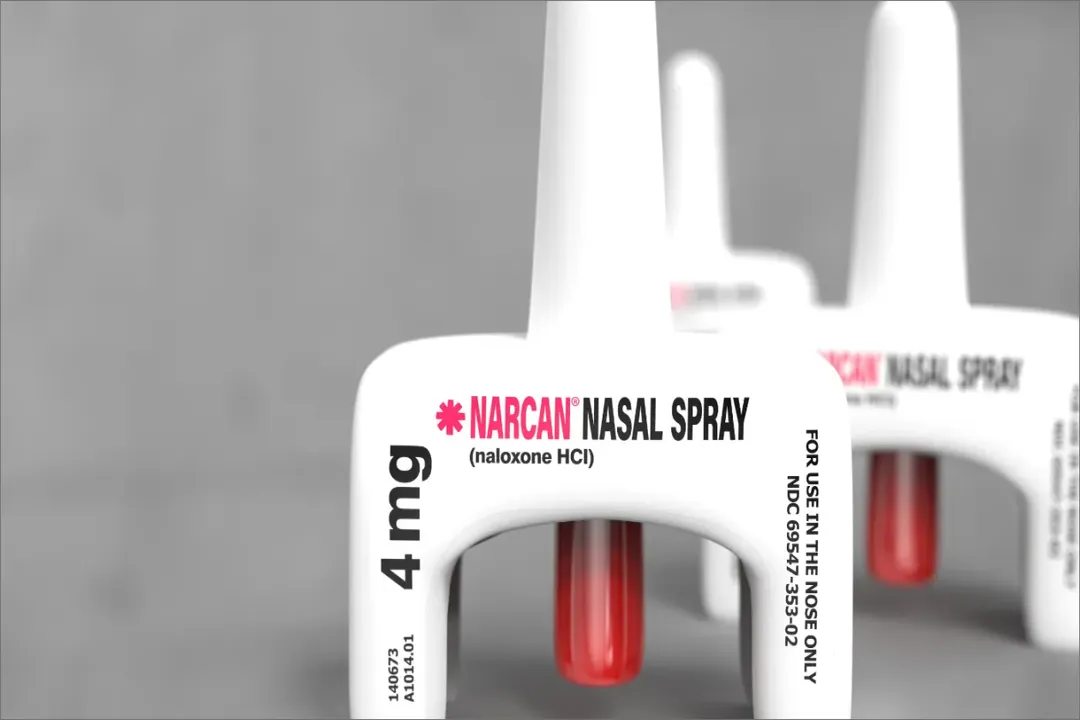
- Narcan: This is the brand name owned by the manufacturer, often associated with the over-the-counter or prescription nasal spray product. [6]
While Narcan is the most common term heard in public health campaigns, other manufacturers produce generic naloxone products. [5] These generics might be packaged as nasal sprays, injectable vials, or pre-filled syringes. [5][10] Legally and medically, they all contain the same active substance and perform the same function. [5] The difference lies purely in the marketing, packaging, and sometimes, the specific administration device included. [10] In some regions, you might see other brand names like Kloxxado or ReVive. [6][7]
# Formulations Available
The practical difference between the medications often boils down to the delivery system, which affects how quickly and easily they can be used in an emergency. [1]
# Nasal Spray
The nasal spray, most famously associated with the Narcan brand, is designed for ease of use by untrained individuals. [6] It typically requires no specialized training beyond reading the instructions on the box. [4] The typical dose is delivered into one nostril while the person is lying down or on their side. [1]
# Injectable Forms
Naloxone also exists in injectable formats, which can be delivered intramuscularly (into a large muscle) or intravenously (into a vein). [1][5] These methods are often preferred or exclusively used by emergency medical professionals (EMTs, paramedics) because they can achieve faster, more controlled drug levels in the bloodstream, which is necessary for profoundly deep overdoses or in hospital settings. [5] Generic, injectable naloxone might be available through standing orders in some communities where rapid, frequent dosing is anticipated. [7]
Here is a brief comparison of common administration methods:
| Feature | Nasal Spray (e.g., Narcan) | Injectable (IM/IV) |
|---|---|---|
| User | Lay public, first responders | Medical professionals |
| Speed of Onset | Fast (1–3 minutes) | Very fast (seconds to 1–2 minutes) |
| Training Required | Minimal | Moderate (requires medical procedure knowledge) |
| Dosing Control | Fixed dose per spray | Titratable (dose can be adjusted) |
# Using The Kit
Whether you have the branded Narcan spray or a generic naloxone kit, the procedure for an unresponsive person suspected of opioid overdose follows a similar protocol: safety first, then administration. [4][5]
- Check for Response and Breathing: Carefully check if the person responds to verbal commands or a gentle sternum rub. Look to see if their breathing is slow, shallow, noisy, or absent. [1][4]
- Call for Help: Immediately call emergency services (like 911) and clearly state that you suspect an opioid overdose. [4]
- Prepare the Dose: Follow the specific instructions for your product. For a nasal spray, ensure the tip is placed correctly in one nostril, aimed toward the back of the nose, and the dose is administered. [1][6]
- Rescue Breathing: If the person is not breathing or is only gasping, begin rescue breaths or CPR immediately after administering the first dose. [1]
- Wait and Reassess: Wait two to three minutes for the naloxone to take effect. [1][5] If the person has not responded, administer a second dose in the other nostril or as directed by the kit instructions. [4]
Because naloxone’s effects are often short-lived—lasting typically between 30 and 90 minutes—while some illicit opioids can remain active in the body for much longer, having an emergency plan for the person's immediate post-reversal care is as vital as administering the drug itself. [1][5] Even if the person wakes up, they must be transported to a medical facility. While waiting for EMS, ensure the person is positioned safely, ideally on their side (the recovery position), to prevent aspiration if they vomit, which is a common reaction to precipitated withdrawal. [1]
# Safety Profile
A common question is whether it is dangerous to give naloxone to someone who has not actually taken opioids, or if they might be allergic. The good news is that naloxone carries a very favorable safety profile for emergency use. [5]
If a person is not experiencing an opioid overdose, administering naloxone will generally cause no harm and will not reverse whatever condition is causing the unresponsiveness. [5] It will not reverse a pure alcohol or benzodiazepine overdose, and it does not block the effects of stimulants. [1][5]
The main side effect associated with naloxone is precipitated withdrawal. [1] When the drug knocks the opioids off the receptors, the person suddenly experiences the full force of opioid withdrawal symptoms, which can include nausea, vomiting, muscle aches, agitation, anxiety, and rapid heart rate. [1] While uncomfortable, this is medically preferable to death from respiratory arrest. These effects are temporary, lasting only until the short-acting naloxone wears off, though emergency personnel will be needed to manage the ensuing withdrawal symptoms. [1][5]
# Community Access
The goal of making both branded and generic naloxone available is to ensure it is where it needs to be when an overdose occurs. [4][7] In many jurisdictions, laws have been enacted to allow wider distribution, often through pharmacy prescriptions or community programs operating under a standing order. [4][7] This means that individuals, family members, or community organizations can acquire the medication without needing a specific patient present. [7] Checking local regulations regarding standing orders or Good Samaritan laws—which protect those who administer aid in good faith—is a necessary step for community preparedness. [4][7] The availability of generic naloxone can sometimes make the medication more affordable or accessible through different public health initiatives than the widely marketed Narcan brand. [5]
Related Questions
#Citations
Narcan/Naloxone - What is it and How Does it Work? - UW–Madison ...
Naloxone DrugFacts | National Institute on Drug Abuse (NIDA)
[PDF] what is the difference between naloxone (narcan®) and ...
What You Need to Know About Naloxone (also known as Narcan®)
The Facts About Naloxone | Shasta County CA
NARCAN® Nasal Spray
REVIVE! - Virginia Department of Behavioral Health and ...
Naloxone - Wikipedia
FAQs • What is the difference between Kloxxado and Narcan (n
NARCAN / Naloxone | Merced County, CA - Official Website