What can I do with flower water?
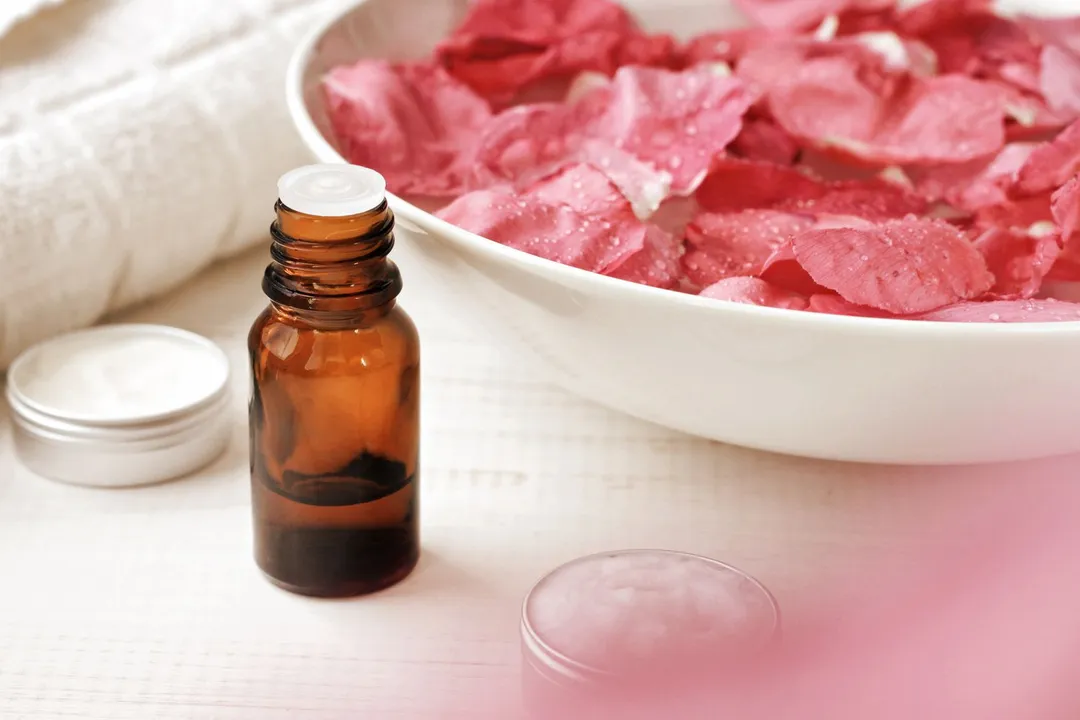
Floral waters, the fragrant hydrosols distilled from flowers, offer a subtle yet profound way to infuse everyday items with natural essence, moving far beyond simple potpourri. These aromatic liquids, like rose water or orange blossom water, carry the spirit of the flower they are made from and can transform everything from simple beverages to skincare routines. [1][4] Deciding what to do with a bottle of this fragrant liquid often comes down to understanding its inherent strength and finding the right application—whether you are baking a holiday treat or mixing an evening mist.
# Culinary Infusion
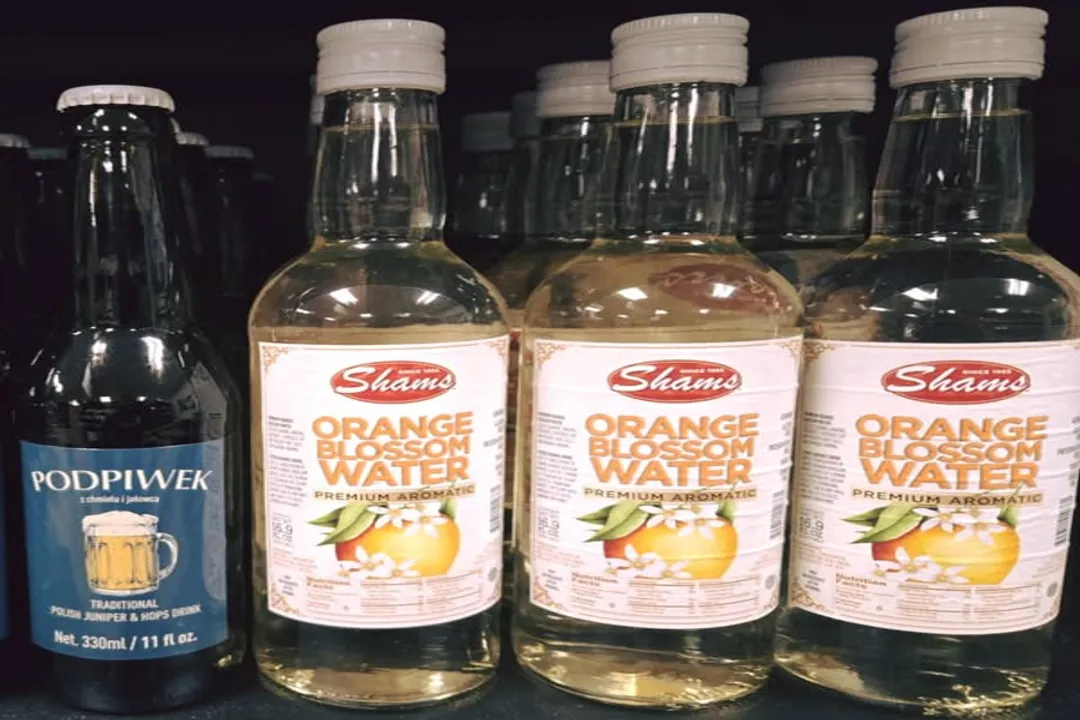
The most celebrated use for many flower waters lies in the kitchen, particularly in sweets and baked goods. [1][3] These waters introduce floral notes that are often associated with Middle Eastern, Persian, and South Asian cuisines. [3]
# Sweet Applications
Rose water is incredibly versatile, pairing beautifully with ingredients like cardamom, pistachio, and saffron in recipes for things like custards, puddings, and cookies. [1][3] When working with rose water in baking, a little goes a long way; a few drops can perfume an entire batch of shortbread or soak syrup. [2]
Orange blossom water offers a distinctly different, often brighter and slightly sharper floral profile compared to rose water. [5] It is a staple in many Mediterranean pastries, lending its character to cakes and sometimes citrus-based desserts. [10] Some bakers find orange blossom water more potent than rose water, meaning it demands even greater restraint in measurement. [5]
When incorporating floral essences into a delicate dairy base, such as a panna cotta or a light mousse, the goal is often a whisper of flavor. For example, using just half a teaspoon of rose water in a pound cake recipe, as suggested in some traditional sources, allows the vanilla and butter to still shine through, with the floral note providing a fragrant lift rather than becoming the dominant flavor. [1][3] Conversely, if you are making a very simple syrup for drizzling over baklava, you might increase the ratio slightly to ensure the floral note cuts through the sweetness of the honey or sugar. [1]
# Drink Additions
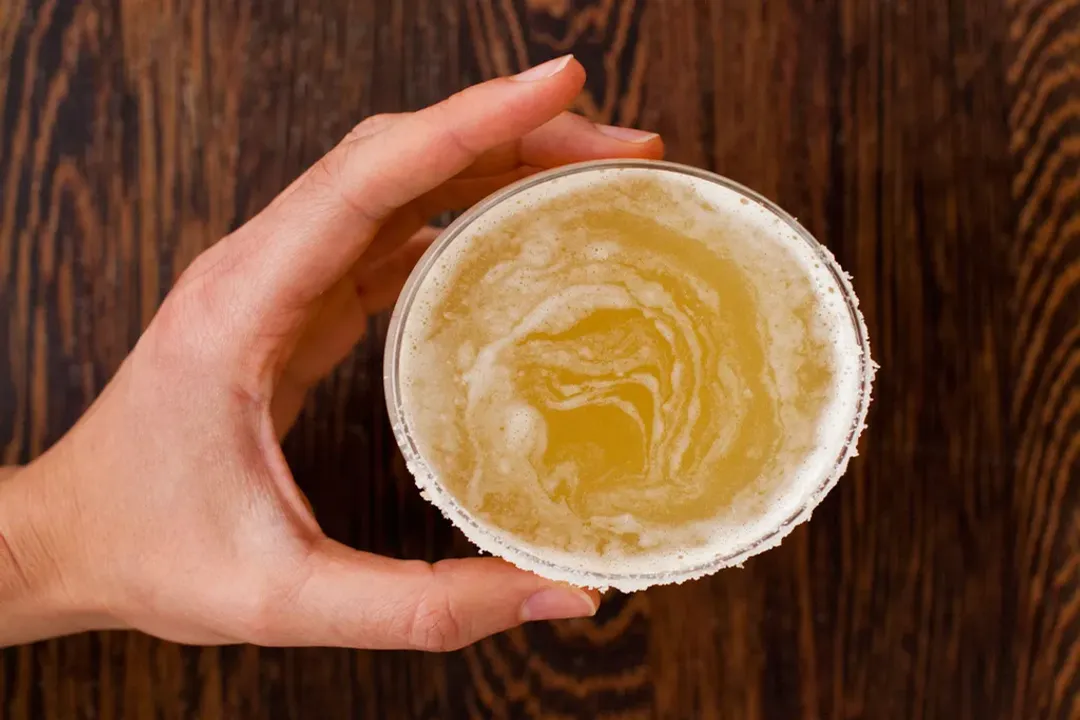
Beyond baking, flower waters are excellent for crafting unique beverages. [8] They can add complexity to cocktails or simply enhance everyday drinks. [1]
- Tea: A small splash of rose water added to black or green tea transforms a standard cup into something more fragrant and soothing. [1]
- Cocktails: In mixed drinks, floral essences can replace simple syrups or liqueurs to provide an aromatic dimension. Consider using orange blossom water in a gin-based drink that features citrus, as the complementary notes will marry well. [1]
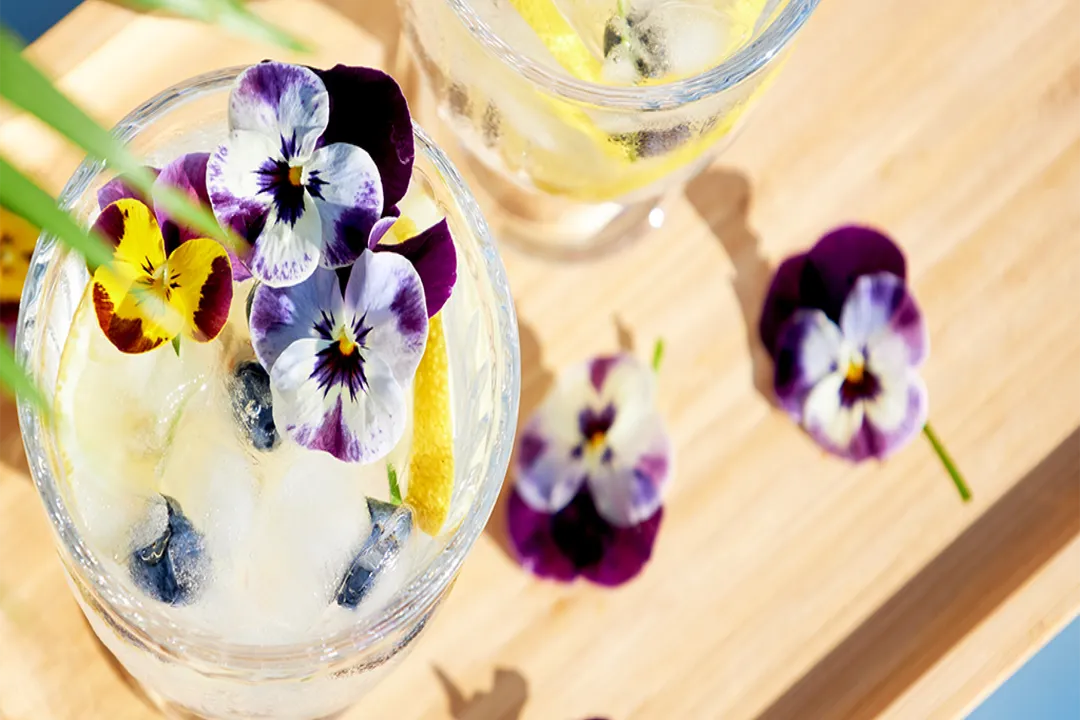
- Simple Refreshers: For the most straightforward use, mix a few drops into a glass of chilled sparkling water with a squeeze of lemon or lime.
A critical point for any culinary application is moderation. Because these waters are highly concentrated distillates, over-seasoning is a common pitfall. [2] It is better to start with significantly less than you think you need—perhaps a quarter teaspoon for a large cake batter—and taste before adding more. [2] If a recipe calls for one teaspoon, try using only half a teaspoon initially, especially if you are new to the ingredient. [2]
An intuitive way to approach this flavor introduction is by considering the base flavor profile. For rich, earthy bases like dark chocolate or coffee, a more assertive floral note, perhaps orange blossom, can provide a necessary counterpoint. For lighter bases like lemon curd or vanilla ice cream, the delicate perfume of rose water is generally a better companion, preventing the floral note from becoming soapy or overwhelming. [5]
# Skincare Revival
Floral waters are not solely for consumption; they have a long history of use in personal care due to their natural astringent, soothing, and hydrating properties. [4][7] They are often featured in routines aimed at maintaining skin health and hydration. [4]
# Facial Care
When used on the face, floral waters typically function as a toner or a gentle cleanser. [4] Many commercial floral waters are touted for their ability to balance the skin's pH levels after washing or to prepare the skin to better absorb subsequent serums or moisturizers. [7]
Rose water, for example, is frequently mentioned for its calming effects, sometimes recommended for soothing irritated or sensitive skin areas. [4] For this purpose, keeping the bottle in the refrigerator can enhance the cooling sensation upon application. [4]
For application, you can pour the water onto a cotton pad and gently wipe the face, or use a fine-mist spray bottle for an all-over spritz. [7] If you are creating a DIY face mask, substituting plain water with floral water—such as adding rose water to a clay mask—can add soothing properties to the mixture. [4]
# Hair Rinses
Floral waters can also be incorporated into hair care routines. [4] They are sometimes used as a final rinse after shampooing and conditioning, which can help to close the hair cuticle, leading to shinier-looking hair. [4] Orange blossom water, in particular, has been noted by some for its ability to add shine and fragrance to the hair. [5] A simple mixture involving a few ounces of flower water diluted with a larger amount of filtered water can serve as a light, fragrant leave-in treatment or rinse. [4]
# Home and Body Rituals
The aromatic nature of these waters lends itself well to creating a more pleasant home environment or enhancing personal bathing rituals. [4]
# Bathing Experience
One simple way to indulge in the fragrance is by adding flower water directly to your bath. [4] A half-cup or more poured into running bath water can infuse the steam and the water with a gentle, relaxing scent. This is especially pleasant with rose or lavender hydrosols if available, turning a standard soak into a small spa moment. [4]
# Simple Body Sprays
Creating a bespoke room or body spray is another popular and easy endeavor. [1][7] By combining flower water with distilled water, perhaps adding a few drops of essential oil for longevity or grounding the scent, you create a natural alternative to synthetic air fresheners or perfumes. [5]
A good starting point for a personal mist is a ratio of one part flower water to three parts distilled or demineralized water in a dark glass spray bottle. [7] If you want a slightly more complex body spray, consider blending two different floral waters—perhaps rose and orange blossom—to create a unique, layered fragrance profile that avoids being singular or too intense. [5] This blend can be used throughout the day for a light, refreshing lift. [7]
If you happen to have very strong, traditional floral water that smells intensely of the flower, treat it like a perfume concentrate. Diluting it significantly for a body spray ensures the scent is subtle enough for daily wear, as concentrated hydrosols can sometimes be overpowering when sprayed directly onto the skin in large amounts. [2]
# Understanding Hydrosol Quality
The utility of flower water is heavily dependent on its quality and how it was produced. [4][5] When purchasing, it is helpful to understand the difference between a true hydrosol (the water byproduct of steam distillation) and simple infusions or waters containing added ingredients. [4]
True floral waters, like those created via the steam distillation of petals or blossoms, retain beneficial properties and a natural aroma. [4] When sourcing rose water, for instance, looking for one made from Rosa damascena petals is often a mark of quality, which you might see listed on the label. [9]
Some product descriptions might mention waters made by simple infusion—soaking petals in hot water and straining—which yields a much weaker product than steam distillation. [9] While homemade infusions can be lovely, commercially sold waters should ideally be distilled for potency and shelf stability. [4][9] If the product lists preservatives or alcohol, it might be formulated differently than a pure hydrosol, which is something to consider if you intend to use it primarily for skincare. [7]
When shopping for cooking essences, check the ingredient list. High-quality cooking-grade orange blossom water, for example, should list only the flower and water as primary components, ensuring you are getting an authentic flavor without unwanted additives. [10]

# Comparison of Common Types
While many flowers yield fragrant waters, rose and orange blossom are the most commonly encountered, each best suited for different tasks. [5]
| Flower Water | Primary Flavor Profile | Best Culinary Pairing | Recommended Skincare Use |
|---|---|---|---|
| Rose Water | Sweet, deeply floral, slightly jammy | Middle Eastern sweets, custards, light syrups [1][3] | Calming toner, soothing redness [4] |
| Orange Blossom Water | Bright, citrusy, intensely fragrant [5] | Mediterranean pastries, bright cocktails, sorbets [10] | Balancing facial spritz, hair rinse [5] |
It is interesting to note the distinction in intensity between these two favorites. Orange blossom water is often described as having a more pronounced, almost heady aroma that carries further in a finished product. [5] Rose water, conversely, tends to be softer and more easily integrated without dominating the dish, making it a safer starting point for beginners. [3]
For those interested in trying to make their own, the process for rose water involves placing petals in water and gently heating them until the water is fragrant, which creates a light infusion rather than a true distillate. [9] While a lovely kitchen activity, this homemade version has a significantly shorter shelf life than a commercially distilled hydrosol. [9]
Whether you are flavoring a syrup for a cake or creating a cooling facial mist after a warm day, flower water provides a natural avenue to sensory enjoyment. It is a simple ingredient that, when used thoughtfully, adds layers of complexity and fragrance to both consumption and self-care rituals. [2][4] The key to success across all its applications remains the same: respect its potency and introduce it slowly.
Related Questions
#Citations
13 Recipes That Make Flower Waters Worth Buying - Bon Appetit
How to Use Blossom Waters (Answer: With Restraint) - Food52
Tips on what to make with Rose and orange blossom water? : r/Baking
Floral waters: benefits and how to use for skincare, haircare and body
10 Ways to Use Orange Blossom Water : Perfume, Beauty, Food
What are some uses for orange blossom water? - Facebook
How to use floral waters? - WAAM Cosmetics
Drink in the Beauty with Flower Water | Appetite to Play
How to Make Rose Water at Home—Plus, All the Ways to Use It
Orange flower water - Pastry & Baking - eGullet Forums