What are the odds of surviving a puff adder bite?
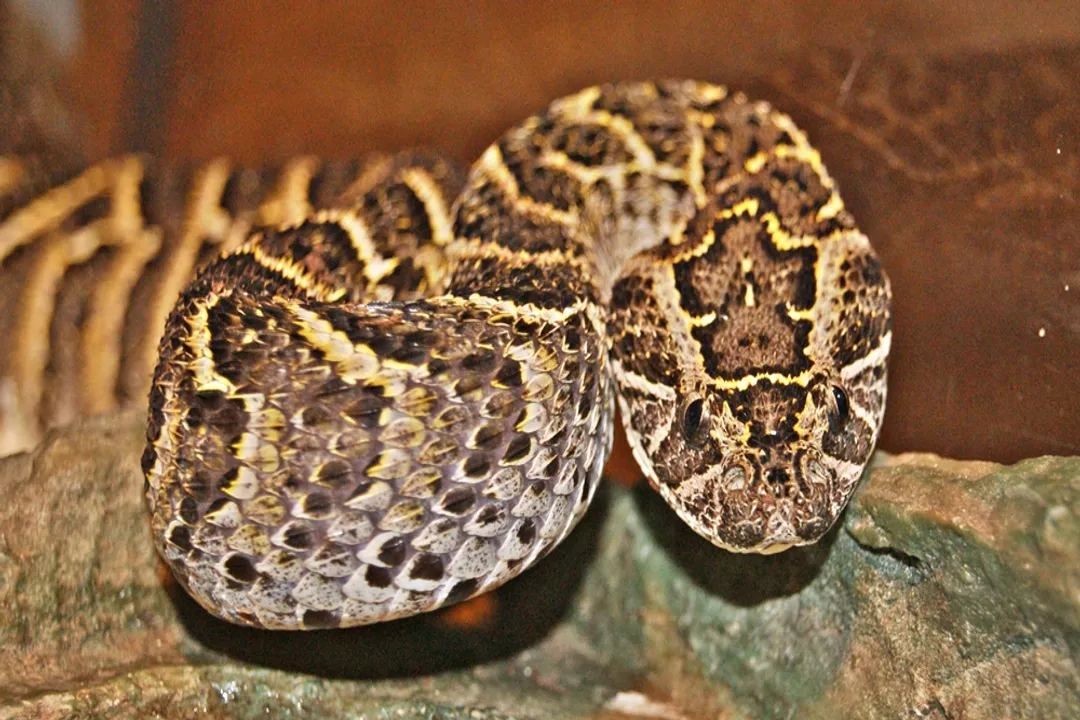
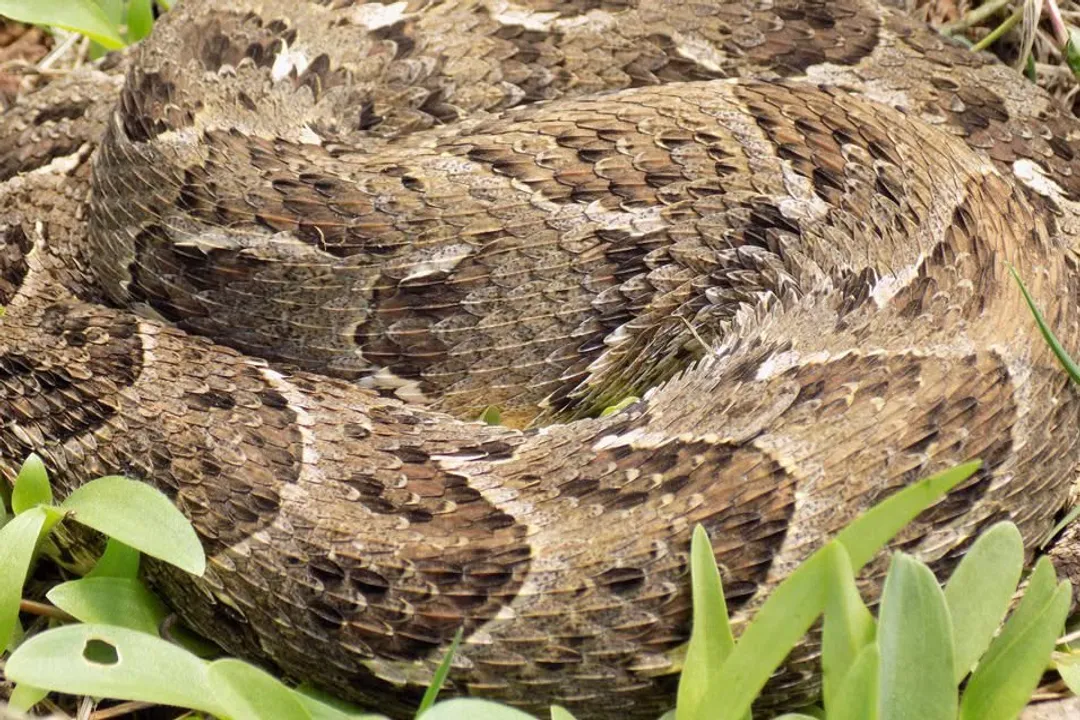
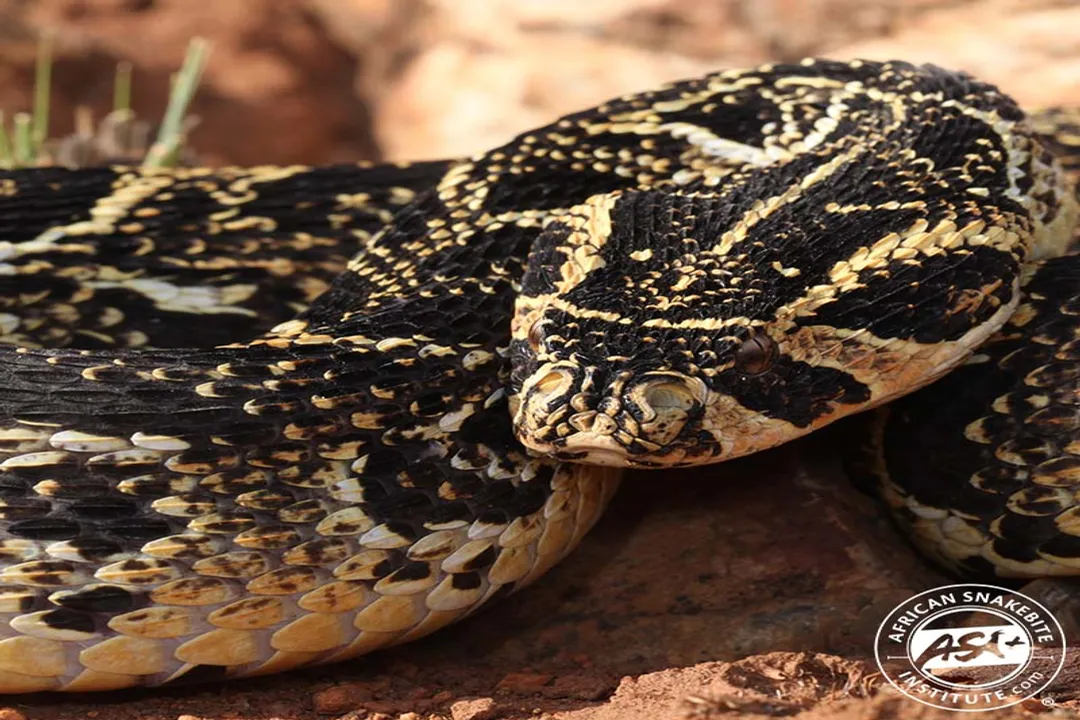
The puff adder (Bitis arietans) holds a reputation that often precedes it, frequently cited as one of the most dangerous snakes in Africa. [8] This is not because of a aggressive temperament, but because of its biological strategy for survival: camouflage and an almost motionless defense. [5] When walking through the tall grass or rocky terrain across much of the African continent, a puff adder is unlikely to move away when it senses vibrations. Instead, it relies on its cryptic coloration to blend into the environment, remaining perfectly still until something is mere inches away. [3][6] This behavior makes it a primary culprit in snakebite cases, leading many people to wonder about the survivability of an encounter. [3][5]
# Survival Probability
If you are bitten by a puff adder, the odds of survival are generally high, provided you seek professional medical care promptly. [3] Mortality rates from puff adder bites are relatively low in developed medical settings, but the severity of the injury can be substantial. [3] The primary danger does not usually come from a rapid, systemic shutdown of the body—as might happen with highly neurotoxic venom—but rather from the intense local tissue damage the venom inflicts. [3][8] Because the venom is cytotoxic, it begins destroying tissue cells at the site of the bite almost immediately. [3][8]
The risk to life typically emerges from complications rather than the venom itself. Secondary infections, severe necrosis requiring extensive debridement, or, in extreme cases, amputation can occur if the bite goes untreated or is managed poorly. [3] In environments where medical infrastructure is limited or access to effective antivenom is delayed, the prognosis becomes significantly more complicated. [2][9] Death is statistically rare when the victim receives timely hospital treatment, yet the long-term impact on the affected limb can be life-altering. [3]
# Venom Effects
Understanding what happens immediately after a bite helps clarify why survival depends so heavily on medical intervention. The puff adder’s venom is a complex mixture of proteins designed to begin the digestive process before the snake even consumes its prey. [3] When introduced into human tissue, this cocktail causes a rapid and often agonizing reaction. [3]
| Symptom Phase | Typical Progression |
|---|---|
| Immediate | Sharp, burning pain at the site |
| Minutes to Hours | Rapid, spreading swelling (oedema) |
| 1-2 Days | Blistering, bruising, potential skin death |
| Long-term | Risk of infection, muscle loss, possible surgery |
The swelling is usually the most alarming feature, often moving rapidly up a limb. [3] Patients often experience localized bleeding and skin discoloration as the venom breaks down blood vessels and tissue integrity. [3] Because the venom is cytotoxic, it does not typically paralyze the diaphragm or stop the heart in the way neurotoxic venoms do, which is why victims often remain conscious and able to seek help. [8] However, the agonizing pain and the systemic reaction to the toxin can lead to shock if not managed. [3]
# Behavioral Context
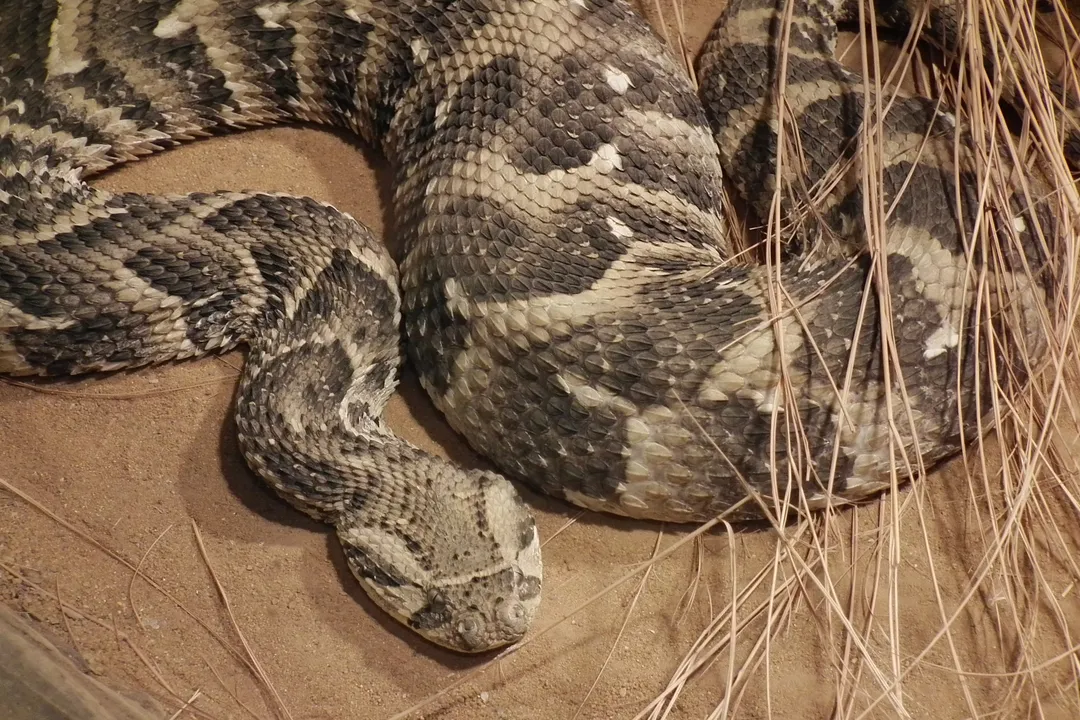
One of the most persistent myths surrounding puff adders is that they are aggressive or actively pursue humans. [6] In reality, they are sedentary ambush predators that rely on energy conservation. [5][8] An observer might walk past a coiled puff adder and never know it was there because it does not hiss or move to warn of its presence until it is absolutely necessary. [5][6] This trait is known as "flight-to-distance" behavior; they simply stay put. [6]
This behavior explains the high frequency of bites. People often inadvertently step on or near the snake while hiking or walking through brush. [3][6] The snake, perceiving a threat, strikes from a static position, often with impressive speed. [8] Because they do not have to move to strike, they can bite from a coiled position without giving any prior warning signals. [5] For those working in regions where puff adders are native, the most effective survival strategy is situational awareness and proper footwear rather than assuming the snake will flee upon approach. [3][5]
# Emergency Checklist
If a bite occurs, the window of time between the incident and hospital arrival is the single most critical factor in determining the outcome. [3] Panic often leads to ineffective or harmful first-aid attempts. Following a structured, evidence-based approach is necessary to improve the chances of a positive recovery.
- Stay Calm: Panic increases your heart rate, which can accelerate the spread of the venom through the lymphatic system. [3]
- Remove Constrictions: Immediately take off rings, watches, or tight clothing near the bite site, as swelling will happen very rapidly. [3]
- Do Not Incise or Suction: Cutting the wound or trying to suck out venom is ineffective and increases the risk of severe infection and tissue damage. [3]
- Immobilize the Limb: Keep the affected area below the level of the heart if possible, and move as little as possible to slow venom spread. [3]
- Get to a Hospital: This is the only effective treatment. Antivenom is the only way to neutralize the systemic effects of the venom. [3]
There is no "field remedy" that replaces antivenom. [3] Attempting to treat the bite with traditional medicines or topical applications wastes valuable time and can introduce bacteria into the already compromised tissue. [3] The focus must be entirely on transport to a medical facility that stocks appropriate antivenom. [3]

# Misconceptions
A common error in judgment involves the "dry bite" theory. While some venomous snakes can deliver a bite without injecting venom, one should never assume this is the case with a puff adder. [3] All bites should be treated as envenomation cases until a medical professional confirms otherwise. [3] Because puff adders have such long, mobile fangs, they are capable of delivering a substantial amount of venom deep into the tissue. [8]
Furthermore, some assume that because the puff adder is slow, it is easy to handle or avoid. This has led to unnecessary accidents among people who underestimate the speed of the snake's strike. [4] The snake's "puff" reputation—coming from its habit of inflating its body and hissing loudly when threatened—can also be misleading. [8] Sometimes, if it is not significantly disturbed, it may not even display this behavior, choosing instead to remain silent and invisible. [6] Never rely on visual or auditory cues to determine if a snake is present or if it intends to strike. [3]
# Recovery Realities
Survival is usually the first milestone, but recovery can be a long process. Because of the tissue-destroying nature of the venom, survivors may face weeks of wound care. [3] In some cases, dead tissue must be surgically removed—a process known as debridement—to prevent gangrene and further infection. [3] Physiotherapy is often required to regain full use of the affected limb, as the muscles and skin can tighten and scar during the healing process. [3]
The psychological impact of surviving such an encounter is also worth noting. The experience of being struck by a creature that was invisible until the last second can lead to heightened anxiety in outdoor settings. Focusing on preventative measures—such as wearing thick leather boots, using a walking stick to disturb brush ahead of you, and staying on marked paths—can help manage this risk. [3]

# Medical Prognosis
Medical teams in regions with high puff adder populations are well-versed in the standard of care. Treatment generally involves the administration of polyvalent antivenom, which is effective against the toxins present in puff adder venom, alongside supportive care like intravenous fluids, pain management, and antibiotics to prevent secondary infections. [3][9]
The success of these treatments is high. The vast majority of people who survive the initial bite and make it to a hospital will survive the experience completely. [3] The narrative of the puff adder as an untreatable death sentence is largely outdated; the true challenge is not the venom's potency, but the geographic and infrastructural barriers that prevent victims from receiving hospital-grade care in a timely manner. [3] If you find yourself in a high-risk area, prioritize the logistics of getting to help before you even step foot in the wild. [3]
Related Questions
#Citations
What are the chances of surviving a puff adder bite without antivenom?
Adder bites. A report of 68 cases - PubMed
Puff Adder - African Snakebite Institute
Is a puff adder a bad choice for a first venomous snake? - Reddit
Puff adders - Aquatic Safari
Do puff adders really not bite you if you step on them?
It can happen to you - Wild Trout Association
Puff adder - Wikipedia
Puff Adder Snakebite - JAMA Network