Can you survive an adder bite?
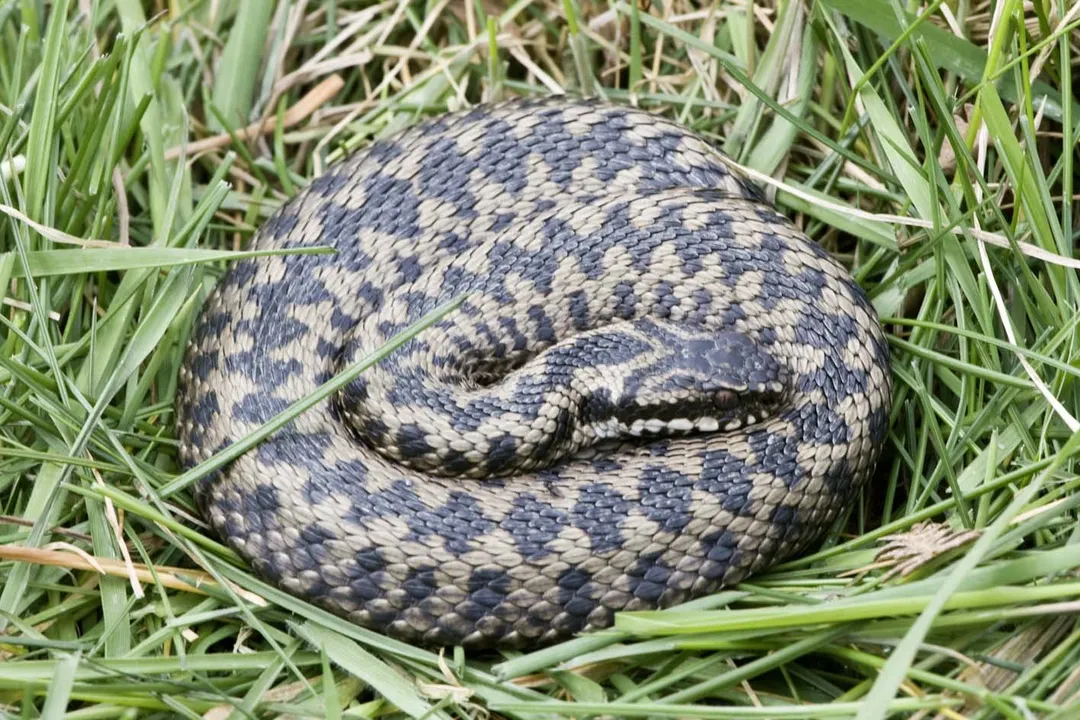
Surviving an adder bite is highly likely in most scenarios, especially when appropriate medical care is sought immediately. [5][6] While the thought of a snake bite can trigger a visceral, panic-induced response, the reality of the situation is often far less dire than cinema might suggest. However, the outcome heavily depends on which species is involved and the speed with which the victim accesses professional medical help. [4]
# Species Distinction
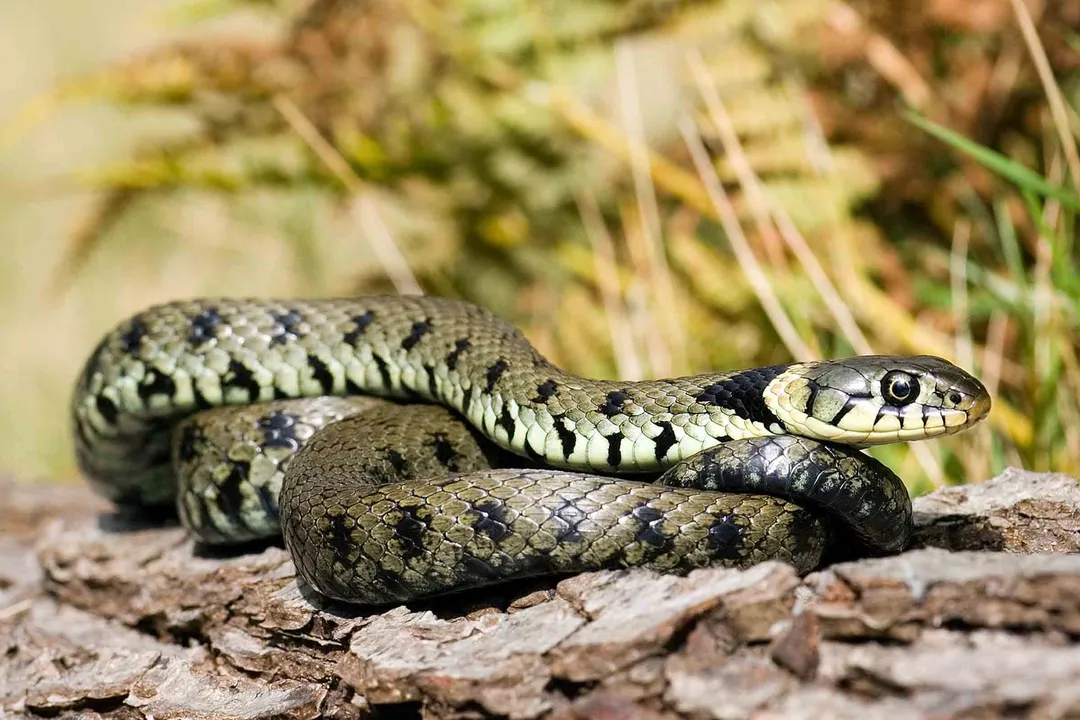
It is vital to recognize that the term "adder" is used loosely in different parts of the world, leading to dangerous misconceptions. In the United Kingdom and much of Europe, the common adder (Vipera berus) is a relatively small snake. While its bite is painful and medically significant, fatalities are exceptionally rare. [1][2] Modern medical interventions have made death from a European adder bite a statistical anomaly rather than a common risk. [5]
In contrast, the term "puff adder" (Bitis arietans) often appears in conversations regarding African wildlife. This is an entirely different species and a significantly more dangerous one. [3] These snakes possess a high yield of cytotoxic venom that can cause severe tissue damage, necrosis, and systemic shock if left untreated. [3] Conflating these two animals leads to unnecessary terror when hiking in Britain, or conversely, dangerous complacency when traveling in parts of Africa. Understanding your location is the first step in gauging your actual risk profile.
# European Adders
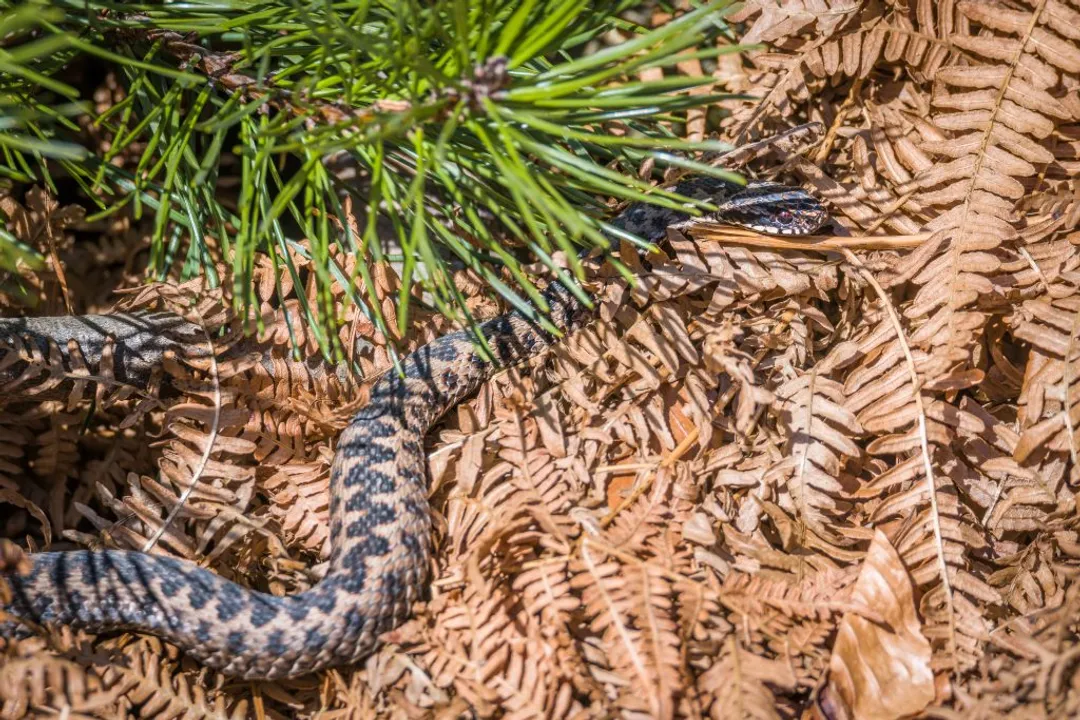
When dealing with the European adder, the likelihood of survival is extremely high. These snakes are naturally shy and generally bite only when provoked or stepped upon. [7] Even in instances where a person has received multiple bites, recovery is the standard outcome. [2] The venom is hemotoxic, meaning it targets the blood and tissue, but the dose delivered is often small. [4]
An interesting biological reality is the phenomenon of the "dry bite." Snakes are not aggressive by nature; they are hunters. Venom is an expensive biological resource for a snake to produce, requiring significant energy and time to replenish. Because of this, an adder will frequently strike without injecting venom, or with only a minimal amount, simply to warn off a perceived threat. [6] When a bite occurs, the absence of venom injection can result in little more than localized physical trauma from the fangs, though this is impossible to determine without medical testing.
# Puff Adders
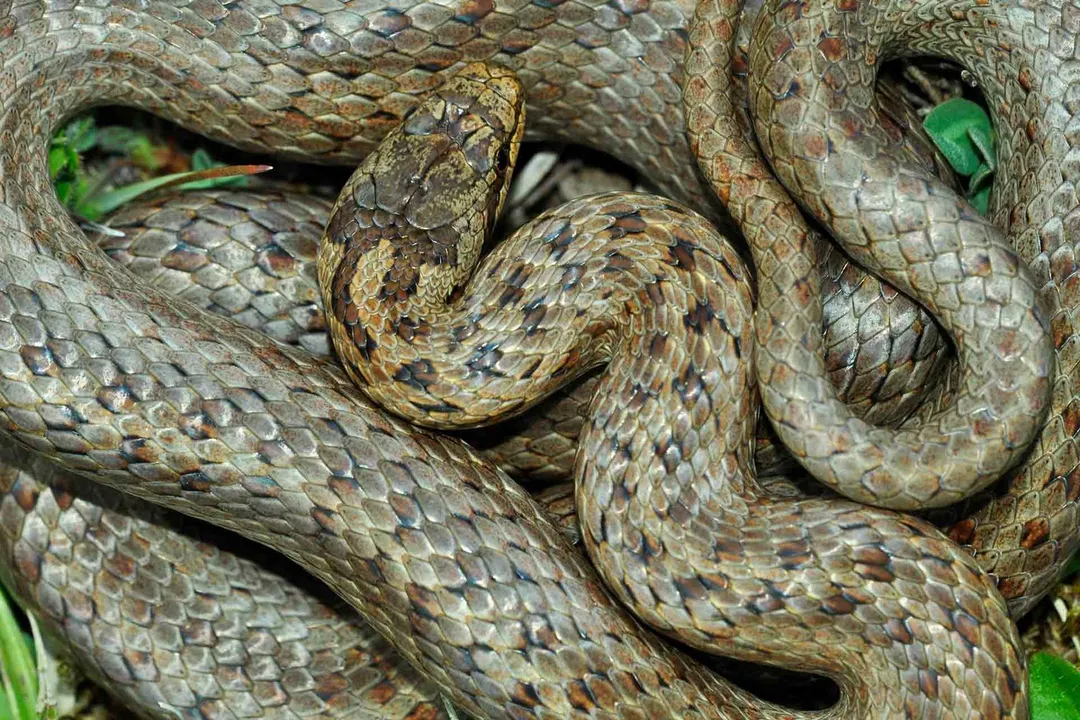
In the context of African puff adders, the risk profile changes drastically. These snakes are often more sluggish than other vipers, which leads to a dangerous myth: that they are "chilled" or docile enough to be stepped on without consequence. [8] This is incorrect. Their camouflage is excellent, and their response to being stepped on or startled can be instantaneous.
Unlike the European adder, the puff adder has a large venom volume. A bite is a medical emergency that requires rapid administration of antivenom. [3] Tissue necrosis is a primary concern here; the venom begins to break down cells at the bite site almost immediately. While you can certainly survive these bites, the recovery period is often intensive, potentially involving surgery or skin grafts if the venom is left to circulate unchecked. [3]
# Bite Symptoms
Regardless of the species, the body's reaction to a bite generally follows a specific progression. Initial symptoms often include sharp, intense pain at the site of the puncture wounds. This is usually followed by swelling, which can spread rapidly up the affected limb. [2][5]
Systemic symptoms are the next tier of concern. These might include nausea, vomiting, dizziness, and in more severe cases, abdominal pain or heart palpitations. [5] A particularly useful, albeit counter-intuitive, insight is that the speed of this reaction can be exacerbated by the victim's own stress levels. Panic increases heart rate and blood pressure, which effectively acts as a pump, circulating the venom through the lymphatic system faster than if the person remained calm. While it is difficult to remain composed after being bitten, forced, slow breathing is not just a psychological comfort; it is a physiological strategy to slow the distribution of toxins until help arrives.

# First Aid
The primary goal of first aid is to stabilize the situation and prevent the venom from moving through the body. Do not attempt to catch or identify the snake if it puts you at further risk; the hospital staff needs to treat the symptoms, not necessarily the species, though a photo of the snake—taken from a safe distance—can be helpful. [5]
If you are bitten, follow these steps immediately:
- Stay Calm: Panic accelerates the spread of venom through increased circulation.
- Immobilize: Keep the bitten limb lower than or at the level of the heart. If possible, use a splint to stop the limb from moving.
- Remove Restrictions: Take off watches, rings, or tight clothing near the bite site, as the area will likely swell significantly, and jewelry can become a tourniquet.
- Seek Help: Call emergency services immediately. [5] Do not wait for symptoms to worsen.
# Dangerous Myths
There is a significant amount of outdated advice regarding snake bites that does more harm than good. You must avoid these common errors, as they are not just ineffective but potentially life-threatening:
- Do not use a tourniquet: Tight bands restrict blood flow and concentrate the venom in one area, drastically increasing the risk of tissue necrosis and the need for amputation. [5]
- Do not cut or suck the wound: This introduces bacteria from the mouth into the bite site, increasing the risk of infection. It also does nothing to remove the venom, which enters the bloodstream almost instantly. [5]
- Do not use ice or heat: Extremes of temperature can damage sensitive tissues already compromised by the venom.
- Do not consume alcohol or caffeine: These substances can affect blood pressure and heart rate, which you want to keep as stable as possible.

# Clinical Treatment
Once you reach a hospital, the medical team will assess the envenomation level. In many cases of European adder bites, this involves observation, pain management, and fluids. [5] Antivenom is not a "cure-all" and carries its own risks of allergic reaction; therefore, doctors reserve it for cases where there is evidence of systemic envenomation or severe progression of symptoms. [6]
For more severe bites, such as those from a puff adder, the treatment plan is more aggressive. It will likely include intravenous antivenom and specialized wound care to manage necrosis. The hospital is the only safe place to be, as complications can arise hours or even days after the initial bite. [4] Recovery is the standard, provided that the victim bypasses folk remedies and adheres to the guidance of trained medical professionals. The human body is remarkably resilient, and with the support of modern toxicology protocols, the odds of surviving the encounter are heavily tilted in your favor.
Related Questions
#Citations
Adder bites untreated with anti venom. : r/snakes - Reddit
Man bitten three times by adder left in serious but stable condition
What are the chances of surviving a puff adder bite without antivenom?
Case Report: Treatment of a Severe Puff Adder Snakebite Without ...
Snake bites - NHS
How to Survive an Adder Bite - Fera
Adder Bites - Scottish SPCA
Do puff adders really not bite you if you step on them?
Bitten by a puff adder? Here's what to do — and what NOT to do. 1 ...