Is dill a natural antibiotic?
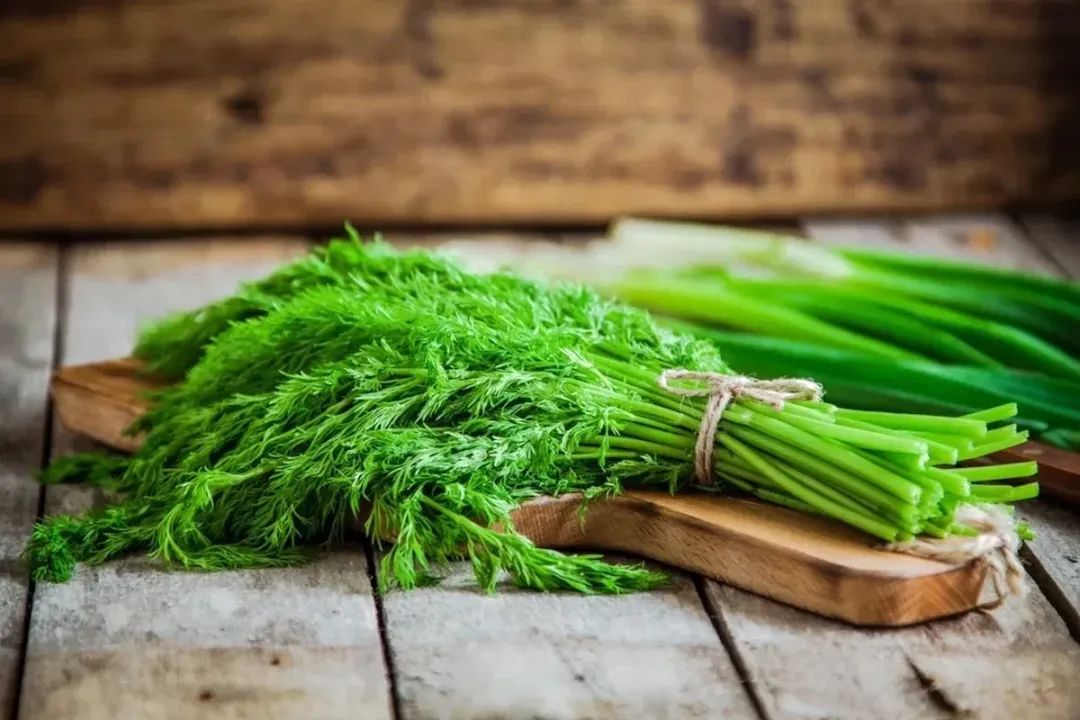
The plant Anethum graveolens, universally known as dill, carries a history steeped in culinary delight and traditional medicine, stretching back millennia across European and Asian cultures. Its name itself, derived from the Old Norse word dilla, hints at one of its most enduring historical uses: meaning "to soothe, to lull, or to calm," likely referencing its reputation for calming colicky babies. While its fresh, grassy leaves (dill weed) and its spicier, caraway-like seeds are staples in kitchens worldwide, many people are curious about its potent medicinal reputation, particularly the question of whether this common herb harbors genuine antibiotic capabilities.
# Ancient Soothing Agent
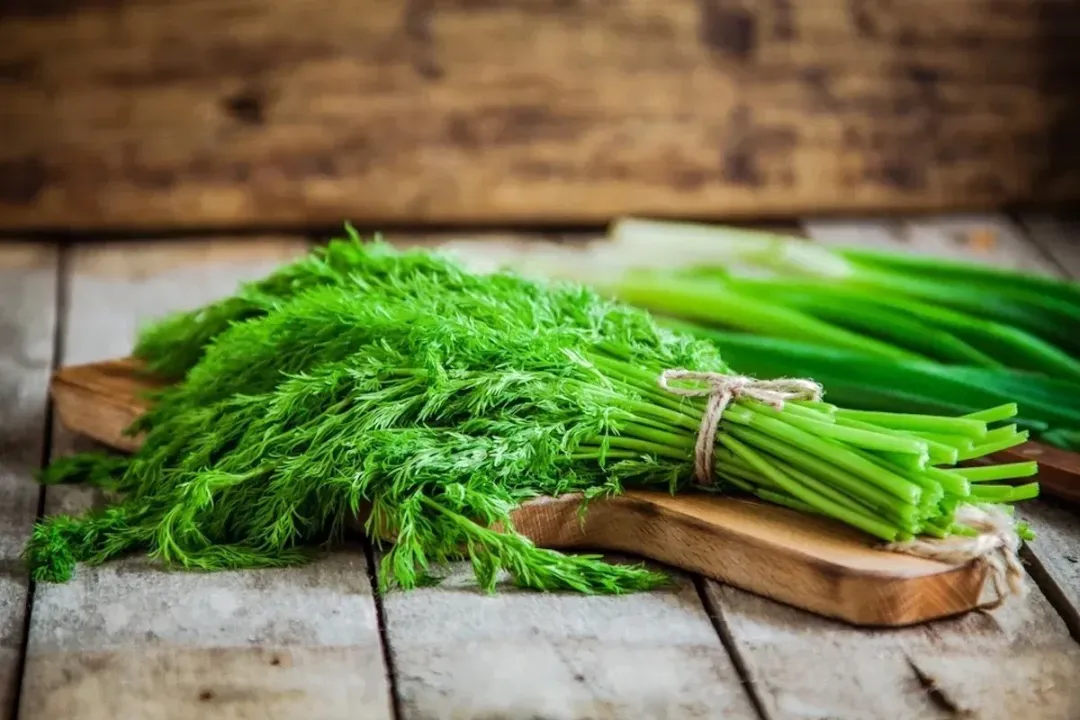
Dill's origins are deeply rooted in history. Traces of its use have been found as far back as Egyptian times, and it was utilized by Hippocrates in ancient Greece to treat burns, recognizing its anti-inflammatory and antibacterial nature even then. In many traditions, including Ayurveda and Unani medicine, dill seeds have been prescribed for a variety of internal ailments, most famously as a carminative agent to combat gas, colic, and aid in digestion. In the British Empire, for example, dill seed was the active component in "gripe water," a well-known remedy for infant colic, earning it the nickname "the secret of British nannies". The plant belongs to the Apiaceae family, sharing lineage with caraway, parsley, and fennel. However, despite its long medicinal resume, its inclusion in food has not always been universally celebrated; some historical names, such as the French fenouil bâtard ("bastard fennel") and the Dutch stinkende vinke ("stinking fennel"), suggest its initial introduction into cuisine might have been more for utility than for immediate flavor appeal. This utility often involved making preserved foods safer and more digestible, perhaps explaining the birth of the classic dill pickle—dill added to counteract indigestion from the cucumber skins preserved within the brine.
# Antimicrobial Action
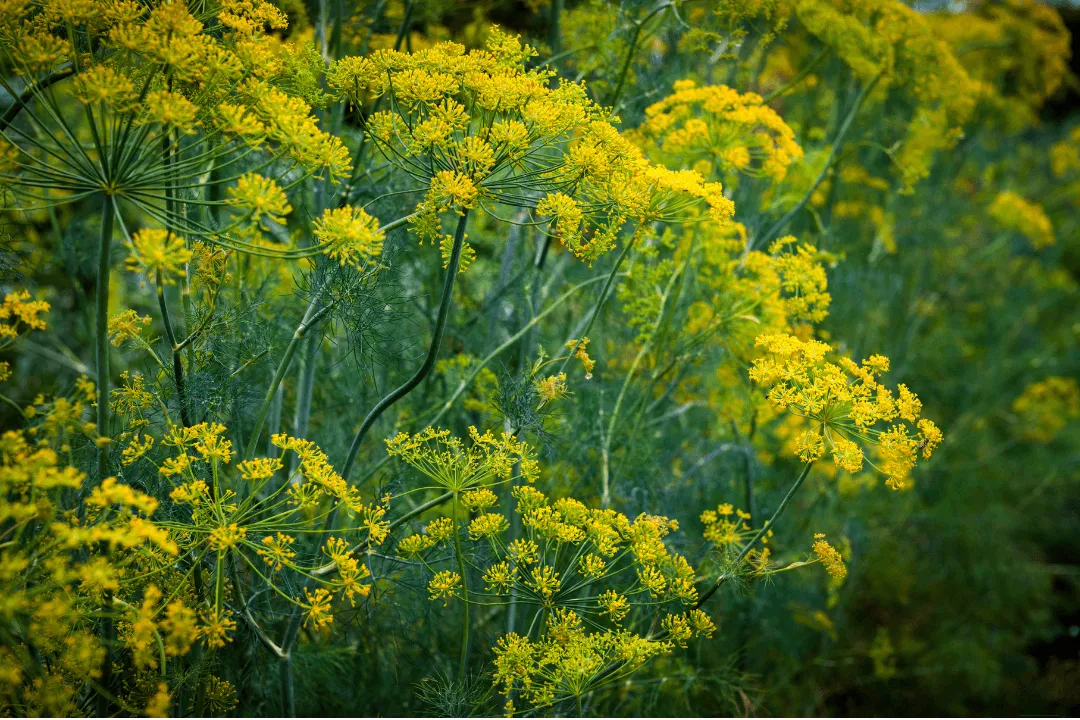
The assertion that dill acts as a natural antibiotic is supported by modern scientific investigation into its antimicrobial properties, primarily focusing on its essential oils and extracts. Research has consistently demonstrated that dill possesses the ability to inhibit the growth of various microorganisms in vitro. When extracts of dill seed were compared to standard antibiotics in a 2009 study, they showed significant antibacterial activity against a range of bacteria tested. However, this activity was not absolute; the study noted that the extracts were ineffective against Klebsiella pneumoniae and one strain of Pseudomonas aeruginosa. Nevertheless, aqueous extracts have shown broad-spectrum antibacterial action against other pathogens such as Staphylococcus aureus, Escherichia coli, Salmonella typhimurium, and Shigella flexneri. Furthermore, evidence suggests dill isn't limited to bacteria alone; studies have found that dill extracts can be beneficial in inhibiting or killing certain fungal strains, including the common yeast Candida albicans and the mold Aspergillus niger. This potency against fungi, sometimes called anticandidal properties, was even noted in older essential oils, suggesting the antimicrobial activity persists over time in storage.
The role of dill extends beyond directly killing pathogens; it also acts as a synergistic agent. In research focused on urinary tract infections, the essential oils of dill were found to play an adjuvant role, augmenting the antibacterial effect of the standard antibiotic nitrofurantoin when tested against Enterobacter cloacae. This ability to boost conventional medicine suggests a complex interaction within its chemical makeup.

# Key Compounds
The medicinal power attributed to dill, including its potential antibiotic nature, is largely traced back to specific chemical constituents, most notably the monoterpenes. The essential oil extracted from dill fruits is complex, but two compounds stand out: d-carvone and d-limonene, which together can constitute the majority of the oil, with d-carvone making up between 40 to 60% and d-limonene around 45%.
- Carvone: This monoterpene is a significant contributor to dill’s aroma and is recognized as a powerful antimicrobial agent. In studies where dill oil enhanced the activity of nitrofurantoin, carvone itself was identified as one of the most active constituents responsible for this synergy.
- Limonene: Another key monoterpene, d-limonene is common in citrus oils and is known for its potential chemopreventive and chemotherapeutic activities in preclinical models, besides its role as an excellent cholesterol solvent.
- Tannins: Present in the leaves, stems, and roots, these compounds are credited with strong antioxidant properties and established antimicrobial effects.
These monoterpenes and other compounds like dill ether, myristicin, flavonoids, and phenolic acids are synthesized via pathways that are common in the plant kingdom, often serving ecological roles for the plant by deterring herbivores or preventing fungal growth. The presence of these specific, biologically active molecules provides the scientific underpinning for the traditional use of dill as a germ-fighter.
# Digestive Relief
While the antibiotic claim is compelling, dill's most widely accepted therapeutic applications center on gastrointestinal wellness, which is closely tied to its antispasmodic and carminative actions. As a carminative, it actively helps in the easing of bloating caused by trapped gas, offering relief from burping and hiccups. Its antispasmodic quality allows it to relax the smooth muscles of the colon, which can help ease constipation and calm general intestinal cramping. In Ayurvedic practice, dill is known for its Deepan (appetizer) and Pachan (digestion) properties, thought to enhance the body's Agni or "digestive fire," thereby improving nutrient extraction and reducing symptoms like nausea and diarrhea. This digestive support is so pronounced that it underpins its historical success in treating infant colic.
Dill also contributes significantly through its antioxidant capacity. It is rich in flavonoids, terpenoids, and tannins, which help protect cells from damage caused by free radicals. This protection extends to the digestive tract itself; seed extracts have shown mucosal protective, antisecretory, and anti-ulcer activities in mouse models induced by acid or ethanol. Furthermore, the volatile oils in both the seeds and leaves are noted for their anti-inflammatory effects, which may help in relieving general muscular tension, arthritis pain, and even earaches.
# Dosing Context
Understanding the potential antibiotic effect requires distinguishing between the concentrations found in culinary use and those used in laboratory studies. When using dill as a spice—sprinkling leaves on salmon or seeds in bread—the amount consumed is relatively small. For instance, one cup (9 grams) of fresh sprigs provides only 4 calories and modest percentages of daily values for Vitamin C (8%) and Vitamin A (4%). While beneficial for overall nutrition and antioxidant intake, this dietary level may not deliver the concentrated chemical load needed to exert a broad-spectrum antibiotic effect against systemic infections.
The in vitro studies showing significant antibacterial or antifungal action often rely on concentrated essential oils or extracts. This difference highlights an important point for the general reader: while including dill in your daily diet is a fantastic way to consume antioxidants and support digestion, relying on it as a replacement for prescribed antibiotics requires a significantly higher, medicinal dose, usually in the form of standardized pills or concentrated oils. The Ayurvedic suggestion of taking 1-3 grams of dill powder twice a day is an example of a higher, therapeutic dosing strategy aimed at chronic support, not acute infection management. If you are using dill extracts for therapeutic purposes, it is critical to recognize that these higher doses may interact with medications or existing health conditions.
# Safety Profile
While consuming dill as a typical culinary ingredient is generally considered safe for most people, introducing it in medicinal doses or using concentrated extracts warrants caution. A significant concern involves allergies; individuals sensitive to plants in the carrot family, such as celery, caraway, fennel, or coriander, might experience allergic reactions to dill, ranging from mouth itchiness to throat swelling.
For certain populations and medical conditions, caution is strongly advised:
- Pregnancy and Breastfeeding: Due to a lack of definitive safety research, using dill in medicinal forms is considered possibly unsafe during pregnancy, as the seed might stimulate menstruation, potentially leading to miscarriage. Similar caution applies during breastfeeding.
- Surgery: Dill extract can potentially lower blood sugar. Therefore, medical guidance suggests stopping dill extract intake at least two weeks prior to any scheduled surgery to avoid interfering with blood sugar control during and after the procedure.
- Medication Interactions: Dill’s mild diuretic properties raise a flag when taken alongside Lithium, as it could potentially decrease how well the body eliminates the drug, leading to higher, potentially toxic levels. Additionally, because dill may lower blood glucose, diabetics using antidiabetes medications must monitor their levels closely, as combining the two could cause hypoglycemia.
- Thyroid Health: There is a concern that medicinal use of dill may lower thyroid hormone levels, meaning those with underactive thyroid (hypothyroidism) should avoid taking it as a medicine.
If you are considering dill supplements or high-dose teas for a specific health goal, consulting a physician is essential to navigate these potential interactions and side effects.
# Culinary Integration
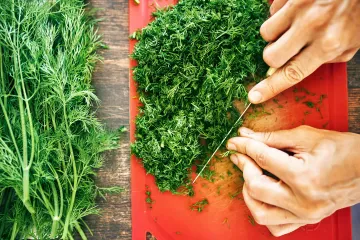
The inherent qualities of dill—its flavor profile and its chemical constituents—make it invaluable in the kitchen, where the difference between the weed and the seed is important for flavor application. The fresh leaves (dill weed) offer a light, crisp, grassy flavor, best enjoyed raw or added near the end of cooking for dishes like yogurt dips (tzatziki), fish preparations, potato salads, or as a final garnish. If you wish to preserve the fresh flavor, chopping the weed and freezing it in an ice cube tray with a little water is an effective method, retaining quality for up to six months.
The seeds, conversely, are the spicier component, tasting slightly like caraway. They hold up better to longer cooking times and are traditionally used in pickling, bread-making, or in spice rubs. While the herb has excellent general antioxidant properties, it's interesting to note that studies comparing several Apiaceae family members—dill, celery, and parsley—found that dill leaves and celery leaves showed the greatest total phenolic compounds and radical scavenging activity. This suggests that while all are healthy, dill might offer a particularly concentrated source of these beneficial phenolic antioxidants when compared side-by-side with its close relatives when fresh. For home preservation of the seeds or dried weed, an airtight container in a cool, dark place serves best for up to a year. Ultimately, whether you are seasoning fish or exploring its traditional uses, dill remains a versatile and beneficial plant worth keeping in your pantry, offering both flavor and documented health support, especially for digestive comfort.
Related Questions
#Citations
Dill: Nutrition, Benefits, and Uses
Dill: 9 Health Benefits, Nutritional Info, How to Consume & ...
Dill: Nature's Lesser-Known Antibiotic
Anethum graveolens: An Indian traditional medicinal herb and ...
Dill - Uses, Side Effects, and More
Dill: Herb of the Year 2010 | History, Health Benefits & Uses
Dill | MDedge
Dill : Benefits, Precautions and Dosage