Which specific acidic solution is frequently cited as the best agent for deactivating stinging cells after a Man-o'-War encounter?
Answer
Vinegar (acetic acid).
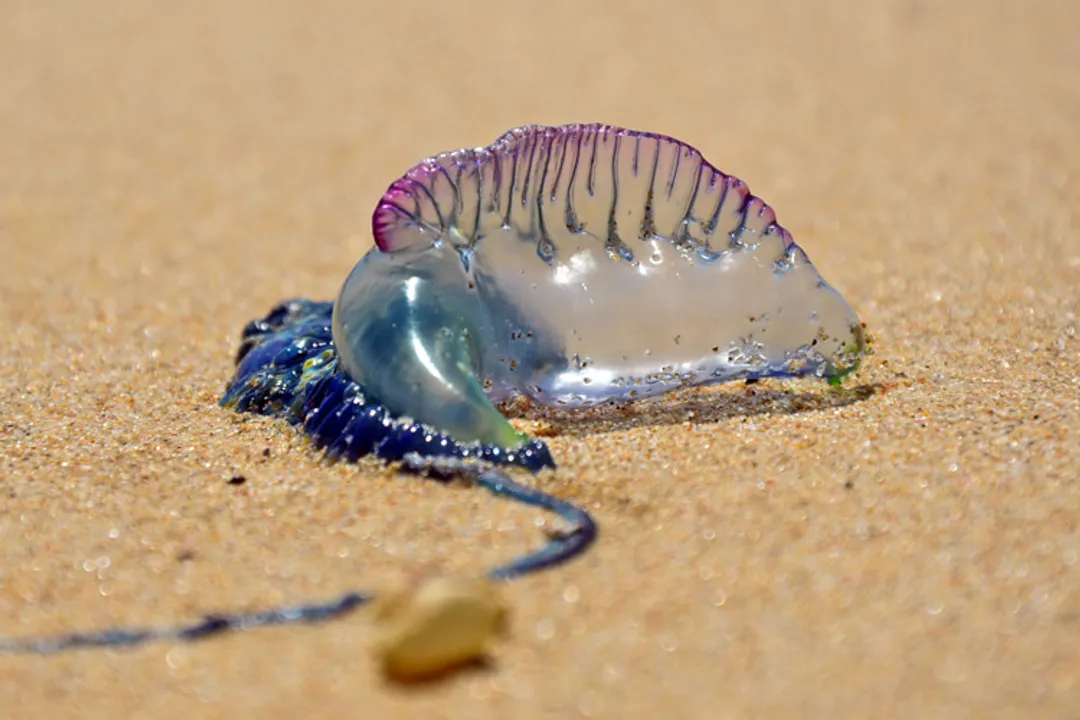
After the initial rinse with seawater to remove loose debris, the next crucial phase involves chemically neutralizing any unfired nematocysts still attached to the skin. Vinegar, which contains acetic acid, is the substance most strongly recommended by experts for this purpose. Applying vinegar liberally over the area allows the acid to neutralize the stinging apparatus, preventing further venom release. This chemical intervention is preferred over anecdotal remedies like urine because established medical guidance supports vinegar as the superior agent for managing the venomous stingers effectively before physical removal is attempted.
Related Questions
How is the initial, searing pain of a Man-o'-War sting frequently described by those who experience it?Why must fresh water be avoided when rinsing an active Man-o'-War sting immediately after contact?Which specific acidic solution is frequently cited as the best agent for deactivating stinging cells after a Man-o'-War encounter?What is the recommended temperature range for hot water immersion used for pain management after a Man-o'-War sting?What technical classification describes the Portuguese Man-o'-War as a colony of specialized, interconnected organisms working as one?What method should be strictly avoided when physically removing Man-o'-War tentacles from the skin after deactivation?For how long should vinegar be applied liberally over the affected area to prevent further venom release from remaining nematocysts?What component of the venom is thermally denatured during hot water immersion to reduce lingering pain from a Man-o'-War sting?What is the purpose of the initial gentle rinse using seawater following contact with a Man-o'-War?Which sign of post-sting complication specifically warrants seeking professional medical attention according to monitoring guidelines?