What to do if stung by Manowar?
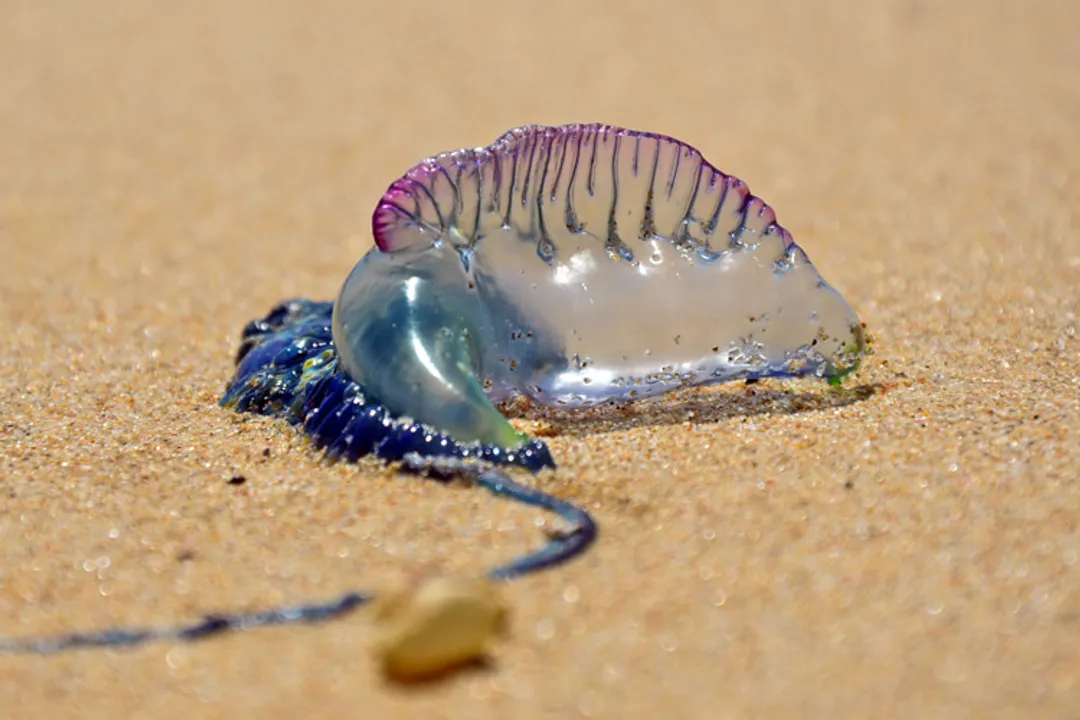
The initial, searing pain of a Man-o'-War sting is instantly recognizable and often unforgettable, frequently described by those who experience it as intensely painful, almost as if being burned or struck by a whip. [2][6] Unlike a simple jellyfish, the Portuguese Man-o'-War, sometimes called a Bluebottle, is technically a siphonophore—a colony of specialized, interconnected organisms working as one. [6] When contact occurs, the long, trailing tentacles, which can extend for many feet, deploy microscopic stinging cells called nematocysts. These cells inject venom, causing immediate discomfort, which can range from minor irritation to agonizing pain requiring medical attention. [2][6][10] Knowing the correct, evidence-based steps to take immediately afterward can significantly influence the recovery process and reduce lingering suffering.
# Creature Identification
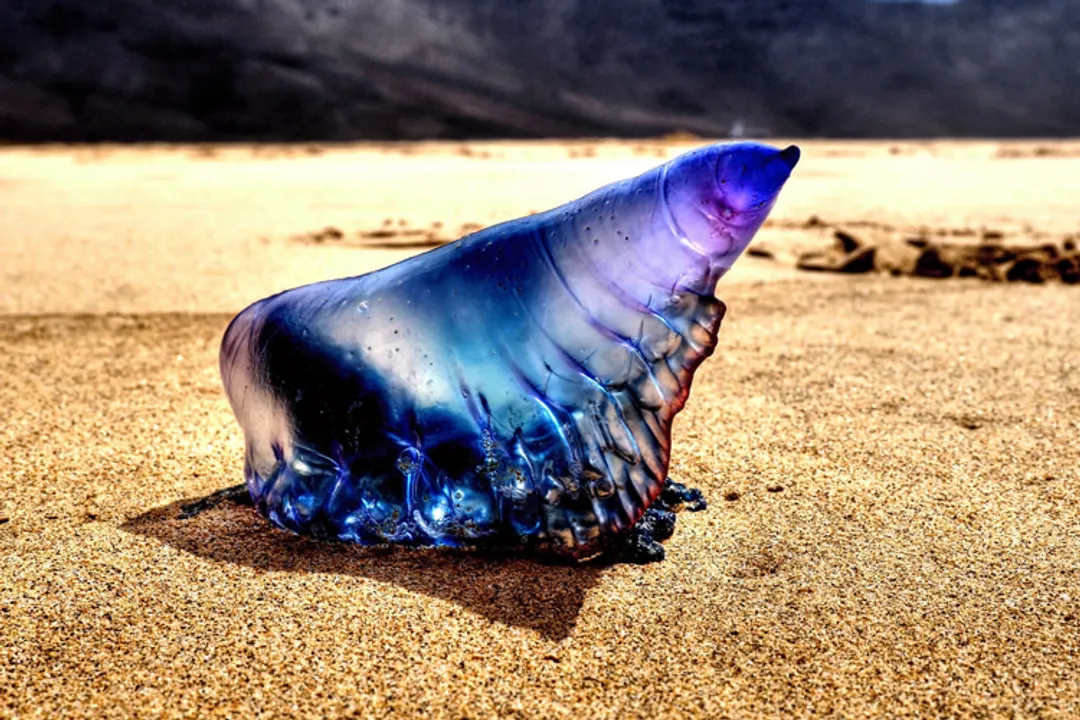
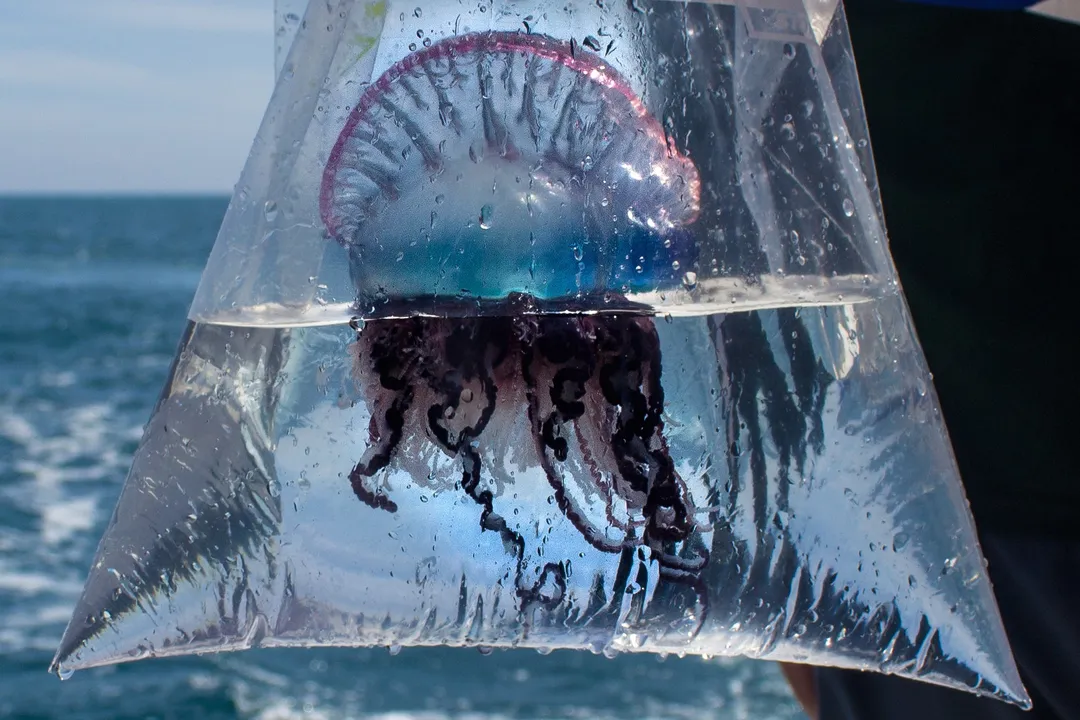
Understanding what has stung you is the first step in effective treatment. A Man-o'-War is often mistaken for a jellyfish, but it is a floating colony composed of four distinct zooids. [6] Visually, they are striking, often featuring a blue or purplish, gas-filled float that resembles a small sail, which is why they are also called Bluebottles, particularly in Australia. [6] These floats keep them on the surface of the water, where their tentacles drift below, often remaining capable of stinging even after the main body has washed ashore or died. [5] This persistence of stinging ability in detached tentacles is a critical safety factor to remember when dealing with remnants on the beach or on your skin. [5]
# Initial Rinse Sequence

The moment you realize you've been stung, the immediate priority is to stop any unfired nematocysts from injecting more venom. There is a significant difference in advice surrounding the initial rinse, and following the wrong protocol can make things worse.
The consensus among experts is a strong instruction to avoid rinsing with fresh water. [3][10] Fresh water, including tap water, can cause the undischarged nematocysts still clinging to the skin to fire their venom, thus escalating the sting. [3] Similarly, rubbing the area aggressively with sand or a towel should be avoided as this also risks triggering more stings. [10]
Instead, the recommended first step is a gentle rinse with seawater. [3][6][10] This helps wash away any loose tentacles without causing further envenomation.
# Deactivating Stinging Cells
After the initial seawater rinse, the next crucial step involves deactivating any remaining venom cells before attempting to physically remove the tentacles. Here, the advice centers on using an acidic solution to chemically neutralize the stinging apparatus. Vinegar (acetic acid) is frequently cited as the best agent for this purpose. [4][9] Applying liberal amounts of vinegar over the affected area for at least 30 seconds is advised to prevent further venom release from any remaining nematocysts. [4]
It is important to contrast this with an often-cited, but medically unsupported, folk remedy: urine. While anecdotal evidence persists, scientific scrutiny of first aid protocols suggests that vinegar is a superior and recommended treatment compared to urine for managing the stingers. [9] Relying on vinegar aligns with established medical guidance for this specific type of venomous creature. [9]
An analytical note on timing: The window between the sting and the application of a deactivating agent is critical. If you are in an environment where you know these creatures are present, having a small bottle of vinegar readily accessible in your beach bag—rather than relying on finding it later—ensures you can immediately stop venom injection, which is arguably more important in the first sixty seconds than pain management, which follows. [1]
# Tentacle Removal Protocol
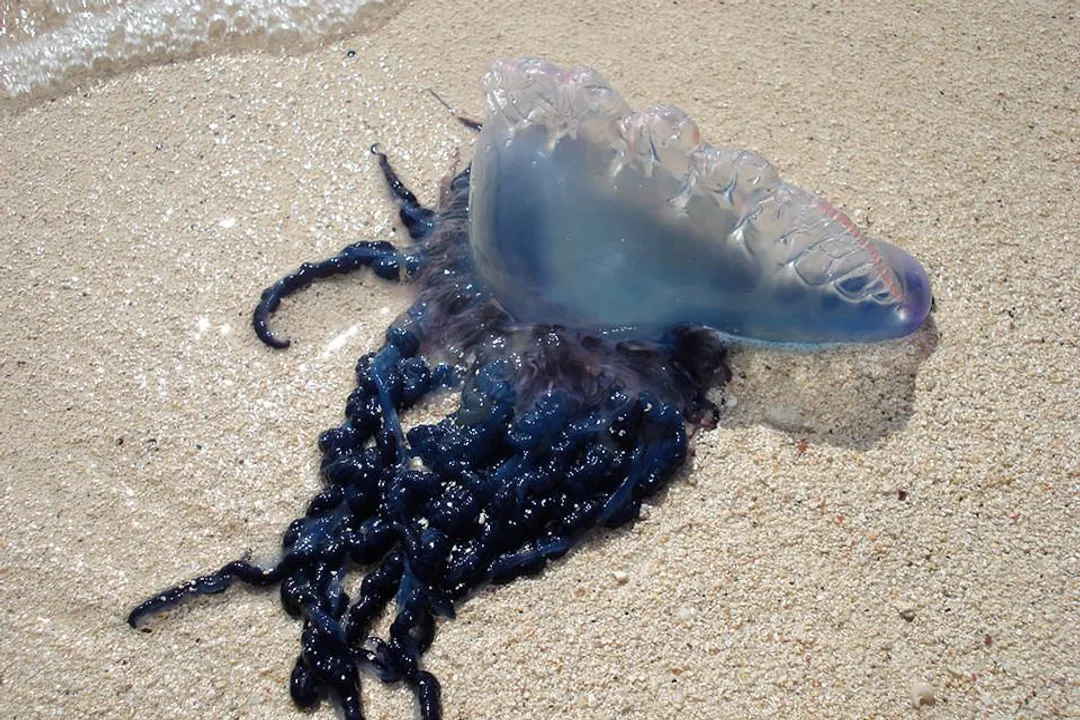
Once you are confident that the stinging cells are deactivated (by applying vinegar or another appropriate solution), the physical removal of the tentacles comes next. This must be done with care to avoid embedding the barbs further or causing them to fire.
Do not use your bare hands to remove the tentacles. [3] The recommended method involves using a tool to gently scrape or lift the material off the skin. Good options include:
- Using the dull edge of a credit card or plastic card. [3]
- Using tweezers to pick off visible strands. [3]
- Applying shaving cream and then gently scraping it off with a blunt object. [3]
If you are in an area where vinegar might not be immediately available, some protocols suggest scraping the tentacles off first if you cannot obtain vinegar, though the risk of secondary firing remains higher. [6] However, the sequence of deactivate then remove is generally preferred when possible. [4]
# Managing the Pain
The pain from a Portuguese Man-o'-War sting is often reported as being significantly worse than that of many other marine life encounters, sometimes requiring emergency medical assessment, as users on social media have attested. [2][8] Once the venomous cells are neutralized and the debris removed, the focus shifts entirely to pain relief.
The most effective, non-pharmaceutical treatment supported across several sources for pain management is the application of heat. [3][6][10] Submerging the affected area in hot water is crucial for breaking down the protein-based venom that causes the lingering pain.
The recommended temperature range is key:
- The water should be as hot as you can tolerate without causing a burn, generally cited as about (). [3]
- The immersion should last for about 20 to 45 minutes. [3][10]
This thermal treatment works by denaturing the venom proteins. If immediate immersion isn't possible, applying hot packs can offer temporary relief until you can reach appropriate water. [6]
An actionable tip for comprehensive care: Following heat treatment, the residual discomfort can sometimes be managed with over-the-counter medications. While sources primarily focus on heat, recognizing that the inflammatory response continues is important. Consider applying a topical analgesic containing lidocaine or a mild steroid cream after the area has cooled down post-heat therapy. This two-pronged attack—thermal breakdown followed by topical anti-inflammatory or anesthetic agents—can provide longer-lasting comfort than heat alone, especially for stings that leave a widespread, burning rash. [2]
# Aftercare and Monitoring
Even after the immediate crisis is managed with rinsing, deactivation, and heat, the site needs attention for several days. The sting often leaves a painful, whip-like rash.
Keep the wound clean to prevent secondary infection. For the next few days, monitor the site closely. While most stings heal without complication, severe reactions or signs of infection require professional medical attention. Seek help if you notice:
- Signs of infection, such as spreading redness, swelling, warmth, or pus. [10]
- Fever or chills. [10]
- Pain that is severe or does not diminish significantly after 24-48 hours.
- If the sting covers a large area of the body or involves sensitive areas like the eyes or mouth. [10]
While the immediate danger passes relatively quickly once the venom is neutralized, some individuals report that the resulting mark or irritation can linger for weeks. [2] For persistent itching or rash, non-sedating antihistamines may offer relief, though this is generally secondary to the primary heat treatment for acute pain.
# Treatment Comparison Summary
The confusion surrounding Man-o'-War first aid stems from conflicting historical advice versus modern scientific findings. [1][9] Below highlights the comparison between commonly discussed methods:
| Treatment Method | Recommended Action | Rationale / Status | Citation |
|---|---|---|---|
| Fresh Water Rinse | Avoid | Causes unfired nematocysts to discharge. | [3][10] |
| Seawater Rinse | Gentle rinse immediately | Washes away surface tentacles without triggering stings. | [3][6][10] |
| Vinegar Application | Apply liberally for 30 seconds | Deactivates unfired nematocysts. | [4][9] |
| Urine Application | Avoid / Not recommended | Less effective than vinegar for deactivation. | [9] |
| Tentacle Removal | Scrape with blunt edge | Physically remove inactivated stingers; avoid bare hands. | [3] |
| Pain Relief | Hot water immersion () | Denatures the protein-based venom causing pain. | [3][6][10] |
It is worth noting that scientific review of first aid procedures has called for better evidence supporting all current methods, but based on current understanding, the sequence of seawater, vinegar, scraping, and heat remains the most supported path for the public to follow. [1] This methodical approach addresses the venom injection source first, followed by symptomatic relief, ensuring you are treating the mechanism of injury before treating the symptom of pain. [4]
Related Questions
#Citations
SOEST scientists scrutinize first aid for man o' war stings
Man o War got me bad yesterday. Any healing suggestions? - Reddit
How to treat a Portuguese man-of-war sting - SurferToday.com
Stung by a Man O War! (Jellyfish) - YouTube
Name that Jelly! Daughter was stung tonight. - Facebook
How to Treat a Portuguese Man O War Sting – WANDERLUSTYLE
Portuguese Man-of-War (Bluebottle) - Divers Alert Network
Urine Luck: Vinegar Is the Best Treatment for a Man O' War Sting
Jellyfish Sting: Symptoms & Treatment - Cleveland Clinic