Which is an example of a micronutrient?
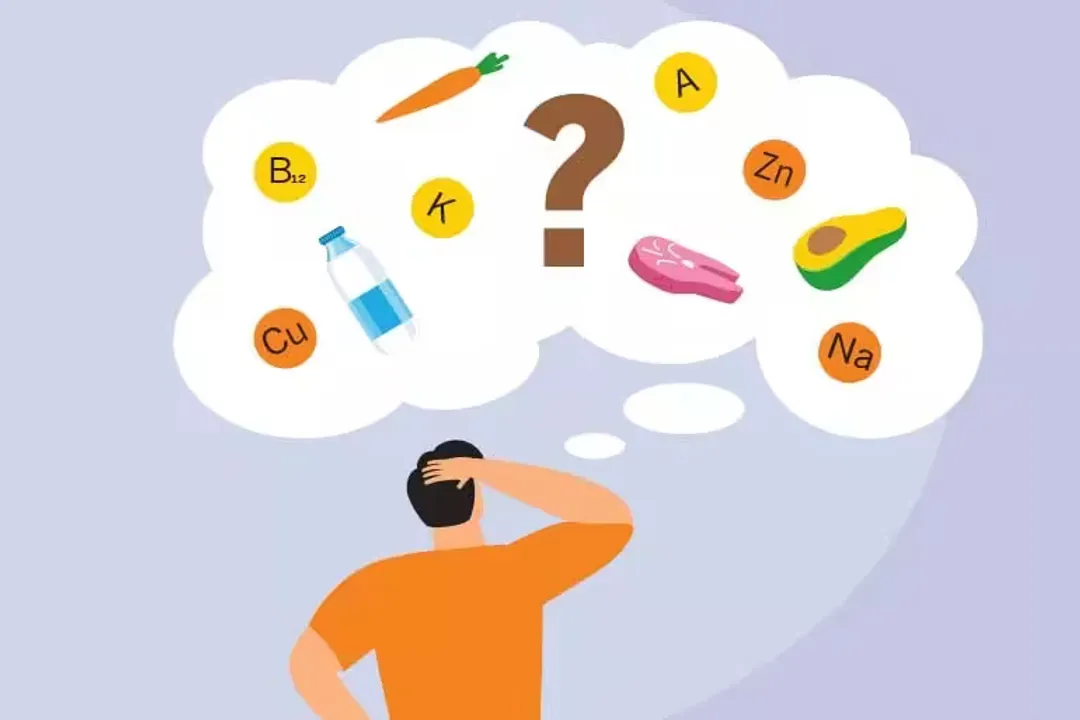
Micronutrients are the unsung heroes of human health, essential components we need in remarkably small quantities, yet their absence can lead to profound functional failure. Think of them as the specialized tools required for every intricate machine in the body to operate correctly. While we often hear about macronutrients—proteins, fats, and carbohydrates—which provide the bulk of our energy and structure, micronutrients perform critical regulatory roles. [5] An example of a micronutrient is Vitamin C, or Iron. [1][2] These nutrients, which encompass all vitamins and minerals, are categorized because the body cannot manufacture most of them; they must be sourced entirely from the diet. [3]
# Micro Versus Macro
The clearest way to understand the role of a micronutrient is by contrasting it with its counterparts, the macronutrients. Macronutrients are consumed in large amounts, typically measured in grams, because they supply the necessary calories for energy, structure, and tissue repair. [5] Carbohydrates, fats, and proteins fall into this group. [5]
Micronutrients, however, are measured in much smaller units—milligrams () or micrograms (). [3][5] Despite the small amounts required, they are vital for processes like immune defense, nerve communication, growth, and hormone production. [3] For instance, while a person might aim for 200 grams of carbohydrates daily, their requirement for Iron might only be 8 to 18 milligrams. [3][5] The body needs them to unlock the energy stored in the macronutrients, but they do not contribute calories themselves. [3]
# The Two Classes
Micronutrients are fundamentally divided into two major chemical groups: vitamins and minerals. [2][3] Understanding this basic distinction helps explain how the body handles them and why sourcing them differs. [3]
# Organic Compounds: Vitamins
Vitamins are organic compounds, meaning they are derived from living things, like plants and animals. [3] They can be broken down or degraded by external forces such as heat, acid, or air. [3] Because they are organic, the body needs them to act as coenzymes, helping trigger or support essential chemical reactions within the cells. [3]
Vitamins further split based on how they are absorbed and stored:
- Water-Soluble Vitamins: These dissolve in water and are not easily stored by the body. [3] If you consume more than you need in a short time, the excess is generally flushed out through urine. [3] Most B vitamins and Vitamin C fall into this group. [3] B vitamins, for example, are deeply involved in energy production by helping convert other nutrients. [3] Since they are not stored, a consistent daily intake is crucial. [3]
- Fat-Soluble Vitamins: These require dietary fat for proper absorption. [3] Once absorbed, they are stored in the body’s fatty tissues and the liver, meaning an excessive intake can lead to toxicity over time, unlike their water-soluble counterparts. [3] Key examples include Vitamins A, D, E, and K. [3][2] Vitamin D, for example, is unique as the body can synthesize it from sunlight, though this process is influenced by factors like geography and skin color.
# Inorganic Elements: Minerals
Minerals are inorganic substances originating from water or soil. [3] Since they are elemental, they cannot be broken down by heat or acid. [3] They are categorized based on how much the body needs:
- Macrominerals: Needed in relatively larger amounts than trace minerals, these include Calcium, Magnesium, Potassium, and Sodium. [3][5] Calcium, for instance, is fundamental for bone structure and also manages muscle function and blood vessel contraction. [3]
- Trace Minerals: These are required in smaller quantities, often measured in micrograms, but they remain absolutely essential. [3] Examples include Iron, Zinc, Iodine, and Selenium. [2] Iron is vital for oxygen delivery to the muscles and hormone creation. [3] Iodine is necessary for healthy cognitive development, especially during infancy and pregnancy.

# High-Impact Examples
To illustrate the specific importance of a micronutrient, consider a few standout examples that are frequently cited as critical for global and individual health:
| Micronutrient Example | Classification | Key Function | Example Deficiency Risk Group |
|---|---|---|---|
| Iron | Trace Mineral | Oxygen transport, hormone creation [3] | Preschool children, menstruating women |
| Vitamin D | Fat-Soluble Vitamin | Calcium absorption, immune system support [3] | Many populations due to limited sun exposure [3] |
| Folate (B9) | Water-Soluble Vitamin | Cell division; critical for early fetal development [3] | Women of reproductive age |
| Iodine | Trace Mineral | Thyroid regulation, cognitive development [3] | Pregnant and breastfeeding women |
| Zinc | Trace Mineral | Immune function, wound healing, growth [3] | Populations with dietary inadequacy |
The relationship between these tiny components and bodily outcomes is profound. For example, Vitamin A is linked directly to eyesight and immune function; deficiency dramatically increases a child's risk of blindness and death from common infections like measles.
# The Nuance of Intake and Absorption
While the definition of a micronutrient revolves around quantity (small amounts needed), true nutritional expertise shows that quality and context of intake are just as important. It is not simply about finding a food with a nutrient; it is about whether the body can actually use what is consumed. [3]
For instance, when looking at Iron, we see that just consuming iron-rich spinach may not be as effective as consuming iron from animal sources, like oysters or meat, due to differences in absorption rates between heme and non-heme iron. [3] This highlights that our bodies handle the inorganic minerals differently based on the chemical form they take in the food matrix. Similarly, the macromineral Calcium cannot perform its structural work effectively without adequate Vitamin D, which aids its absorption. [3] This interconnectivity means that deficiencies are rarely isolated; they often cascade through systems reliant on multiple micronutrients working in concert. [3]
A practical consideration often overlooked when reviewing basic nutritional charts is how factors like soil depletion or food processing can change the micronutrient density of what ends up on our plate. A carrot grown decades ago might have contained a higher concentration of trace minerals than one grown today, even if the serving size looks identical. This inherent variability underscores why relying on a variety of whole foods, rather than just a single source, is the safest strategy to ensure intake across the spectrum. [3]

# Beyond Deficiency: The Antioxidant Effect
Another vital aspect of micronutrients, particularly certain vitamins, is their protective capability. Several micronutrients act as antioxidants. [3] These substances help guard the body's cells against damage caused by unstable molecules known as free radicals, which are implicated in aging and the development of diseases like cancer and heart disease. [3] Vitamins A and C, for example, have been linked to a lower risk of certain cancers when consumed adequately. [3] Furthermore, adequate Selenium intake may decrease the risk of heart disease, with studies suggesting a significant risk reduction associated with higher blood selenium concentrations. [3]
This protective function is what makes meeting the Recommended Dietary Allowance (RDA) so critical, but it also raises questions about what happens when intake exceeds that recommendation.
# Navigating Excess: Toxicity Risk
Since micronutrients are essential, people sometimes assume that "more is better," particularly when it comes to supplements. However, this is where the difference between water-soluble and fat-soluble vitamins becomes critical. [3]
Water-soluble vitamins are generally safer in moderate excess because the kidneys can flush out what isn't used. [3] In contrast, fat-soluble vitamins (A, D, E, K) are stored in body fat and the liver. [3] Consistently taking very high supplemental doses of these fat-soluble vitamins can lead to a buildup that results in toxicity—a state where the nutrient causes harmful side effects. [3] Toxicity is rarely seen from food sources alone and is usually the result of high-dose supplementation. [3]
For example, while Vitamin D is vital, excessive intake can cause issues related to high calcium levels, which is why medical supervision is often advised for high-dose supplementation, especially for vulnerable groups like older adults who may already have lower absorption rates for B12 or Vitamin D. [3]
If you find yourself considering supplements to fill perceived gaps, remember that the safest route for most healthy individuals remains a diet rich in diverse foods. [3] If supplementation is deemed necessary—perhaps due to specific life stages like pregnancy (where folate is critical) or recognized dietary restrictions (like B12 for vegans)—it should ideally be monitored by a healthcare professional. [3]

# Contextualizing Needs
The concept of a micronutrient example extends beyond simple identification; it demands an understanding of population needs. For instance, the recommendation for Iodine intake is slightly different for women planning pregnancy compared to the general adult population, requiring proactive supplementation before conception to ensure optimal fetal brain development. Likewise, iron needs fluctuate drastically based on life stages, being higher for menstruating women due to blood loss and for growing children.
Understanding that specific examples of micronutrients—like Zinc—offer cost-effective interventions to reduce childhood illnesses like diarrhea and pneumonia in developing nations demonstrates their large-scale public health relevance far beyond individual dietary choices. Whether it is Zinc supporting a child's immune response or Folate preventing neural tube defects in an embryo, these required small amounts translate into massive societal benefits when requirements are met.
Related Questions
#Citations
Micronutrients: Types, Functions, Benefits and More - Healthline
List of micronutrients - Wikipedia
Micronutrient Facts | Nutrition - CDC
What Are Macronutrients and Micronutrients?
Which of the following is a micronutrient? | CK-12 Foundation