When should I be concerned about discoloration?

Observing a new spot or a change in the color of existing skin can certainly cause a moment of pause, leading many to wonder just how long they should monitor the situation before making an appointment. Skin discoloration, in its many forms, is incredibly common, ranging from harmless freckles to patches indicating an underlying issue. Understanding the nuances between the temporary and the persistent, or the cosmetic and the clinical, is key to managing this very visible aspect of our health. [2][7]
# Common Forms
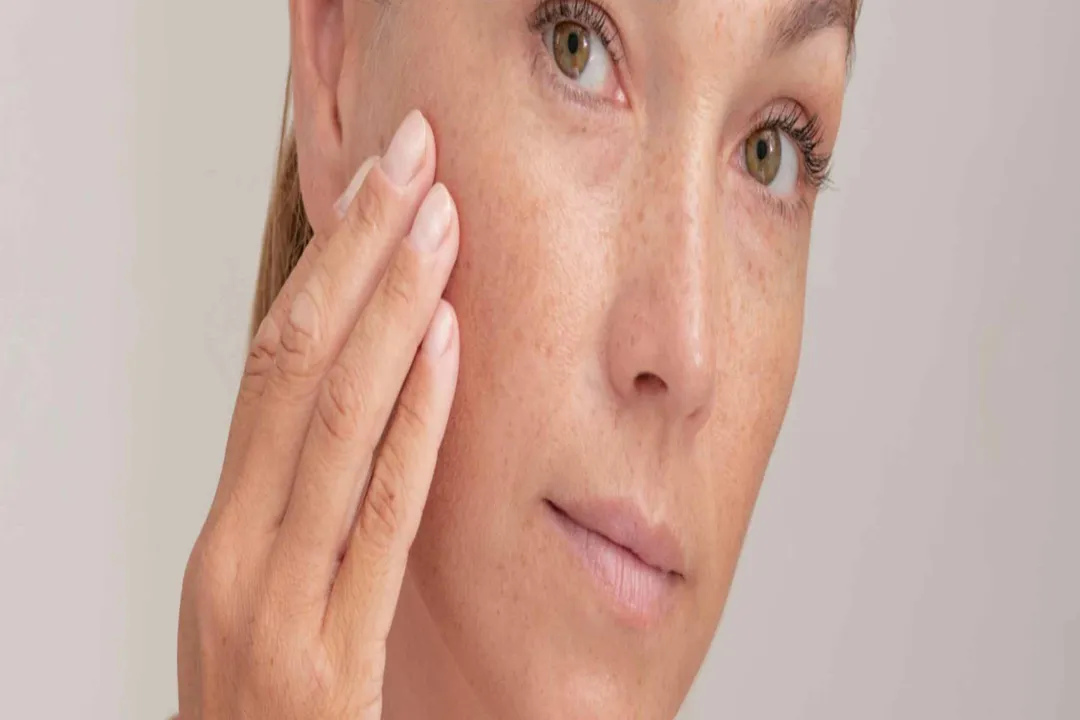
Skin color variations often fall into a couple of broad categories based on whether the skin has too much pigment or too little pigment. [1][7] When skin darkens, the medical term is hyperpigmentation, which means there is an excess of melanin, the pigment responsible for skin, hair, and eye color. [1][2] Conditions like melasma, which often involves brownish or grayish patches, commonly appear on the face and are frequently linked to hormonal changes or sun exposure. [1][2] Post-inflammatory hyperpigmentation is another frequent culprit, where darker spots remain after an injury, acne, or rash has healed. [2]
Conversely, when the skin lightens, it is referred to as hypopigmentation. [1] This occurs when the skin produces less melanin than usual. [1] Examples include the loss of color following a burn or skin condition, or conditions like vitiligo, which involves distinct white patches where pigment cells have stopped functioning. [1][7] A related, but distinct, presentation is depigmentation, which signifies a complete loss of pigment, resulting in stark white areas. [1]
Another presentation involves redness or flushing, which may indicate issues with blood vessels or inflammation, such as in rosacea or allergic reactions. [4] Bruises, for instance, start as dark red or purple due to blood pooling under the skin, changing color as the body breaks down the hemoglobin. [4]
# Causes Identified
The reasons behind these visible changes are varied, spanning environmental factors, internal bodily shifts, and physical trauma. [2][6] Sun exposure stands out as perhaps the most frequent driver of acquired discoloration. [5][6] UV radiation stimulates melanocytes—the cells that produce melanin—leading to tanning, but also to the appearance of what are commonly termed "sun spots," "age spots," or solar lentigines. [6] These tend to develop over time, especially on frequently exposed areas like the face, hands, and chest. [6]
Hormonal fluctuations are another significant factor. Pregnancy or the use of birth control pills can trigger melasma in susceptible individuals, often referred to as the "mask of pregnancy". [1][2] Medical conditions, including certain diseases, medications, or even allergic reactions to products, can cause skin discoloration as a symptom. [4][7] Furthermore, any form of skin injury, from a cut to a severe burn or even persistent friction, can result in the skin producing excess pigment as part of the healing cascade. [2] In contrast, some causes of lightening, like tinea versicolor (a fungal infection), actively interfere with the skin’s ability to produce pigment. [1]
# Appearance Triggers Concern
For the average person, the moment of concern usually arises from a change in pattern, texture, or rate of development rather than the mere presence of a spot itself. [3] The key is to distinguish between common, benign markings and those that warrant professional inspection. [3][9]
# Changes to Lesions
When assessing a mole or a spot that has been present for a while, dermatologists often use established criteria, commonly known by the mnemonic ABCDE. [3][9] This framework helps identify features that might suggest a need for immediate checking:
- A is for Asymmetry: If you were to draw a line through the center of the spot, the two halves would not match in shape. [3][9] Benign moles are typically symmetrical. [3]
- B is for Border: Look for borders that are irregular, scalloped, notched, or poorly defined rather than smooth and sharp. [3][9]
- C is for Color: A spot that contains multiple colors—shades of brown, tan, black, white, red, or blue—is more suspicious than a lesion that is uniform in color. [3][9]
- D is for Diameter: While many lesions are small, any spot larger than about 6 millimeters (the size of a pencil eraser) should be examined. [3][9] However, smaller lesions can still be concerning. [3]
- E is for Evolving: This is perhaps the most crucial factor. Any change in size, shape, color, elevation, or any new symptom like itching or bleeding warrants attention. [3][9]
It’s important to note that while the ABCDE rule applies primarily to melanoma, other conditions can present with concerning features, such as sores that won't heal or unusual growths. [4] Any spot that presents with multiple of these characteristics should prompt a call to a specialist. [3]
# Speed and Location
A sudden appearance of many new, dark spots in a short period, especially in an adult, often raises more flags than the slow, gradual accumulation seen over years of sun exposure. [6] If you notice an explosion of new brown spots, especially if they appear on sun-exposed areas, it warrants investigation to rule out rapidly developing pigmentation issues. [6]
When discoloration appears on the hands and feet, it sometimes warrants a different level of vigilance. [8] While dry skin or sun damage is common, new or changing pigmented lesions on the palms or soles should be checked promptly, as certain types of skin cancer have a higher incidence in these areas, even though they receive less direct sun exposure than the face or arms. [8]
A practical self-check I often recommend involves taking a baseline photo of your body, especially areas you don't see daily. If you notice a cluster of spots, compare the current look against a photo taken six months ago. If the cluster has aggressively darkened or spread in that short timeframe, that rapid evolution is a strong signal to seek an expert opinion sooner rather than later. [3]
# Distinguishing Benign Changes
Not every spot that darkens requires an emergency appointment. Many common discolorations stem from manageable, less serious processes. [4][5]
# Sun Damage vs. Irregularity
Freckles, technically ephelides, are a perfect example of common, harmless pigmentation. They are typically small, light brown, and appear after sun exposure, often fading in winter. [2][6] They rarely change in shape or color outside of seasonal variation and certainly do not exhibit the asymmetry or varied color of concerning lesions. [3] Lentigines (age or sun spots) are also common, but unlike freckles, they tend to remain the same color regardless of sun exposure, though they still represent accumulated sun damage. [6]
In contrast, you should feel more confident sticking to your regular skincare routine if the discoloration is:
- Uniform in appearance across the entire patch. [9]
- Stable in size and shape over many months. [3]
- Located in an area known for common sun damage without presenting unusual features. [6]
- Symmetrical when comparing its halves. [3]
For these common spots, the focus shifts from immediate concern to preventative care, which centers heavily on sun protection measures such as daily sunscreen application, seeking shade, and wearing protective clothing. [5]
# When To Seek Professional Advice
The decision to call a dermatologist often hinges on a few specific scenarios that move beyond cosmetic worry and into health monitoring. [3] You should make that call when you observe any of the criteria mentioned under the ABCDEs, but also consider these situations:
- Rapid Onset of Many Spots: As mentioned, a sudden cluster of new, dark spots appearing quickly warrants investigation to confirm they are benign solar lentigines and not something more aggressive. [6]
- Changes in Texture or Elevation: If a flat patch begins to raise up, become bumpy, or develop a scaly, rough surface, this structural change is a significant indicator that a professional evaluation is needed. [4][9]
- Symptoms Beyond Color: Discoloration accompanied by pain, persistent itching, tenderness, or ulceration (breaking open) should not be managed at home with over-the-counter creams alone. [3][4]
- Hypopigmentation That Spreads: If you have a patch of skin that is becoming noticeably lighter or white, and this lightening is spreading outward, it requires diagnosis to determine if it's treatable vitiligo, a fungal infection, or another cause. [1]
When you reach out to your provider, being prepared with a timeline is extremely helpful. Knowing when the spot first appeared, if it has changed, and what other products or conditions you have experienced recently provides valuable context for the practitioner. [3]
# Hand and Foot Specifics
While skin on the hands and feet is subject to the same general rules, the potential for specific lesions means extra attention is sometimes prudent in these areas. [8] If you notice a new dark spot on your palm or sole that is not clearly traceable to a recent injury or friction (like a new callus), it should be evaluated relatively quickly. [8] Certain forms of cancer, like acral lentiginous melanoma, have a predilection for these areas, making early detection there especially important. [8] If a mark on your finger or toe is darkening the nail bed or is under the nail, that is another specific scenario that requires prompt assessment by a physician. [8]
# Managing Discoloration Proactively
Whether your discoloration is deemed concerning enough for immediate action or is simply a cosmetic annoyance, prevention remains the cornerstone of skin health management. [5] Daily, broad-spectrum sunscreen with an SPF of 30 or higher should be a non-negotiable step in your morning routine, regardless of cloud cover or season. [5] This applies even to areas often overlooked, such as the backs of your hands and the tops of your feet, where spots frequently arise due to consistent, low-level exposure. [5]
For existing hyperpigmentation that is not medically suspicious but is bothersome, treatment options focus on reducing melanin production or increasing skin cell turnover. [5] Common approaches involve ingredients like retinoids, hydroquinone, or alpha hydroxy acids, though these should ideally be introduced under professional guidance, especially if you have sensitive skin or are using prescription products. [5] Comparing the efficacy of topical treatments can be tricky because of individual skin response; for example, a person with oily, acne-prone skin might see improvement from a retinoid-based product that addresses both the post-inflammatory marks and future breakouts, while someone with dry skin might find a gentler vitamin C serum more appropriate for brightening. [5][2]
When dealing with any form of discoloration—light or dark—avoiding further irritation is vital. If you suspect a reaction to a cosmetic product, discontinue use immediately and look for products marketed as hypoallergenic or free of common irritants. Continued scratching, picking, or aggressive scrubbing of a discolored area can only perpetuate the cycle of inflammation and subsequent hyperpigmentation. [2] The goal in managing any chronic skin change is to calm the skin while protecting it from the primary trigger, which in the case of most acquired spots, is sunlight. [5]
Related Questions
#Citations
Skin Discoloration: Symptoms and Treatment
Discolored skin patches: Pictures, and when to see a doctor
Spots & Discoloration: How to Know When to Get Checked by A Derm
Skin Discoloration – Riverside Medical Care, Urgent ... - PromiseCare
Skin Discoloration: How to Treat & Prevent
Brown Spots Suddenly Appearing on Skin - Pacific Derm
Skin Discoloration: Causes, Pictures, and Treatment - Healthline
When to Worry About Hand and Foot Discoloration - VIE
Skin Discoloration Brecksville OH