What two supplements should not be taken together?
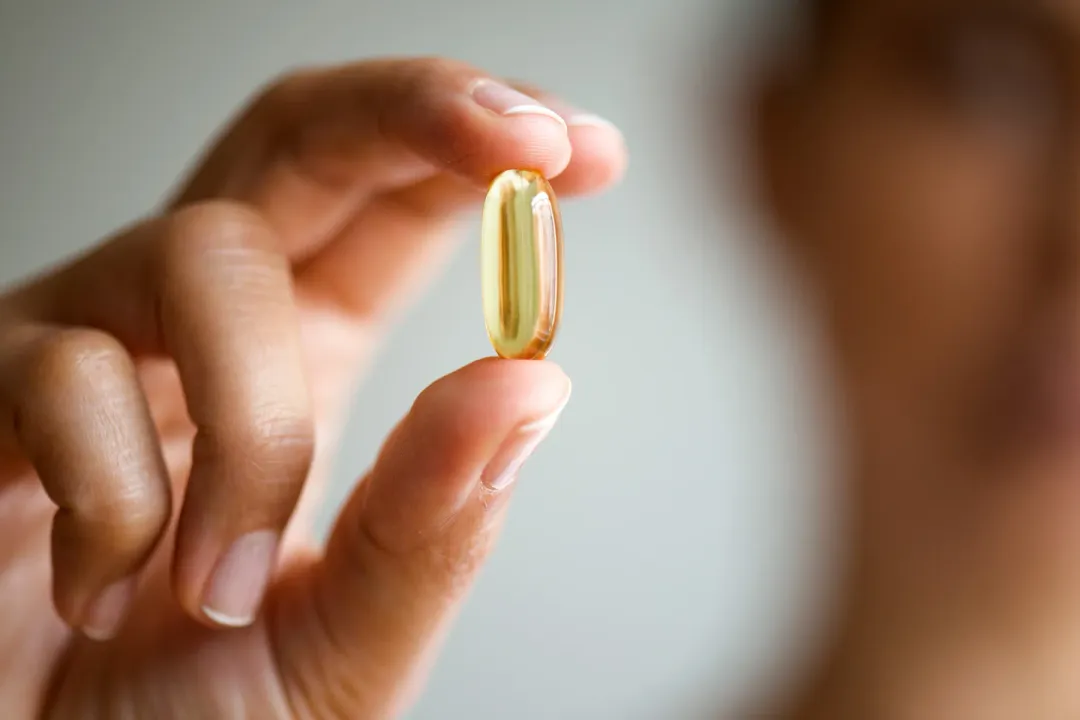
Taking supplements is incredibly common, with the majority of Americans using at least one product to cover perceived nutritional gaps or support specific health goals. [3] While self-care through supplementation is popular, simply tossing a handful of pills into your mouth at once is often counterproductive, and sometimes outright risky. The issue isn't just about getting too much of one nutrient; it's often about what you take when you take it, as many compounds compete for the same limited pathways in your digestive system or actively negate each other’s benefits. [2][9] Understanding these duos that clash is key to ensuring your investment in wellness isn't wasted—or worse, harmful.
# Mineral Competition

Perhaps the most frequent conflict among supplements involves minerals, which rely on similar transporters to cross the intestinal barrier into the bloodstream. [1][9] When several minerals are introduced simultaneously in supplemental doses, they engage in a molecular traffic jam, often resulting in reduced absorption for all participants. [1][7]
This competition is a major factor when considering bone health and immune support. For instance, taking Calcium and Iron together is consistently flagged as problematic. [2][3][5] Calcium is a known inhibitor of non-heme iron (the form found in supplements and plant sources), effectively blocking its uptake in the intestines. [3][7] If you are treating an iron deficiency, pairing it with a calcium supplement or a calcium-rich meal like milk will significantly undermine your efforts to raise iron levels. [2][5]
The mineral cross-talk doesn't stop there. Calcium also competes with Zinc and Magnesium for absorption. [1][2][7] Zinc supports immune function and healing, while Magnesium is vital for muscle and nerve function, but if you take them at the exact same time as Calcium, you decrease the amount of each your body can actually utilize. [1][7]
It is worth noting that when minerals are present in a standard multivitamin, this issue is less pronounced because the individual doses are usually much smaller and more balanced than when taking targeted single-mineral supplements. [2][5] However, if you are specifically dosing up on bone builders like Calcium, or immune boosters like Zinc, spacing them out becomes essential. [3]
Digging deeper into mineral interactions reveals an even more intricate balance: Zinc and Copper are locked in a similar absorption struggle. [1][2][8] While minor doses are generally fine, long-term, high-dose Zinc supplementation, particularly over the Tolerable Upper Intake Level () of per day for adults, has been shown to impair copper absorption, potentially leading to a copper deficiency, which can manifest as anemia or muscle weakness. [1][3] Similarly, Magnesium and Zinc compete for intestinal absorption, making timing critical, especially with high doses. [7] To manage this, one dietitian suggests taking Zinc with food to avoid nausea, perhaps in the morning, and reserving Magnesium—a mineral often associated with relaxation—for the evening. [7]
When you consider the cumulative effect, the problem isn't always the pair, but the grouping. If a user takes a high-potency Calcium, Magnesium, and Zinc supplement all at once for 'all-around' support, they are essentially forcing three distinct absorption pathways to handle three molecular traffic jams simultaneously. A better strategy, if high doses are required, is to split these three minerals across the day—perhaps Calcium at breakfast, Zinc at lunch, and Magnesium at dinner—to give each mineral a clear window for uptake.
# Bleeding Concerns

Another critical area of concern involves supplements that affect blood clotting. Several substances possess natural blood-thinning properties, and when taken together or alongside prescription anticoagulants, the risk of bruising or severe bleeding significantly increases. [1][5]
One prominent conflict involves supplements that inhibit platelet function. High-dose Fish Oil (Omega-3s) and Ginkgo Biloba both have this mild blood-thinning effect. [1] Combining them can stack these effects, increasing the overall risk of bleeding. [1][3] This is particularly concerning for anyone already taking prescription blood thinners like Warfarin, or even common over-the-counter medications like aspirin. [1][5]
The herbal category is rich with agents that warrant caution in this regard. Ginkgo Biloba, like fish oil, raises bleeding risk when combined with anticoagulants. [5] Goldenseal is another supplement that, when paired with anticoagulants, can lower the body’s ability to clot, leading to easy bruising or bleeding. [5] Other herbs, including garlic, ginger, turmeric, and ginseng, are also noted to share this blood-thinning characteristic, meaning they should be grouped carefully, especially before any scheduled surgery. [1] If you use these agents, consulting a provider about alternating doses or pausing them prior to a medical procedure is prudent. [1]

# Nutrient Masking and Counteraction
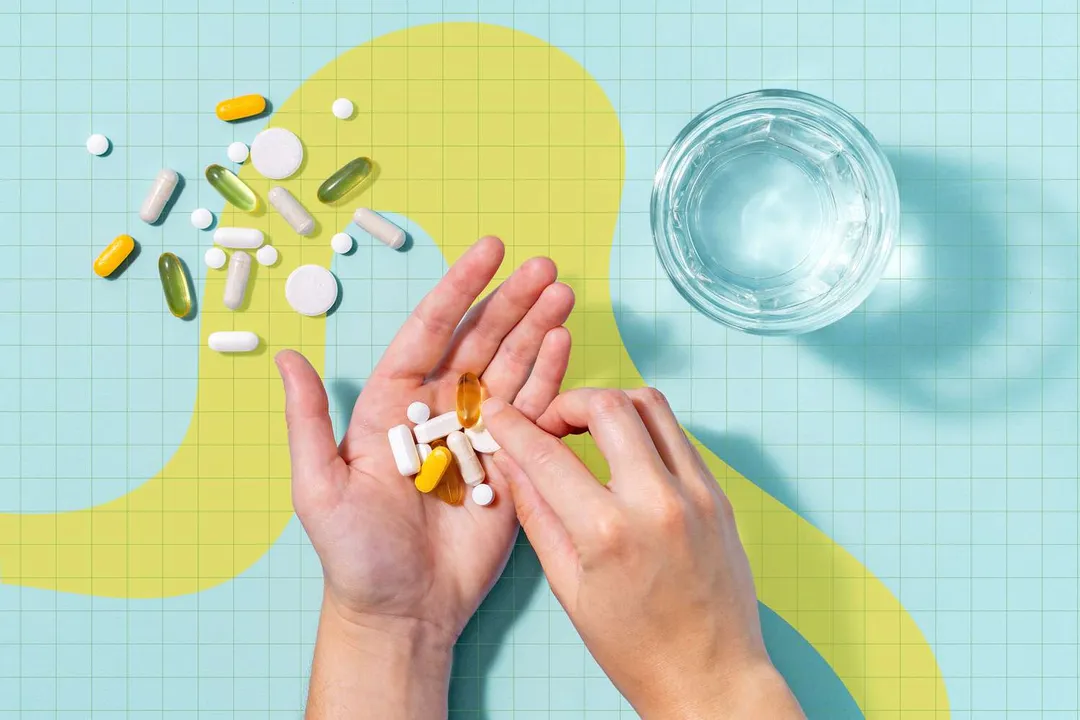
Beyond competition, some supplements directly interfere with the body's ability to process or utilize another specific nutrient, even if they don't compete in the gut.
The interaction between Vitamin C and Vitamin B12 is a classic example. While Vitamin C is an antioxidant many take for immune support, high doses of it may actually reduce the amount of Vitamin B12 your body successfully absorbs and metabolizes. [2][4] To mitigate this, experts generally advise spacing the intake of these two water-soluble vitamins by at least two hours. [2][3]
A different kind of conflict exists between Folic Acid (Vitamin B9) and Vitamin B12. While B vitamins generally work well together, taking high amounts of folic acid can deceptively mask the symptoms of a true Vitamin B12 deficiency. [4] If B12 deficiency is present, the Folic Acid may make you feel less fatigued, preventing you from seeking the necessary diagnosis and treatment for the underlying B12 issue. [4]
In the fat-soluble category, Vitamin E and Vitamin K represent a counteractive pair. Vitamin K is essential for proper blood clotting, and some individuals take a supplement to ensure this process is supported. [4] However, taking Vitamin E supplements concurrently can counteract the effects of Vitamin K, potentially compromising clotting ability. [4][8]
Even something as common as tea can interfere with a supplement. The antioxidants in Green Tea bind with Iron, lessening the positive impact of the iron supplement. [3][8] If you enjoy green or black tea, it’s best to wait about two hours after taking your iron supplement before having your cup. [3][9]
# Binding Agents and System Effects

One supplement acts as a broad-spectrum absorption blocker: Activated Charcoal. This substance is popular for digestive relief, but because it is designed to bind to substances, it will non-selectively bind to nearly any vitamin or mineral you take alongside it, severely impacting absorption. [1] If you use activated charcoal, the recommendation is to separate it from all medications and supplements by a window of two to four hours. [1]
On a more unique note, Biotin presents a risk that isn't related to nutrient competition but to diagnostic accuracy. Taking Biotin, a favorite for hair and nail health, can cause laboratory machines, particularly those analyzing thyroid function, to return incorrect results. [1] This means that if you are taking Biotin, you may need to temporarily stop it a few days before any blood work to ensure your doctor receives accurate data for decision-making. [1]
Herbal supplements, particularly those affecting mood, require diligent management. St. John's Wort, often used for mood support, can elevate serotonin levels. [7] Combining it with other serotonin-boosting supplements like 5-HTP or SAMe can lead to an excessive rise in serotonin, a potentially dangerous condition. [7] Furthermore, combining St. John's Wort with Ginseng might overstimulate the central nervous system, resulting in agitation or rapid heart rate. [7] Given its wide-ranging interactions with prescription drugs as well, some experts suggest avoiding St. John's Wort entirely if you are on any prescribed medications. [4][5]
# Solubility Scheduling Conflicts
Beyond specific chemical conflicts, the fundamental nature of a vitamin—whether it is fat-soluble or water-soluble—dictates how it is absorbed, which often creates necessary timing separations.
Water-soluble vitamins, such as the entire B-complex family (including B12, Folate, Niacin) and Vitamin C, dissolve in water and the body does not store excess amounts, flushing them out via urine. [2][5] These are generally best taken daily with water. [6] However, a complication arises with B12: while it is water-soluble, its absorption is actually better facilitated when taken with a meal, which puts it at odds with Vitamin C, which is best taken away from food to avoid stomach upset. [2][6]
Fat-soluble vitamins—A, D, E, and K—require the presence of dietary fat to be absorbed effectively by the body's fatty tissues. [2][5] Therefore, they should never be taken on an empty stomach; ideally, they accompany a meal containing healthy fats like avocado or nuts. [2][6]
While it seems logical to take all your water-soluble vitamins together and all your fat-soluble vitamins together, the reality is more complex when you look at specific pairs. For example, taking Vitamin D (fat-soluble) with Vitamin B12 (water-soluble) is generally safe, but the timing must align with their respective needs: Vitamin D needs food, while B12 is best taken away from Vitamin C (which is often taken concurrently). [3]
# Guiding Your Regimen
The complexity of supplement interactions underscores a vital rule: Natural does not automatically equal safe. [9] Since the FDA does not regulate supplements with the same rigor as prescription medications, the onus falls on the consumer and their healthcare team to manage these combinations. [7]
When navigating which two supplements should not be taken together, the answer often lies in three strategies:
- Separate the Competitors: Ensure minerals that compete (like Iron and Calcium) are spaced by at least two hours. [2][3]
- Separate the Modifiers: Keep binders like Activated Charcoal far away—four hours is a good buffer—from everything else. [1]
- Align with Meals: Separate fat-soluble vitamins (with food) from water-soluble vitamins taken on an empty stomach (unless B12 is the priority, which needs food, but then must be separated from Vitamin C). [6]
For anyone taking prescription medications, the need for caution multiplies, as interactions can reduce drug effectiveness or cause dangerous side effects. [4][5] For example, Iron, Calcium, or Magnesium can interfere with thyroid medication absorption if taken within a four-hour window. [5][9] Ultimately, creating a successful, non-conflicting supplement schedule requires mapping out your entire routine. Keeping a detailed log of what you take and when can be a surprisingly powerful tool to show your doctor or pharmacist, allowing them to spot these clashes before they impact your health or nullify your efforts. [6]
Related Questions
#Citations
What Vitamins Shouldn't Be Taken Together? | Nature Made®
5 Supplements You Should Never Take Together - Health
What vitamins should not be taken together? - SingleCare
9 Dangerous Supplement and Medication Interactions to Avoid
Is it possible to take too many vitamins? | Ohio State Health ...
Supplement Smarts: Best Ways to Take Different Vitamins - WebMD
7 Supplement Combos You Should Never Take Together - EatingWell
What Vitamins and Supplements Should Not Be Taken Together?
Taking Supplements? Watch Out for These Common Interactions