Which formulation route is available for Baclofen therapy, specifically for severe, unresponsive spasticity?
Answer
Intrathecal administration directly into the spinal fluid.
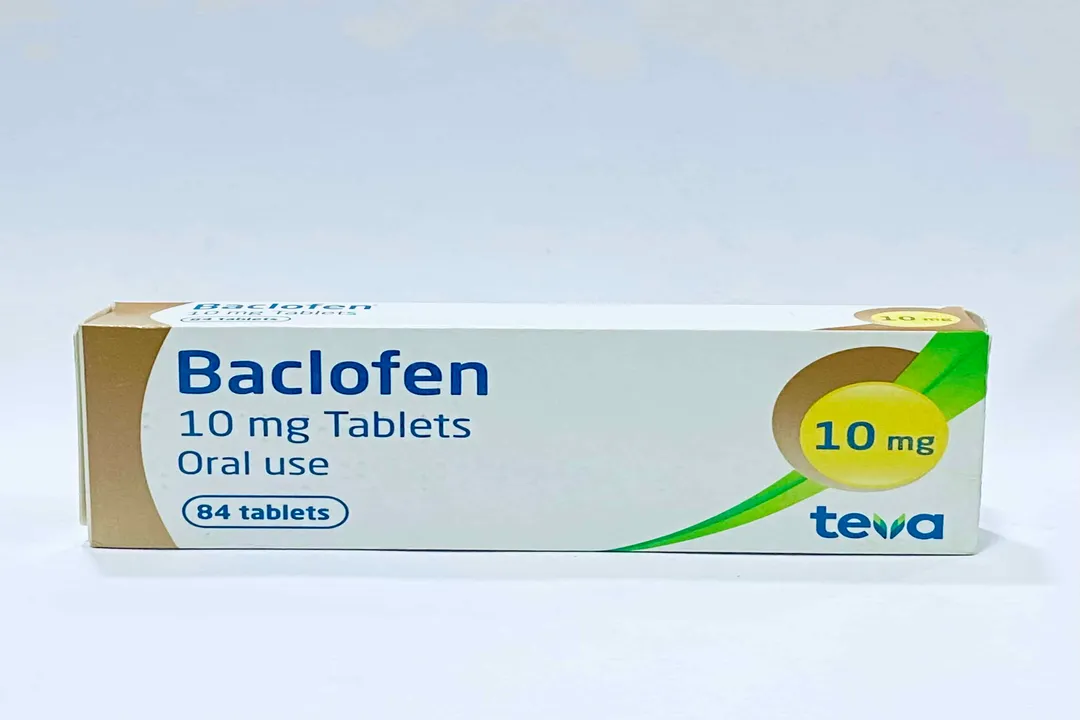
Baclofen offers flexibility in administration tailored to the severity of the patient's condition. While it is generally administered orally for chronic management, for cases of severe spasticity that do not respond to oral therapy, intrathecal administration is an available option. This involves delivering the medication directly into the cerebrospinal fluid surrounding the spinal cord, providing localized, concentrated action. This route is highlighted as not being standardly used for diazepam, which is available orally, intravenously, or via rectal gel, but typically not intrathecally in standard practice.
Related Questions
Which receptor complex does Diazepam bind to, enhancing the effects of the primary inhibitory neurotransmitter?What is the fundamental difference in receptor classification between Baclofen and Diazepam?What is the predominant medical indication for Baclofen, contrasting with Diazepam's primary uses?Which formulation route is available for Baclofen therapy, specifically for severe, unresponsive spasticity?What physiological outcome results from Diazepam binding to the GABA-A receptor complex?Which specific side effect profile is generally more pronounced due to Diazepam's action via the GABA-A enhancement?When discontinuing long-term Baclofen therapy abruptly, what severe reaction, distinct from standard benzodiazepine withdrawal, can occur?Which organ system is primarily responsible for clearing Baclofen from the body, necessitating caution in related impairment?For what acute medical events is the rapid onset of Diazepam often prioritized over Baclofen's slower oral action?How does Baclofen primarily act on motor neurons to reduce spasticity at its main site of action?