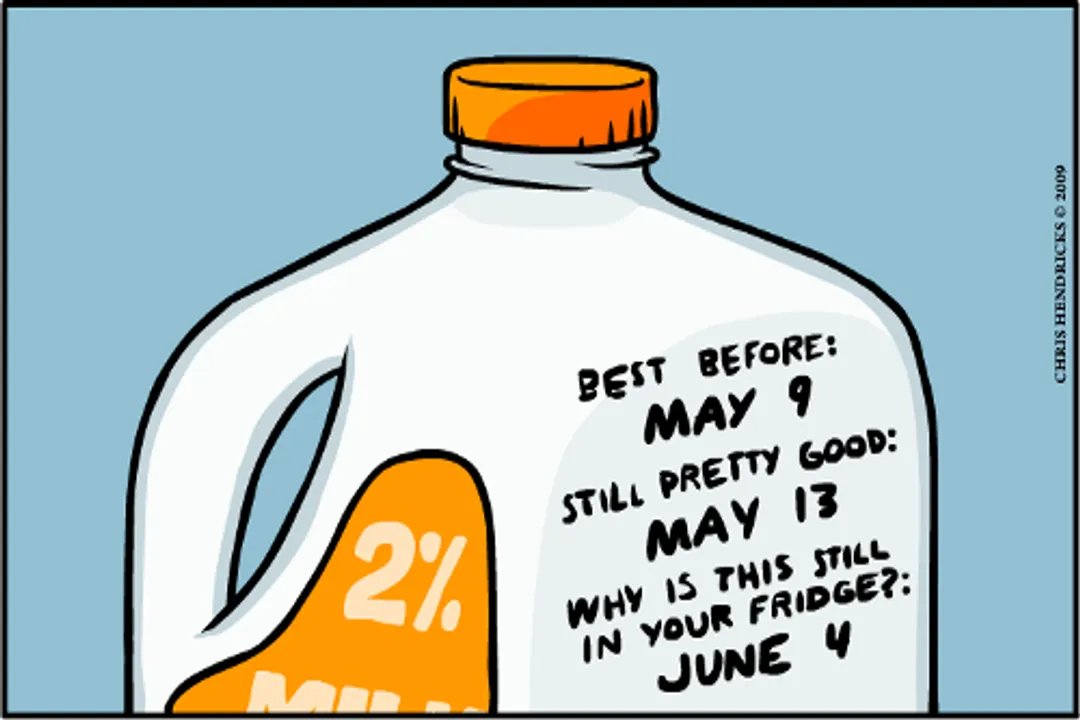
For most food products regulated by the FDA and FSIS, dating primarily indicates quality, but what is the primary exception mandated by this distinction?
Infant formula.
When examining shelf life in the context of food regulation overseen by both the FDA and the FSIS, there is a critical differentiation made between dates indicating peak quality and dates reflecting mandatory safety standards. For the vast majority of processed foods and beverages, the dates stamped on packaging, such as 'sell-by' or 'use-by,' serve as guidance for maintaining optimal sensory attributes, texture, and nutritional value, meaning the product might remain safe even if quality has declined. However, infant formula is explicitly cited as the singular, primary exception where the dating convention is tied directly to safety mandates, not just quality preservation, due to the unique nutritional needs and vulnerabilities of infants.