What is the FDA definition of shelf life?
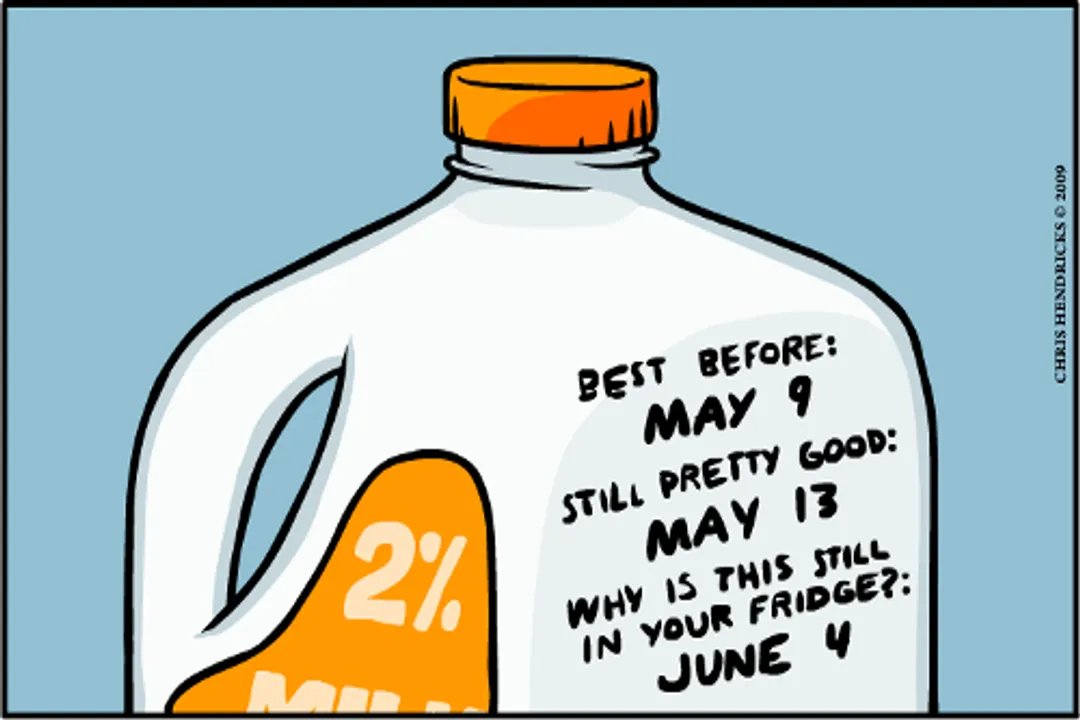
The concept of shelf life, viewed through the lens of the U.S. Food and Drug Administration (FDA) and related agencies like the USDA Food Safety and Inspection Service (FSIS), is not a single, monolithic rule but rather a collection of scientifically grounded timelines tailored to the product category. Fundamentally, shelf life represents the maximum time a commodity can be stored while remaining fit for its intended use, consumption, or sale. However, what constitutes "fit for use" shifts significantly depending on whether you are looking at a pharmaceutical, a medical implant, or a jar of pickles.
# Drug Guarantee
For drug products, the FDA’s definition of shelf life is intrinsically tied to the expiration date printed on the label. This date represents the guaranteed period during which the drug is known to remain stable—meaning it retains its established strength, quality, and purity—provided it is stored precisely according to the labeled conditions. The FDA requires drug applicants to submit stability testing data to support any proposed expiration date and storage conditions during the approval process. This scientific justification is key, as stability testing verifies that the product will meet its established standards over time.
It is worth noting that while the FDA does not typically conduct stability testing to extend consumer-held expiration dates, it does support the Shelf-Life Extension Program (SLEP) for select products in federal stockpiles. The general findings from studies like SLEP suggest that many drugs remain safe and effective well past their labeled dates, but this is conditional on ideal storage, which consumer products may not always receive.
# Pharmaceutical Terminology
To manage the complexities of stability science and regulatory expectations, experts within the pharmaceutical stability working groups propose differentiating between several concepts that are often vaguely grouped under the single term "shelf life". Understanding this distinction shows that the labeled expiration date is an intersection of scientific measurement and regulatory conservatism.
The five terms necessary for clear discussion include:
- True Shelf Life: This is the actual, but unknowable, storage time the drug product will remain fit for use and effective. It is this value that stability studies aim to estimate.
- Estimated Shelf Life: This is the estimate of the true product shelf life derived from the data gathered during a formal stability study.
- Supported Shelf Life: This is a suitably conservative estimate of the true product shelf life, derived through statistical calculations designed to ensure a high proportion of the product remains fit for use up to that time point.
- Maximum Shelf Life: This is a regulatory constraint—the maximum extrapolation allowed beyond the measured time in the stability study, often dictated by decision trees within International Council for Harmonisation (ICH) guidance documents like ICH Q1E.
- Labeled Shelf Life: This is the final date placed on the package, defined as the shorter of the supported shelf life and the maximum shelf life.
This tiered approach highlights a crucial difference between pharmaceutical quality assurance and simpler quality metrics. The statistical methodology often employed (the fixed-batch model suggested by early ICH guidelines) often means the estimated shelf life is dictated by the "worst-case" batch in the study, which runs counter to the goal of making inferences about the entire production process. An alternative, random-batch model attempts to account for among-batch variation, allowing inferences about future product quality, defining the true product shelf life as a lower pth quantile (e.g., 5th percentile) of the distribution of batch shelf lives. This statistical modeling underscores that the FDA-accepted expiration date is a projection of quality assurance, not just a measure of a single sample's endurance.
# Device Integrity
For medical devices, the FDA defines shelf life as the period during which the device maintains its specified safety, quality, and intended function when stored as directed. An expiration date on a device marks the termination of that shelf life. Unlike drugs, where potency is the primary concern, medical device shelf life must account for a broader set of potential failures based on the device's complexity.
The determination process requires manufacturers to analyze susceptibility to degradation that could lead to functional failure, especially for devices treating life-threatening conditions, where the failure rate must approach zero within the labeled shelf life. For simpler items like tongue depressors, assigning a shelf life might not be deemed reasonable due to the low risk of time-dependent failure.
The stability criteria used to establish a medical device's shelf life, adapted from pharmaceutical stability evaluations, generally cover six categories:
- Chemical: Degradation of components or interaction between components/packaging that alters safety or performance.
- Physical: Changes in measurable characteristics like appearance, elasticity, tensile strength, or electrical resistance.
- Microbiological: Primarily focused on maintaining sterility, which is heavily dependent on package seal integrity for sterile devices.
- Therapeutic/Toxicological: Changes in diagnostic/therapeutic ability or the formation of adverse toxic degradation byproducts.
- Biocompatibility: Ensuring the material interaction with the body remains safe over time.
Factors heavily influencing this timeline include the materials used, the sterilization method (e.g., ethylene oxide versus steam), and critically, the packaging system, which must maintain sterility and protect against environmental factors. Manufacturers often use both real-time aging (at ambient conditions) and accelerated aging studies (under extreme stress conditions) to support their shelf life claims, with accelerated results requiring confirmation by real-time data.
A key insight when comparing the regulatory approaches for drugs and devices is the difference in focus regarding package interaction. While both sectors consider packaging critical, FDA guidance for medical devices explicitly stresses the device and packaging interaction for chemical, physical, and microbiological stability. For instance, in contact lens solution stability testing, the ratio of solution volume to container surface area is analyzed because it affects chemical degradation, leading to a policy that stability cannot be proven in a smaller container size than what was tested. This level of specific material-package interaction analysis is less commonly highlighted as a specific criterion in general drug stability guidance, where the drug product in its marketed container-closure system is the standard focus.

# Food Dating Quality Versus Safety
When shelf life intersects with food products regulated by the FDA and FSIS, the distinction between quality and safety becomes paramount for consumers. For most food products, dating is a quality indicator, not a safety mandate, with the primary exception being infant formula.
Shelf life, in the context of food and beverages, is defined as the duration for which the product retains its desired sensory, chemical, physical, and microbiological properties while remaining acceptable to the consumer.
For shelf-stable products—like commercially canned goods, retort pouches, and dry foods—the goal of processing is to destroy foodborne microorganisms and inactivate enzymes.
- Canned Goods: If processed correctly using heat and pressure to create a vacuum seal, many low-acid canned goods are considered safe indefinitely, though quality (taste, texture, nutritional value) degrades over years. The storage conditions are vital; high heat accelerates chemical reactions that degrade the contents.
- Retort Pouches and MREs: These utilize commercial sterilization, similar to canning, making them shelf-stable, but their useful life is highly temperature-dependent. For example, an MRE stored at might only be good for one month, while at , it could last seven years or more.
While FSIS mandates packing codes for tracking and recall, calendar dates like “use-by” or “sell-by” are often for peak quality. An expiration date on a non-sterile food item usually signals that the quality is no longer guaranteed, even if the product remains safe to eat if stored properly.
An important actionable tip for consumers managing household inventory is to recognize that for shelf-stable, commercially sealed goods, the primary enemies post-purchase are temperature extremes and physical damage. While a "sell-by" date is a manufacturer’s suggestion for peak quality, a bulging, heavily rusted, or severely dented can bypasses all established quality parameters and should be discarded immediately due to the potential, albeit rare, risk of deadly Clostridium botulinum contamination. In contrast, a drug or device requires strict adherence to the printed date because degradation may lead to loss of efficacy or toxic byproducts, which are far harder for a layperson to detect than a swollen can.
# Governing Parameters
Across all regulated categories—drugs, devices, and food—the determination of shelf life hinges on controlling the same fundamental environmental and intrinsic product variables. Manufacturers must establish written procedures detailing how these variables are controlled, monitored, and documented.
The universal factors that dictate how long a product maintains its FDA-defined acceptable state include:
- Storage Conditions: Temperature, humidity, light exposure, and ventilation are critical, as temperature fluctuations often double chemical reaction rates for every rise, accelerating degradation in all product types.
- Packaging Integrity: The barrier properties of the packaging must be proven to maintain the internal environment (e.g., keeping sterile devices sterile or blocking oxygen/moisture from food/drugs).
- Product Composition and Manufacturing: The nature of the active ingredients, excipients, materials, or food matrix itself determines the rate of intrinsic chemical or physical change.
A key difference in establishing shelf life based on these factors lies in the consequence of failure. For a drug, failure means reduced strength or toxic breakdown products. For a sterile medical device, failure means loss of sterility or mechanical function. For food, failure can range from an unappealing texture in high-acid foods to fatal toxin production in improperly canned low-acid foods.
To maintain consistency, manufacturers often perform stability studies using samples from the first few production batches to set initial storage conditions and expiration dates. For instance, device manufacturers are advised to evaluate the effect of their chosen sterilization procedure on the device's nonsterility aspects, acknowledging that the process itself can affect the final shelf life. This holistic view—linking process to final dated product—is a hallmark of modern FDA oversight, whether it is enforcing Current Good Manufacturing Practice (CGMP) for drugs and devices or verifying safe processing for shelf-stable foods.
Ultimately, the FDA definition of shelf life serves as the scientifically determined period of assurance. Whether codified via an expiration date on a life-saving medication, a sterility date on a surgical tool, or a "best if used by" date on a nutritional supplement, it is a commitment that the product, if treated exactly as directed, will meet the necessary standards of safety and performance throughout that stated time frame.
Related Questions
#Citations
Expiration Dates - Questions and Answers - FDA
Shelf life - Wikipedia
Regulations in Shelf Life Extension of Food Products
FDA Medical Device Shelf Life ISO Standards & Guidance
Shelf-Stable Food Safety
On the Shelf Life of Pharmaceutical Products - PMC - PubMed Central