What is an example of contraindicated?
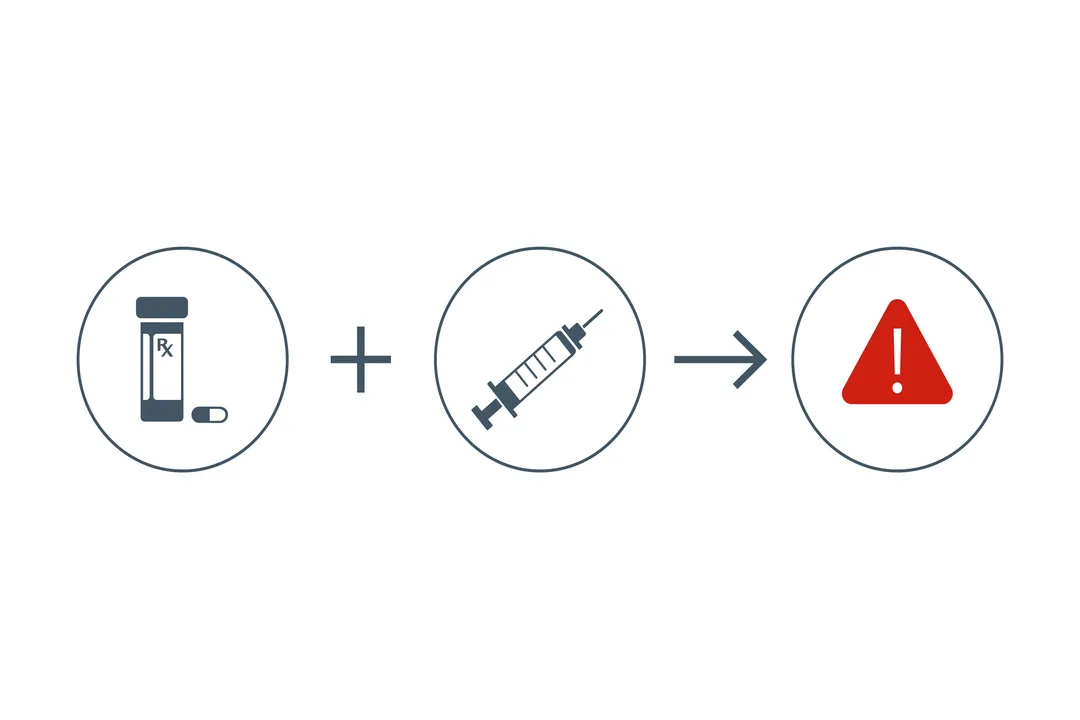
This concept, at its heart, is about professional caution and risk management within medicine and research. When something is deemed contraindicated, it means there is a specific circumstance, condition, or concurrent treatment that makes using a particular medical intervention—be it a drug, procedure, or even a research study itself—inadvisable because it carries a significant potential for harm. [1][2][3] It is a clear signal to pause and reassess the intended action against the patient's current state.
# Defining Term
In its most straightforward definition, a contraindication is a reason why a specific course of action should not be followed. [2] The word itself implies opposition or a barrier to proceeding. In the context of healthcare, this barrier arises because the potential negative impact on the individual is judged to be greater than any anticipated benefit. [2] Researchers, for instance, meticulously check for contraindications before enrolling a participant; this ensures that the study intervention won't harm someone who already has a pre-existing condition or is taking a medication that would conflict with the study's protocol. [1]
A common way to understand the severity of this warning is by separating contraindications into two distinct categories: relative and absolute. [2][3] This distinction is critical for clinical decision-making.
# Absolute Relative
The difference between an absolute contraindication and a relative contraindication dictates the level of risk accepted by the healthcare team and the patient.
An absolute contraindication represents the most severe warning. This is a situation or condition where the use of a treatment or procedure must be avoided entirely because doing so could result in a life-threatening situation or severe, irreversible harm. [2] There is no scenario, under normal clinical practice, where the benefit outweighs the risk because the risk is catastrophic. [2] A classic, often-cited example is the use of the drug isotretinoin (a strong acne treatment) during pregnancy; due to the high risk of severe birth defects, it is absolutely contraindicated because the potential harm is too great. [2]
Contrast this with a relative contraindication. This means that while caution is strongly advised, the intervention might still be acceptable if the potential benefits clearly outweigh the known risks for that specific individual. [2] Think of two medications that both have blood-thinning properties, like warfarin and aspirin. Generally, taking them together is relatively contraindicated because it significantly increases the risk of dangerous bleeding. [2] However, if a patient has a very high, immediate risk of a major clot that only a combination therapy can address, a clinician might deem the benefit justifies the heightened risk, managing the patient closely as a result. [2] The decision-making process here involves careful weighing and often requires specialized consultation.
To help illustrate this decision spectrum, consider how these levels influence immediate action:
| Contraindication Type | Required Action | Potential Outcome If Ignored |
|---|---|---|
| Absolute | Avoid the treatment/procedure entirely. | Life-threatening event or severe, permanent injury. [2] |
| Relative | Proceed only if benefit significantly outweighs known risk; requires intense monitoring. | Increased adverse events, unpredictable or amplified side effects. |
When you encounter a relative contraindication, it transforms the treatment plan from a simple prescription into a calculated risk assessment, something often documented meticulously in progress notes. [1]

# Clinical Application
The practical application of identifying contraindications is fundamental to patient safety and forms a cornerstone of responsible medical practice, whether in a routine clinic visit or a complex clinical trial setting. [1][2] This concept extends beyond just drug-drug interactions; it covers drug-disease interactions, drug-age interactions, and even device-procedure interactions.
# Disease Specifics
A contraindication can stem directly from a patient’s existing medical state. For example, a procedure that involves injecting contrast dye into the bloodstream to aid imaging might be contraindicated in someone with pre-existing severe kidney impairment because the dye itself can place further, potentially damaging strain on the failing organs. [1] Similarly, certain vaccinations are contraindicated for individuals with compromised immune systems because the vaccine, which contains a weakened form of the pathogen, could cause the very disease it is meant to prevent. [2]
In the specific field of HIV/AIDS treatment information, contraindications are rigorously cataloged. Certain antiretroviral drugs, for instance, might be contraindicated during pregnancy or in patients with co-existing liver or kidney issues, requiring clinicians to select alternative, safer regimens. [3] This is a highly specialized area where knowing the exact interaction profile of every substance is a matter of life quality and survival.
# Diagnostic Testing
Contraindications are not limited to therapeutics; they apply equally to diagnostic tests. As noted earlier, magnetic resonance imaging (MRI) is generally contraindicated for individuals bearing certain types of metallic implants, such as older pacemakers or specific aneurysm clips, due to the powerful magnetic fields involved. [1] The machine itself becomes the source of potential harm in that specific context. In such a case, a different imaging modality, perhaps a CT scan or ultrasound, would be indicated instead, avoiding the contraindicated test.
# Research Context
In the realm of clinical research, identifying contraindications is paramount for ethical integrity and data validity. [1] If a participant enters a trial for a drug designed to lower blood pressure, but they are already on a maximum dose of a competing antihypertensive medication, that existing medication is a contraindication for enrollment because it could confound the results or put the patient at risk of severe hypotension. [1] Study protocols are essentially formalized lists of indications and contraindications for participation.
It's important for the lay reader to recognize that while a provider or researcher follows established guidelines, every patient presents a unique constellation of factors. This is where expert judgment becomes indispensable. The comprehensive drug interaction databases that pharmacists and physicians rely on are, in essence, massive, frequently updated compendiums of known contraindications and warnings—a formalized system built on accumulated experience and research findings. This reliance on expansive, coded knowledge systems highlights a significant, ongoing challenge: ensuring that these complex digital resources are accessed, understood, and cross-referenced correctly in the fast-paced environment of acute care.
# Risk Factors
Understanding what constitutes a contraindication often requires looking at the underlying risk factors involved. These factors generally fall into categories related to allergies, specific pathologies, or physiological states. [2]
# Allergic Responses
One of the most immediate and common contraindications involves known hypersensitivity or allergies. If a patient has a documented, severe allergic reaction (anaphylaxis) to penicillin, then administering penicillin or a related drug class is absolutely contraindicated. [2] This risk is usually documented prominently in the patient's chart to prevent accidental exposure. [2]
# Physiological States
Pregnancy is a state that introduces numerous contraindications, particularly concerning medications, due to the potential for fetal harm, as seen with isotretinoin. [2] Similarly, conditions like severe liver disease can contraindicate the use of drugs metabolized primarily by the liver, as the drug might accumulate to toxic levels in the bloodstream, even at standard doses.
When considering medication combinations, the risk often involves pharmacology—how the drugs affect the body's systems—rather than just the disease state itself. For instance, combining certain antidepressants with specific migraine medications can lead to a potentially fatal condition called serotonin syndrome, making that combination a strong relative or absolute contraindication depending on the specific agents and dosages involved.

# Malpractice and Adherence
When medical advice or treatment plans ignore established contraindications, the situation moves from a clinical concern to a potential legal one. Prescribing a medicine that is known to be absolutely contraindicated for a patient's condition, leading to harm, opens the door to medical malpractice claims. The standard of care requires practitioners to be aware of, and actively screen for, such conflicts before administering treatment.
For the patient, understanding contraindications is an act of self-advocacy. If a new doctor prescribes medication and the patient knows they have a condition that might conflict, speaking up is vital. A practical tip for patients dealing with complex medical histories is to keep a concise, one-page "Do Not Take" list that explicitly names drug classes or specific conditions that contraindicate certain treatments; this list should be reviewed at every new consultation, not just with the primary care physician. This proactive step can save time and prevent adverse events that might otherwise be overlooked during a brief appointment slot.
If a study team or provider informs a potential participant that a specific food is contraindicated during a study—say, grapefruit juice because it interacts with many drugs by inhibiting liver enzymes—the participant must adhere strictly to that instruction to maintain both their safety and the integrity of the study data. [1] Failure to adhere to these restrictions can lead to disqualification from the study, but more importantly, it exposes the individual to the very risks the contraindication was put in place to avoid.
# Documentation Necessity
Effective risk mitigation hinges entirely on accurate and accessible documentation. Whether it is an allergy recorded in the electronic health record (EHR) or a note about a recent surgery that temporarily contraindicates physical therapy, the information must be clear and readily available to all treating professionals. [1] The complexity in modern healthcare arises when information resides across multiple systems or specialists who may not be immediately linked. This fragmentation underscores why the simple act of verifying a patient's current medication list against a proposed new therapy remains a non-negotiable step for every responsible prescriber. The system requires continuous cross-referencing to uphold the safety standard implied by the term contraindicated.
Related Questions
#Citations
Contraindication: MedlinePlus Medical Encyclopedia
contraindicated - MRCT Center
Contraindication | NIH - Clinical Info .HIV.gov