What exactly is an ophthalmologist?
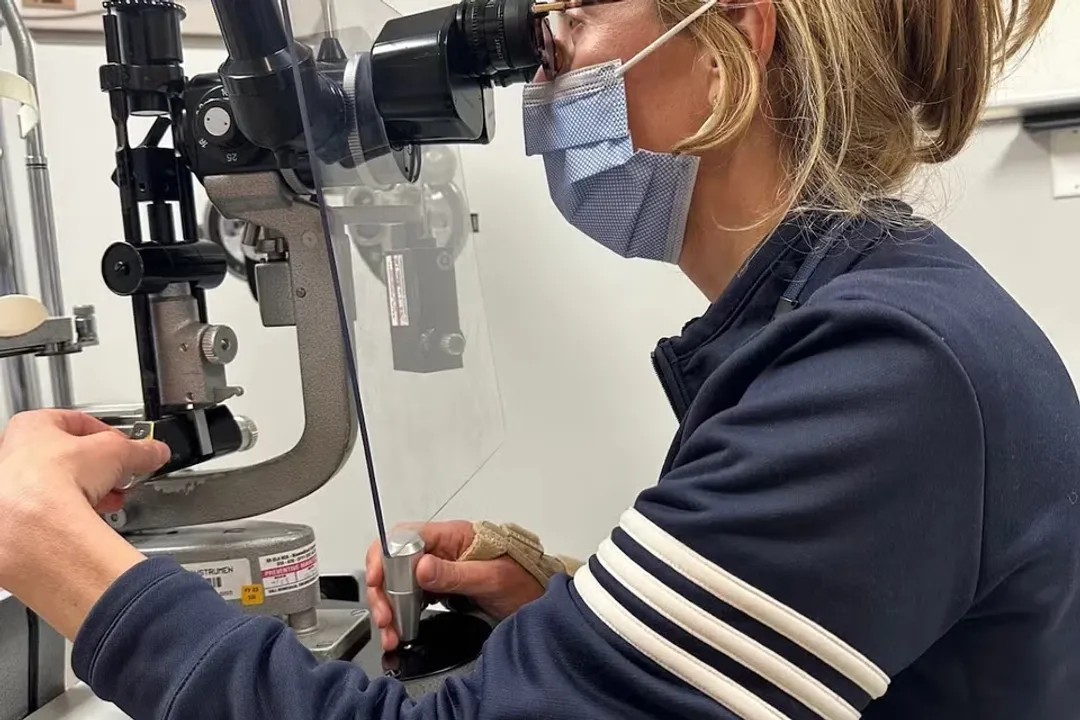
The first step in understanding an ophthalmologist involves recognizing that they are medical doctors—physicians who have gone through specialized training to focus entirely on eye and vision care. [1][5][6][9] This means they have completed medical school, a one-year internship, and at least three years of specialized residency training specifically in eye and vision care. [1][6][7] Because of this extensive medical background, ophthalmologists are uniquely qualified to provide complete eye care, which encompasses everything from routine eye exams and prescribing corrective lenses to diagnosing serious eye diseases and performing delicate eye surgery. [1][5][6] They are the only eye care professionals fully trained to offer medical and surgical treatment for all eye conditions and vision problems. [5]
# Medical Training

The path to becoming an ophthalmologist is exceptionally long and demanding, reflecting the complexity of the human eye and the responsibility of performing surgery on it. [7] After earning a bachelor's degree, the aspiring doctor must complete four years of medical school to earn an M.D. (Doctor of Medicine) or D.O. (Doctor of Osteopathic Medicine) degree. [7] This foundation covers the entirety of human health, far broader than just the eyes. [7]
Following medical school, the next stage is residency training, which is a period of intensive, supervised clinical practice and surgical training. [1][7] For ophthalmology, this residency typically lasts three years or more. [1] During this time, the resident rotates through various medical and surgical specialties, gaining deep expertise in diagnosing and managing the full spectrum of eye diseases—from common issues like glaucoma and cataracts to complex conditions affecting the retina or cornea. [6] Many ophthalmologists then choose to complete an additional one to two years in a fellowship, which is super-specialization in a specific area, such as pediatric ophthalmology, retina, or plastic and reconstructive surgery of the eye. [7] When you factor in undergraduate studies, medical school, and residency, a person has usually dedicated at least 12 to 14 years of post-secondary education and specialized training before they are fully qualified to practice independently. [1][7] This lengthy process distinguishes them sharply from other eye care providers. [4]
# Surgical Scope

A core differentiator for ophthalmologists is their designation as medical surgeons. [7] They are fully licensed to perform surgery on the eye and its surrounding structures. [5][7] This capability is crucial when treating conditions that cannot be managed with medication or glasses alone.
Common surgical procedures performed by ophthalmologists include:
- Cataract Surgery: Removing the clouded natural lens and replacing it with an artificial intraocular lens (IOL). [6]
- Glaucoma Procedures: Using various techniques to relieve pressure within the eye that damages the optic nerve. [6]
- Cornea Procedures: Performing transplants or other surgeries to correct issues with the eye's clear front surface. [6]
- Refractive Surgery: Procedures like LASIK, which reshape the cornea to correct refractive errors. [6]
- Oculoplastic Surgery: Addressing issues of the eyelids, tear ducts, and eye socket. [6]
It is worth noting that a significant number of ophthalmologists choose to focus exclusively on non-surgical medical management of complex eye diseases, while others may specialize purely in surgery, referring patients to colleagues for routine medical follow-up. However, the training equips them for the entire spectrum of care. [6] When considering the commitment required for this level of surgical expertise, it’s interesting to observe that the intensive training translates directly into their ability to manage highly intricate, sight-threatening conditions that require immediate and expert intervention. For example, managing severe diabetic retinopathy or repairing a detached retina demands the knowledge base of a physician who has mastered the entire anatomy of the eye, not just its optical properties. [6]

# Differentiating Eye Professionals

The field of eye care involves three main types of practitioners, and understanding the distinction between them is essential for knowing whom to see for a specific concern. [4][9]
| Practitioner Type | Primary Degree | Key Responsibilities | Surgical Rights |
|---|---|---|---|
| Ophthalmologist | M.D. or D.O. | Medical/surgical diagnosis, treatment, disease management, vision correction. [1][5] | Yes (Fully trained surgeon). [7] |
| Optometrist | O.D. | Routine eye exams, vision testing, prescribing glasses/contacts, diagnosing/managing some diseases. [4][5][9] | Limited/Varies by state; not generally trained for complex surgery. [4] |
| Optician | None (Certification) | Fitting, dispensing, and adjusting eyeglasses and contact lenses based on prescriptions. [4][5] | No (Cannot diagnose or prescribe). [4] |
Optometrists, holding an O.D. degree, are primary eye care providers who conduct eye exams, determine prescriptions for glasses and contact lenses, and can diagnose and manage certain eye diseases like dry eye or pink eye. [4][5][9] However, their training is distinct from the medical and surgical residency an ophthalmologist undergoes. [4] If a problem is too complex, requires medication beyond basic prescriptions, or necessitates surgery, the optometrist will refer the patient to an ophthalmologist. [4][5]
Opticians, conversely, do not examine eyes, prescribe vision correction, or treat diseases. [4][9] They are technicians who work with the prescriptions provided by ophthalmologists or optometrists to ensure glasses and contacts fit correctly and function optimally. [4] Thinking of it like general health care, the optometrist is like a general practitioner for the eye, while the ophthalmologist is the specialist surgeon/consultant. [9]
# When Specialty Care Is Needed
While regular comprehensive exams with an optometrist are vital for maintaining good vision, there are several key signs and situations where an immediate consultation with an ophthalmologist is necessary. [4][5] If your primary eye doctor suspects a condition requiring surgery or advanced medical treatment, they will make that referral. [4][5]
You should seek an ophthalmologist's expertise if you experience:
- Sudden Vision Changes: Any sudden loss of vision, a noticeable blind spot, or a sudden decrease in visual acuity that standard glasses adjustment does not fix warrants prompt specialist attention. [3]
- Persistent Pain or Redness: Eye pain that does not resolve, chronic severe dryness, or persistent redness or irritation that doesn't respond to over-the-counter remedies. [3]
- Advanced or Complex Diseases: Managing chronic conditions like advanced glaucoma, macular degeneration, diabetic retinopathy, or severe cataracts often falls to the ophthalmologist due to the need for ongoing medical monitoring or surgical intervention. [5][6]
- Eye Injuries: Any direct trauma to the eye, even if it seems minor, should be assessed by an ophthalmologist to rule out internal damage. [5]
- Suspicious Growths: Any visible lump, bump, or lesion on the eyelid or around the eye that requires biopsy or surgical removal. [3]
- Double Vision or Severe Floaters: While sometimes managed by an optometrist, persistent, significant double vision or an abrupt increase in the number or size of floaters can signal retinal detachment, which is a surgical emergency. [3]
A practical tip for patients managing chronic conditions like diabetes or hypertension is to schedule an annual dilated eye exam specifically with an ophthalmologist or a referring optometrist. Systemic diseases often manifest subtly in the tiny blood vessels of the retina long before they cause noticeable vision loss, and only an ophthalmologist's specialized equipment and training can reliably detect these early signs. [6] Insurance coverage for these preventative screenings should always be confirmed beforehand, as coverage terms for optometrists versus ophthalmologists can sometimes differ depending on the underlying medical necessity versus routine vision care. [5]
# Subspecialty Focus
The depth of training means that many ophthalmologists further narrow their focus to specific areas. These subspecialties allow for expert-level care in highly specific, complex parts of the visual system. For instance, a retina specialist handles disorders of the light-sensitive tissue at the back of the eye, often involving injections or laser treatments. A pediatric ophthalmologist focuses on the unique visual development needs and conditions in infants and children, such as crossed eyes (strabismus). [7] Another subspecialty involves neuro-ophthalmology, dealing with vision problems stemming from neurological issues, such as those affecting the brain or optic nerve pathways. [7]
This tiered system of expertise—from general eye physician to surgical specialist to fellowship-trained subspecialist—ensures that patients receive the most appropriate level of care, whether they need simple reading glasses or an intricate repair of the vitreous humor. The ability of an ophthalmologist to serve as the final medical and surgical authority for virtually any eye condition is what solidifies their standing in healthcare. [5] They bridge the gap between primary vision care and complex, hospital-based surgical intervention, acting as a crucial medical anchor for visual health.
Related Questions
#Citations
What Is an Ophthalmologist vs Optometrist?
What Is an Ophthalmologist? - UCLA Medical School
7 Signs You Might Need to See an Ophthalmologist
Difference between an Ophthalmologist, Optometrist and Optician
Optometrist vs. ophthalmologist: Which eye doctor is right?
Ophthalmologist Definition | - Retina Consultants of Nevada
Ophthalmology | ACS - The American College of Surgeons
Ophthalmologist vs Optometrist - Eye Care Specialists Of Florida
The Three Types of Eye Doctors: Optometrist, Ophthalmologist ...