What depletes magnesium the most?
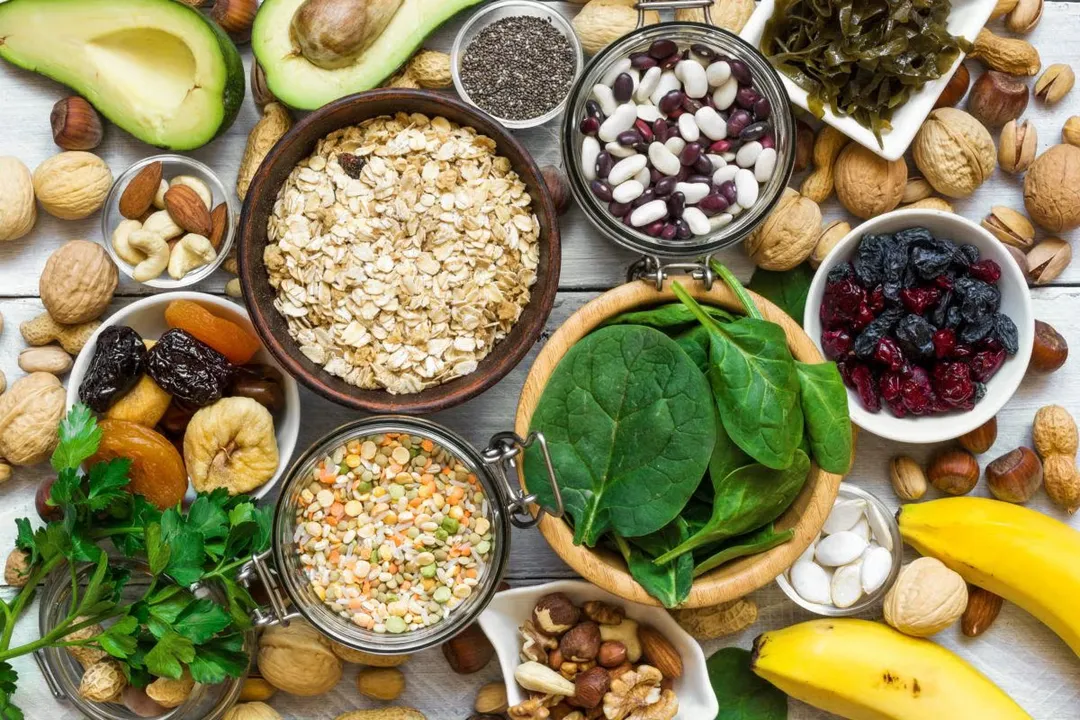
Magnesium is a mineral often overlooked until its absence is felt, yet it is essential for hundreds of biochemical reactions in the body, regulating everything from muscle and nerve function to steady heart rhythms and blood sugar conversion. While many people associate low magnesium primarily with a lack of intake, the more pressing issue for many in modern life is not just what we don't eat, but what we do consume or experience that actively strips the body of its stored supply. Understanding the primary culprits behind this depletion is key to maintaining healthy levels, as the body only keeps about 1% of its total magnesium in the blood, meaning serum tests can often appear normal even when deep tissue stores are suffering.
# Dietary Saboteurs

The modern diet is perhaps the most consistent, chronic drain on magnesium reserves. It’s not simply about omitting green vegetables; it’s about the pervasive nature of refined ingredients that force the body into a mineral-intensive digestive effort.
The single most demanding dietary factor appears to be the consumption of refined and processed sugars. When the body processes refined sugar, including high-fructose corn syrup, it requires a host of minerals and vitamins to manage the metabolic load. This process creates an overly acidic condition internally, and the body immediately draws upon its alkaline mineral stores—calcium, potassium, and critically, magnesium—to neutralize that acid. In this context, refined sugar acts as an anti-nutrient, wasting essential magnesium that could be used for cellular maintenance.
Beyond sugar, the quality of food processing plays a large role. Whole, unrefined foods that were once rich in magnesium—like whole grains—are increasingly rare because the processing or refining of food can strip away nearly 85% of its magnesium content. Furthermore, cooking methods like boiling magnesium-rich foods can cause significant mineral loss.
Other food components actively inhibit absorption or trigger excretion:
- Phosphates: Phosphoric acid, often added to flavor soft drinks and found in many processed meats and snack bars, binds to magnesium, effectively rendering it unusable by the body. Dark-colored sodas are a prime example of this mechanism at work.
- Phytic Acid: Found in the hulls of seeds and the bran of grains, phytate forms insoluble compounds with magnesium, preventing it from being absorbed in the gut. While fiber-rich foods containing phytates should not be avoided due to their other benefits, consuming fermented soy (like tempeh) over unfermented versions can mitigate this binding effect.
- Oxalates: Compounds like oxalic acid in certain plants, such as spinach, can also lower magnesium absorption. However, since spinach is also high in magnesium, and the oxalates are only a major concern for those prone to kidney stones (a condition magnesium itself can help prevent), this is generally a lower-tier concern unless intake is excessive.
- Dietary Fat and Protein: A diet very high in saturated fat reduces the intestine's ability to absorb magnesium. Similarly, excessively high protein intake can increase the amount of magnesium lost via urine.
A subtle but significant factor involves drinking water. In many regions, water softening—a process done to improve cleaning properties—removes valuable magnesium from the water supply. Municipal water treatment can also strip out this mineral, meaning a source many rely on for hydration might be contributing little to their daily intake. For those living in areas with very soft water, this can represent a substantial chronic deficit over time, as hard water can sometimes supply up to 30 mg/L of magnesium.
# Lifestyle Leaks
Certain daily habits are powerful accelerators of magnesium loss, often working by acting as diuretics or by taxing the body’s stress response systems.
Alcohol stands out as a rapid and multi-faceted depleter. Chronic intake strains organs like the liver, impairing their ability to break down minerals from food. Furthermore, alcohol acutely acts as a diuretic, causing a prompt, vigorous increase in magnesium excretion through the kidneys. If heavy consumption also leads to vomiting or diarrhea, the loss is compounded by gastrointestinal upset and malabsorption.
Caffeine is another common offender due to its diuretic properties. Whether it comes from coffee, tea, or energy drinks, caffeine encourages the body to flush out nutrients via urine more rapidly than normal, leaving cells deprived. While coffee and tea contain beneficial compounds, acknowledging this flushing effect suggests that for those with a strong habit, simply replacing a cup or two with a non-caffeinated alternative, or ensuring extra dietary replenishment, is wise.
Stress and Exercise both increase the body’s demand for magnesium, contributing to functional depletion:
- Stress: When under chronic stress, the body floods the system with stress hormones like cortisol. The production and action of these hormones consume stored magnesium. High stress and resulting anxiety can also interfere with the body's ability to absorb incoming magnesium effectively.
- Intense Activity: High-intensity exercise uses magnesium for energy production, leading to significant loss through sweat and urine post-workout.
Finally, nicotine use is also consistently associated with lower blood magnesium levels compared to non-smokers, meaning cigarette use is another lifestyle factor actively draining reserves.

# Mineral Conflicts and Medical Movers
Depletion isn't only about loss; it's also about the body needing magnesium to properly process other necessary nutrients. This competition creates a functional depletion, even if intake is adequate.
Calcium Overload is a major interactive issue. Magnesium and calcium work synergistically, but an overabundance of one disrupts the balance of the other. Many people, particularly women seeking bone health, supplement heavily with calcium. However, calcium cannot be effectively utilized or absorbed without sufficient magnesium. If your diet is already high in calcium (from dairy, for example) and you add a calcium supplement, you heighten the body’s need for magnesium, potentially pulling it from vital stores. It’s a reminder that for optimal bone support, the ratio matters more than the quantity of a single mineral.
Similarly, excessive Vitamin D can deplete magnesium. The body requires magnesium to metabolize Vitamin D and realize its benefits; taking very high doses of supplemental Vitamin D without attention to magnesium balance can quickly empty the body's magnesium reserves.
From a clinical perspective, medications are a significant cause of forced mineral loss, primarily through the kidneys:
- Diuretics: Many common diuretic drugs (often ending in -zide) increase magnesium excretion.
- Antibiotics: Certain classes, like aminoglycosides, can cause renal wasting of magnesium.
- Chemotherapy/Immunosuppressants: Drugs like cisplatin and cyclosporine are known causes of magnesium loss.
- Heart and Acid-Reducing Drugs: Medications like digitalis and proton pump inhibitors (PPIs) can impair absorption or increase excretion.
Conditions affecting the digestive tract, such as Crohn’s disease, Celiac disease, or gastric bypass surgery, severely hinder absorption because the primary absorption site—the ileum—is compromised. Furthermore, chronic conditions like uncontrolled diabetes lead to osmotic diuresis (excessive urination due to high blood sugar), which flushes out magnesium along with the excess glucose. Aging itself can reduce stomach acid, thereby diminishing the body's ability to break down magnesium into an absorbable ionic form.
# Analyzing the Drain: An Integrated View
When we stack these factors up, it becomes clear that the most significant depletion comes from the combination of a poor modern diet and associated lifestyle stressors, rather than a single item alone.
| Depletion Category | Highest Impact Factors (Mechanisms) | Severity of Depletion |
|---|---|---|
| Diet | Refined Sugar (Forces neutralization), Phosphates (Binds Mg), Processed Foods (Low Mg content) | Chronic/Systemic |
| Lifestyle | Alcohol (Diuresis + Organ Strain), Chronic Stress (Hormone production), High Caffeine (Diuresis) | Acute/Chronic |
| Medical | Diuretics/PPIs (Forced renal excretion/impaired absorption), GI Malabsorption (Crohn's, Celiac) | Significant/Targeted |
It is worth noting that the diuretic effect appears to be a common thread across several major depleters—caffeine, alcohol, and many medications all result in increased urinary loss. This is a highly efficient way for the body to shed the mineral when under physiological stress or challenged by certain substances.
Considering this complex interplay, a practical consideration emerges for optimizing intake. If your diet is already skewed towards higher calcium intake (e.g., high dairy consumption or calcium supplementation) and you also consume moderate amounts of caffeine or alcohol, you are effectively setting a high hurdle for your magnesium status. For individuals with a high calcium-to-magnesium ratio in their diet—sometimes reaching 4:1 when the recommended balance is closer to 2:1—focusing solely on magnesium intake may not be enough; mitigating the source of the competing mineral (calcium) or ensuring the magnesium is in a highly bioavailable form becomes an equally important part of the strategy. The body struggles to prioritize when faced with overloads of both major competing cations, calcium and magnesium.
To counter these cumulative effects, remember that the best defense is often a multi-pronged one: reducing the most damaging inputs (like refined sugar and excessive alcohol) while ensuring consistent, quality replenishment that bypasses potential digestive barriers, such as through transdermal application, when absorption is already compromised by stress or medication use.
Related Questions
#Citations
8 magnesium deficiency symptoms (and 9 high magnesium foods)
Magnesium deficiency - symptoms, causes, treatment & prevention
Hypomagnesemia: What It Is, Causes, Symptoms & Treatment
Causes of a Lack of Magnesium - Ancient Minerals
Magnesium Metabolism and its Disorders - PMC - PubMed Central
Magnesium deficiency: MedlinePlus Medical Encyclopedia
5 Things That Are Depleting Your Magnesium Levels - Salt Lab
Foods that Deplete Magnesium ✔️ (Sugar, and Worse!) | NC
Magnesium - The Nutrition Source
Top 5 Magnesium-Depleting Activities | The Base Collective