What antibiotic was invented by a Filipino scientist?
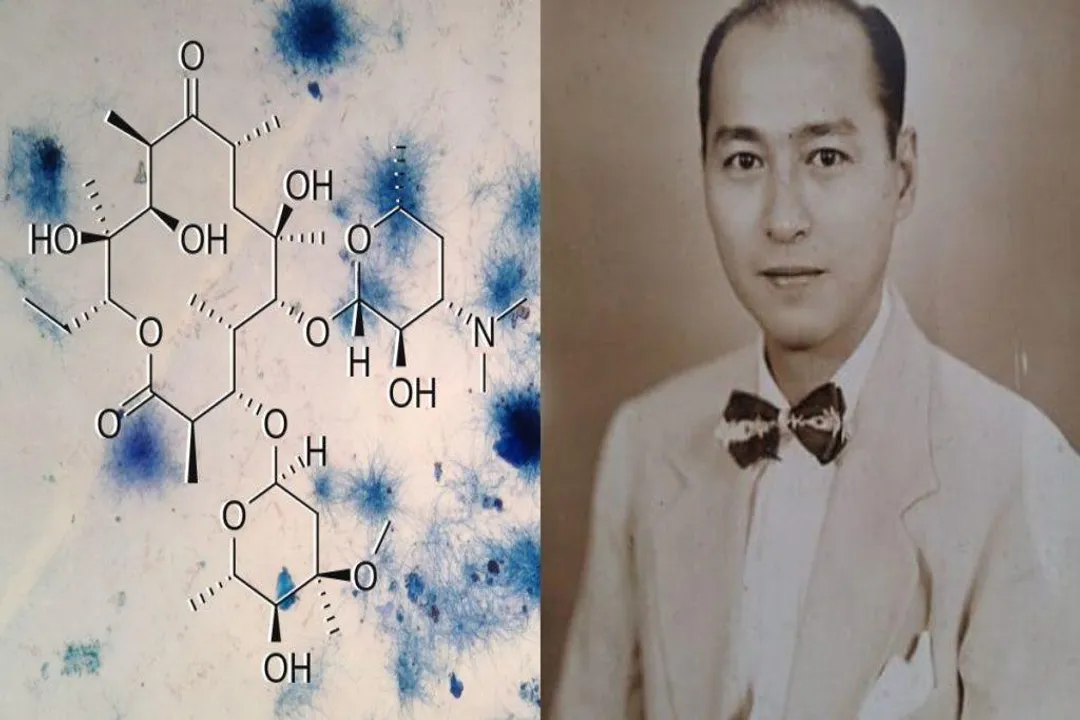
The story of modern medicine is frequently told through the lens of large pharmaceutical laboratories and well-known research institutions. However, obscured within the timeline of 20th-century pharmaceutical history is a significant contribution from the Philippines. Abelardo Aguilar, a Filipino physician and researcher, is the individual responsible for isolating the specific strain of bacteria that paved the way for the development of erythromycin, one of the most widely used antibiotics in clinical history. [1][4]
# The Scientist
Abelardo Aguilar was a medical doctor who, in the 1940s, worked as a researcher for the American pharmaceutical company Eli Lilly and Company. [1][3] During this period, the race to find new antibiotics was at a peak, driven by the success of penicillin and the desperate need for alternative treatments for patients who were allergic to it or suffered from resistant infections. Aguilar was stationed in the Philippines, where he conducted field research and gathered soil samples from his home province, Iloilo. [4][6]
He possessed a keen eye for scientific potential. Among the various soil samples he collected, one stood out. He sent this sample to the Eli Lilly laboratories in the United States for further analysis. [6] Back in the Indiana-based facility, researchers processed the sample and discovered a new bacterium, Streptomyces erythreus, which proved to be a highly effective source for a new type of antibiotic. [1] This discovery marked the birth of erythromycin, which would go on to save countless lives by treating a wide variety of bacterial infections. [2][8]
# Medical Application
Erythromycin belongs to the macrolide class of antibiotics. Its primary function is to stop the growth of bacteria by interfering with their ability to synthesize necessary proteins. [2] Because of its specific mechanism of action, it serves as an alternative for individuals with hypersensitivity to penicillin. This made it a standard medical tool for treating conditions such as respiratory tract infections, skin infections, and chlamydia, among others. [2]
The shift from the initial discovery to a usable medication involved complex laboratory processing. The bacteria found in the Iloilo soil provided the necessary biological material to create the drug, which was subsequently patented and mass-produced. [4] For many medical practitioners, the antibiotic remains a staple in treatment protocols even decades after its introduction, demonstrating the durability of Aguilar's initial find. [8]
# Patent Conflicts
The narrative surrounding Aguilar’s contribution is often noted for the lack of formal recognition he received from his employer. While he was the one who collected and identified the potential of the soil sample, the patent for the antibiotic was filed by Eli Lilly and Company. [6] Aguilar attempted to seek royalties from the company for the drug, which generated massive profits globally, but his efforts to claim compensation were unsuccessful. [4][5]
This situation reflects a broader historical pattern where individual scientists working for larger corporations often found themselves excluded from the financial benefits of their discoveries. In the mid-20th century, laboratory hierarchies and patent laws favored the institutions that funded the research rather than the field researchers who provided the raw data or samples. Aguilar passed away in 1993, and while he did not achieve fame during his lifetime for this discovery, he is increasingly recognized in the Philippines and scientific history circles for his role in global health. [1][8]
# Clinical Context
To understand why this discovery mattered, it is helpful to compare the capabilities of different antibiotic classes. Erythromycin filled a specific gap that earlier antibiotics could not address, particularly regarding bacterial resistance and patient allergies.
| Antibiotic Class | Mechanism | Primary Clinical Use |
|---|---|---|
| Penicillins | Cell wall synthesis inhibition | Staph, Strep infections |
| Macrolides (Erythromycin) | Protein synthesis inhibition | Respiratory/Skin infections |
| Tetracyclines | Protein synthesis inhibition | Acne, Lyme disease |
| Fluoroquinolones | DNA synthesis inhibition | Urinary tract infections |
This data highlights that macrolides like erythromycin provide a different pathway to fighting infection compared to penicillins. While penicillins attack the cell wall, erythromycin works inside the bacterial cell. This difference is precisely why it remains an effective treatment for patients who cannot tolerate penicillin, making it a distinct medical resource rather than just a replica of existing drugs.

# Historical Analysis
From a modern scientific perspective, the discovery of erythromycin by Aguilar offers an interesting case study in the collaborative yet often unequal nature of pharmaceutical R&D in the 1940s. While Eli Lilly provided the infrastructure to turn a soil bacterium into a medicine, the intellectual property was built entirely upon the specific, rare sample provided by an individual in the field.
There is often a debate regarding who "owns" a discovery. In legal terms, the company owned the process of refining and manufacturing the antibiotic. However, from an ethical standpoint, the absence of credit for the original discoverer highlights a structural flaw in how research contributions were valued during that era. The scientific community has since moved toward more collaborative models where contributors are acknowledged, though patent law remains firmly rooted in institutional ownership. Aguilar’s story serves as a reminder of the thousands of "field scientists" who contributed to the modern medicine cabinet without ever appearing on a patent document.
# Legacy
The recognition of Abelardo Aguilar has gained traction in recent years, particularly through social media and historical archives in the Philippines, which highlight his role in the development of life-saving medicine. [3][9] While the legal dispute over royalties remains a closed chapter, the cultural legacy remains active. Educational institutions and local groups in Iloilo often point to his work as an example of Filipino contributions to global science. [4]
His life and work underscore a critical truth about medical advancement: scientific breakthroughs do not happen in a vacuum. They rely on a combination of geographic diversity, individual observation, and institutional refinement. Without the initial collection of that specific soil sample in Iloilo, the timeline of macrolide antibiotics might have been delayed by years, potentially affecting the treatment options for millions of people. [1][4] The story of this discovery continues to serve as a testament to the influence of individual researchers in the broader history of health and science.
Related Questions
#Citations
Abelardo Aguilar - Wikipedia
What is Erythromycin used for? - Patsnap Synapse
The Filipino Doctor Behind a Life-Saving Antibiotic One ... - Facebook
Filipino American History Month - Angeles Institute
The Filipino Doctor Behind a Life-Saving Antibiotic One ... - Instagram
Abelardo Aguilar: Filipino Scientist Discovered Erythromycin
The Ilonggo who discovered erythromycin—and got shafted for it