How to flush pesticides out of your system?

Most people unknowingly encounter trace amounts of pesticides through their daily interactions with food, water, and household environments. [5][7] While modern agricultural practices make total avoidance difficult, the human body is not a passive container for these substances. Instead, it possesses an intricate biological machinery—primarily centered in the liver and kidneys—designed to identify, process, and eliminate foreign compounds. [3][5] Clearing pesticides from the system is not about performing a fad cleanse or purchasing expensive supplements, but rather about supporting these existing physiological functions and reducing the daily intake of toxins. [3][4]
# Understanding Exposure

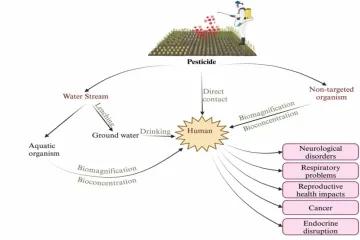
Pesticide accumulation typically occurs through multiple avenues, including the consumption of non-organic produce, contaminated water supplies, and household use of sprays or treatments. [6][8][9] Recognizing that exposure is often cumulative helps in shifting the focus from a one-time "flush" to a consistent, sustainable reduction in intake. [5] Acute poisoning, which requires immediate medical intervention, presents differently than the chronic, low-level exposure most people worry about. If symptoms like dizziness, nausea, difficulty breathing, or skin irritation occur suddenly after handling chemicals, professional medical help is necessary rather than home-based recovery strategies. [7][8]
For chronic, low-level exposure, the goal is to shift the body’s burden. Many commercial products marketed for "detoxification" lack clinical backing and may even place extra strain on the kidneys or liver. [3] A more effective approach begins with an audit of daily habits to minimize future contact with chemicals. [9]
| Source of Exposure | Mitigation Strategy |
|---|---|
| Produce | Wash thoroughly or peel; prioritize organic for high-residue items. |
| Drinking Water | Use high-quality filtration systems (carbon or reverse osmosis). |
| Indoor Air | Increase ventilation; use natural pest control alternatives. |
| Textiles | Wash new clothing before wearing to remove residue. |
# Biological Processes
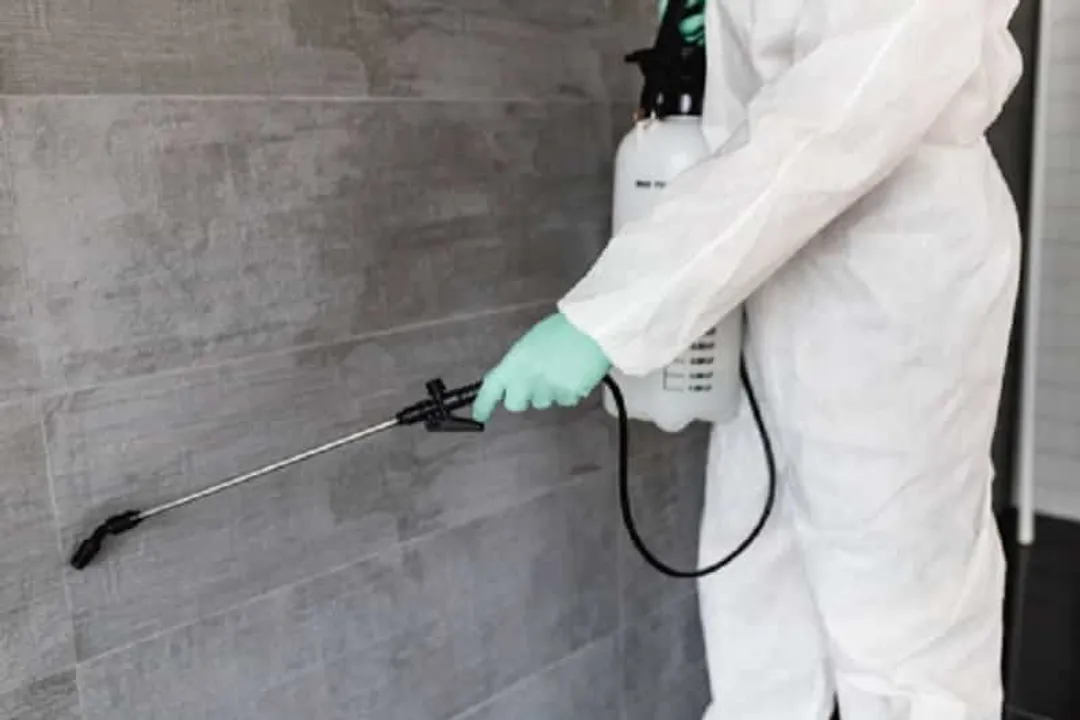
The liver acts as the primary filtration center for the body, executing a two-phase process to neutralize toxins. [3][5] During Phase I, enzymes modify the chemical structure of foreign substances. During Phase II, these modified compounds are conjugated, or attached to other molecules, to make them water-soluble so they can be excreted through bile or urine. [3]
This process requires specific nutrients to function at peak efficiency. If the liver is overwhelmed or lacks the necessary substrates, it may struggle to process these compounds effectively. [3][5] Therefore, supporting these biological pathways through nutrition is far more effective than starvation-based diets or commercial cleanses. When you provide the body with the right resources, you aid the natural clearance of metabolites that may persist after exposure. [3]
# Dietary Support
Dietary choices serve as the most consistent method to assist the body in processing environmental chemicals. [4] Fiber, in particular, binds to bile acids in the digestive tract. Since the liver excretes processed toxins into bile, high fiber intake prevents the reabsorption of these substances, ensuring they are removed through waste. [3]
Cruciferous vegetables such as broccoli, cauliflower, Brussels sprouts, and kale contain compounds that support liver enzyme activity, specifically those involved in the second phase of detoxification. [3] Including these vegetables in daily meals provides the raw materials the liver needs to neutralize chemical residues. [1][10]
Probiotics and fermented foods may also play a part in maintaining a healthy gut microbiome, which acts as a barrier against toxin absorption. [1] A healthy gut lining can reduce the amount of pesticides that enter the bloodstream from the digestive tract. Additionally, focusing on hydration is essential. [2] Water is necessary for the kidneys to filter the blood and produce urine; without adequate hydration, the concentration of waste products in the body may increase, slowing the natural elimination process. [3]
# Lifestyle Habits
Sweat is a potent route for excreting various environmental toxins. [2] Engaging in regular physical activity or using infrared saunas can assist in releasing chemicals stored in fat tissues. [2][4] When the body heats up, metabolic processes increase, and blood flow to the skin improves, encouraging the release of stored compounds through perspiration. [2]
Prioritizing sleep is another overlooked factor. During rest, the body shifts into repair mode, directing more blood flow to the liver and kidneys to process accumulated waste. [3] Poor sleep patterns can hinder this repair phase, leaving the body less capable of clearing environmental residues effectively. [3]
Reducing the burden on the body also involves strictly limiting the use of synthetic chemicals at home. [9] Many common household pest control products are designed to persist in the environment; avoiding them entirely and switching to mechanical traps or natural deterrents like diatomaceous earth or vinegar-based solutions significantly lowers the daily toxic load. [9]

# Practical Reduction
To manage the level of pesticides in your system, consider adopting a routine that focuses on both removal and prevention. Start by assessing your kitchen habits. For example, washing fruits and vegetables with a mixture of water and vinegar can reduce surface pesticide residues, though it does not remove chemicals that have been absorbed into the produce tissue. [9]
Another actionable step involves your water source. Pesticides often leach into groundwater, and standard water treatments may not filter all varieties. [7] Installing a high-quality filter—specifically one certified to remove chemicals—can reduce the daily intake of synthetic compounds. [9]
Consider a "three-point" daily check to minimize accumulation:
- Filter: Ensure your primary drinking water source is filtered.
- Fiber: Aim for at least 30 grams of fiber daily to bind and eliminate waste.
- Flow: Maintain physical movement or heat exposure (sauna/exercise) to stimulate the excretion of sweat-soluble substances.
# Medical Assistance
It is vital to distinguish between general wellness and acute medical emergencies. If you or someone you know has been exposed to a large amount of pesticide—indicated by sudden onset of vomiting, diarrhea, pin-point pupils, muscle twitching, or difficulty breathing—this is a medical emergency. [8] In such instances, do not attempt home detoxification. Contact emergency services or a poison control center immediately. [7][8]
For chronic, low-level concerns, discussing symptoms with a healthcare provider who understands environmental medicine is the best path. They can order blood or urine tests to determine if levels are clinically elevated. [8] Relying on internet-based "detox" protocols without professional oversight can sometimes cause nutritional imbalances, especially if those protocols involve restrictive diets that deprive the liver of the nutrients it requires to function. [3]
The body is highly resilient when given the right conditions. By focusing on consistent, nutrient-dense nutrition, adequate hydration, and limiting ongoing exposure, you provide the best environment for your natural systems to clear unwanted chemicals. There is no instant fix, but the consistent application of these habits will support your health over the long term.
Related Questions
#Citations
How to Rid Your Body of Pesticides | John Douillard's LifeSpa
10 Ways to Detox Your Body after Spraying Pesticides
[PDF] Improving Your Health by Removing Toxins from Your Body
Supporting Detoxing To Remove Pesticide Buildup
Enzymatic detoxification of organophosphorus pesticides and ... - PMC
The Detox Project: Glyphosate Residue Free
Cleaning Up After Indoor Pesticide Misuse
Pesticide Poisoning - Iowa Department of Health and Human Services
9 Ways to Lower Your Risk of Pesticide Exposure - Cedarcide
How to Detox from Glyphosate - Bubble and Bee Organic