Compared to a toilet seat, how many times more fecal bacteria can cutting boards carry?
Answer
200 times more
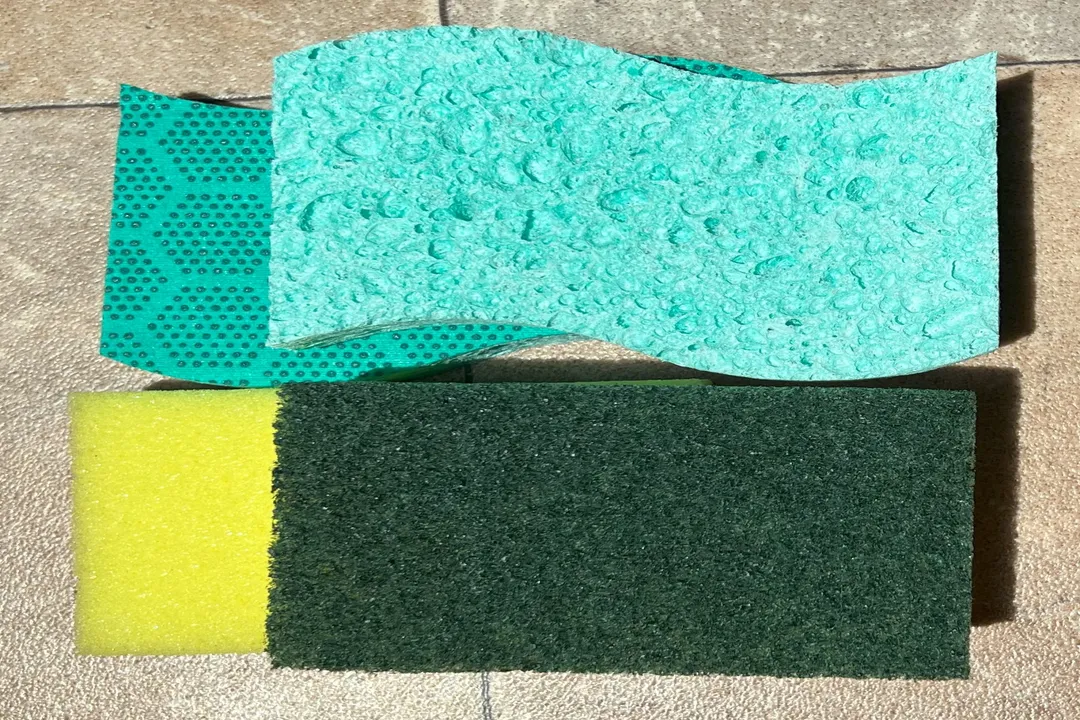
When comparing various high-touch household surfaces to the toilet seat, cutting boards present a surprisingly high contamination risk, particularly concerning fecal bacteria. Studies have demonstrated that cutting boards, often due to their routine contact with raw meat during food preparation, can harbor up to 200 times more fecal bacteria than a standard toilet seat. This risk profile is distinct from the sponge, which is more associated with general foodborne pathogens, but both underscore the failure of many kitchen implements to function as intended cleaning aids.
Related Questions
What average bacteria count is associated with a standard toilet bowl per square inch?What material primarily constructs kitchen sponges, making them ideal incubators?Which specific bacteria indicates fecal matter contamination commonly found in kitchen sponges?Which pathogen was often the most numerous microbe found in the highest sponge readings?What percentage of household sponges and dishcloths tested positive for Coliform bacteria in the NSF study?What is the recommended proactive maintenance schedule for kitchen sponges according to hygiene experts?What specific component must be verified before attempting to sanitize a kitchen sponge by microwaving?How much dirtier than a toilet seat was a mobile device found to be in one comparative study?Approximately how many bacteria can a typical sponge host after just two weeks of use according to one analysis?What phrase described the internal structure of the sponge material that provides extensive surface area for bacteria?Compared to a toilet seat, how many times more fecal bacteria can cutting boards carry?What percentage of foodborne illnesses stem from meals prepared in the home kitchen environment?