Does ginger interact with losartan?
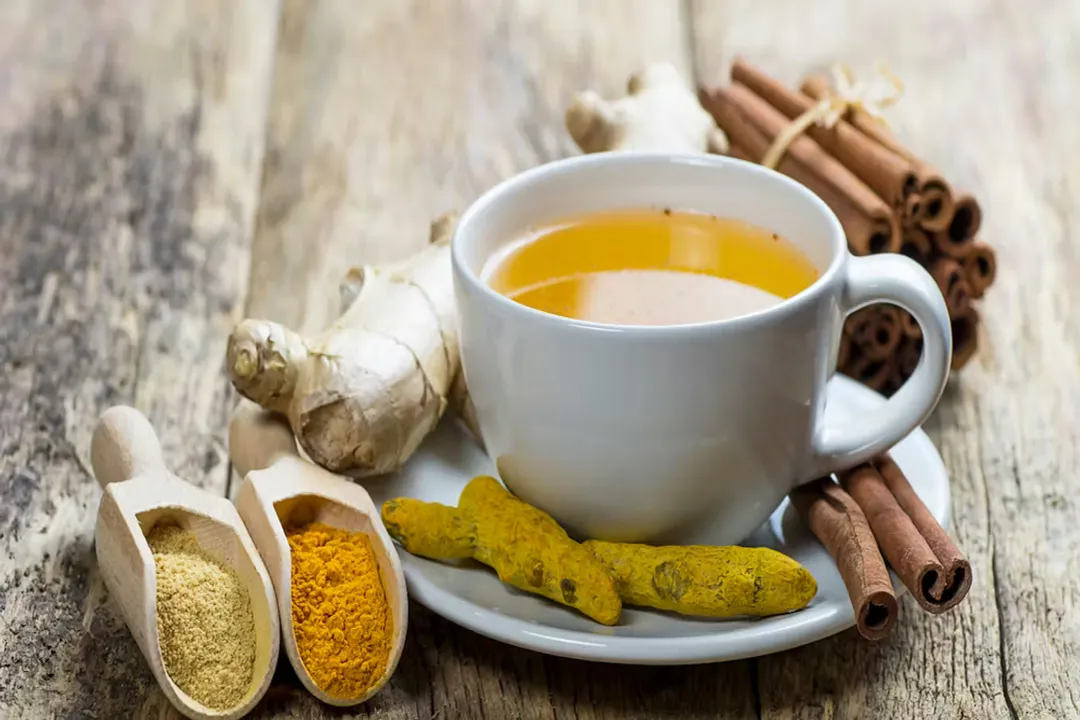
Ginger is a common kitchen staple, often enjoyed in teas, stir-fries, and baked goods for its distinct zesty flavor and soothing properties. Many people view natural ingredients as inherently harmless, yet even common spices can carry potent biological activity. When you manage a chronic condition with prescription medication such as losartan, it becomes necessary to consider how these everyday foods or concentrated supplements might influence your treatment. [2][9]
# Ginger Characteristics
Ginger, scientifically known as Zingiber officinale, has been used for centuries to address digestive issues, nausea, and general inflammation. [3] The plant contains bioactive compounds, most notably gingerols and shogaols, which contribute to its medicinal reputation. These compounds interact with the body by influencing inflammatory pathways, stomach motility, and, to a lesser extent, blood clotting and cardiovascular function. [4][7]
When consumed in standard culinary amounts—like a slice of ginger in a cup of tea or a small amount grated into a meal—these effects are generally mild and well-tolerated by most people. [3][9] However, when ginger is taken in higher, concentrated doses found in capsules, powders, or extracts, its biological activity increases, which changes the risk profile for those taking specific prescription drugs. [2][7]
# Losartan Function
Losartan belongs to a class of medications known as angiotensin II receptor blockers (ARBs). Doctors prescribe it primarily to treat hypertension (high blood pressure), protect the kidneys in patients with type 2 diabetes, and reduce the risk of stroke. [6] It works by blocking the action of angiotensin II, a chemical in the body that causes blood vessels to tighten and narrow. By preventing this action, losartan helps blood vessels relax and widen, which lowers blood pressure and improves blood flow. [6]
Because this medication is essential for managing cardiovascular health, keeping its levels stable in your system is vital. Any factor that alters the metabolism of the drug or compounds its effects can influence how well the medication works or increase the risk of side effects. [2][9]

# Potential Interactions
The primary concern regarding the combination of ginger and losartan stems from how each substance impacts the cardiovascular and circulatory systems. Ginger has documented antiplatelet and anticoagulant properties, meaning it may reduce the blood's ability to clot. [5][8] While this is not inherently harmful, it creates a theoretical risk for people already taking blood-thinning medications or those whose treatment plans require specific blood pressure regulation. [2][9]
Some research suggests that ginger may influence blood pressure levels, potentially adding to the effect of blood pressure medications. [2][9] If a person uses large amounts of ginger while on losartan, there is a risk that the combination might cause blood pressure to drop lower than intended. [2][10] This can lead to symptoms like dizziness, lightheadedness, or fatigue, especially when standing up quickly.
Another consideration involves how the body breaks down medications. Some herbal supplements can alter the activity of enzymes in the liver that process drugs. If these enzymes are inhibited or induced by a supplement, the concentration of losartan in your bloodstream could rise or fall unexpectedly, reducing the effectiveness of your therapy or increasing the likelihood of adverse reactions. [2][8] While specific clinical trials exclusively targeting the interaction between ginger and losartan are limited, pharmacists and medical professionals advise caution due to these overlapping physiological pathways. [2][5][6]
# Dosage Factors
Distinguishing between food-based intake and concentrated supplements is essential for evaluating risk. The concentration of active compounds in a capsule is significantly higher than what you would consume in a meal. [3][7] The following table highlights the difference in exposure levels.
| Usage Type | Concentration | Potential Interaction Risk |
|---|---|---|
| Culinary | Low (Fresh root, tea) | Minimal for most individuals |
| Medicinal | High (Supplements, extracts) | Moderate to high |
| Topical | Varies (Oils, balms) | Generally low |
Note: Risk levels are generalized; always consult your physician if you notice changes in blood pressure readings.
If you use ginger strictly as a spice, the risk of a significant interaction with losartan is usually very low. [2][3] However, adding a daily ginger supplement to your regimen changes the equation. Because supplements are not regulated with the same rigor as pharmaceuticals, they may contain varying levels of active ingredients, making it harder to predict how they will interact with your blood pressure medication. [7]
# Safety Strategies
Taking a proactive approach to your health helps prevent complications. You do not necessarily need to eliminate ginger from your diet if you take losartan, but you should handle its usage with care.
- Monitor Blood Pressure: If you decide to include ginger in your diet, keep a regular log of your blood pressure readings. [10] This helps you identify if your pressure consistently trends lower than your baseline after consuming ginger.
- Consult Your Pharmacist: Before starting any new herbal supplement, check with your healthcare provider or pharmacist. They can assess your specific health profile and current medication list for potential conflicts. [6][8]
- Prioritize Food: Whenever possible, obtain ginger through whole foods rather than pills. This keeps your intake within a natural, manageable range that is less likely to produce intense medicinal effects. [3][7]
- Track Symptoms: Pay attention to how you feel after eating meals seasoned with ginger. If you experience unexpected dizziness, rapid heartbeat, or signs of bleeding (like easy bruising or nosebleeds), stop the supplement and contact your doctor. [2][5][9]
# Practical Monitoring
One effective way to manage these interactions is to treat ginger like any other medication during your review process with your doctor. Most patients forget to mention the herbal tea they drink every morning or the ginger supplements they take for digestion, yet these are exactly the details that matter to a medical provider. [6][9]
A simple way to manage this is to keep a "Herb and Supplement Log." Write down the name of the herb, the dosage you take, and the time of day. When you visit your doctor for your check-up, bring this list. This allows the medical team to see the full picture of what enters your system. If you take losartan for blood pressure control, your doctor may suggest keeping your ginger intake consistent rather than fluctuating between high and low amounts, as stability is often the key to predictable blood pressure control.
If your doctor clears you to use ginger, start with small amounts and observe your body's reaction for a week or two before increasing the frequency or dose. This gradual approach provides a buffer and allows you to adjust if you notice any unusual side effects. By coordinating with your medical team and staying consistent with your habits, you can often enjoy the benefits of ginger without compromising the efficacy of your prescription therapy. [5][6]
Related Questions
#Citations
Ginger - Susan G. Komen®
Does Ginger interact with any drugs?
Ginger - Uses, Side Effects, and More - WebMD
Cardiovascular Effects of Herbal Products and Their Interaction with ...
4 Ways Ginger Can Affect Your Medication - EatingWell
Taking losartan with other medicines and herbal supplements - NHS
Herbal supplements and heart medicines may not mix - Mayo Clinic
5 Medications You Should Avoid Mixing With Ginger Supplement
Why eating too much ginger, turmeric or cinnamon could interfere ...
Who should avoid ginger? Interactions with medications - Peptiko.gr