What was Jimmy Carter diagnosed with?

The news broke in August 2015 that former President Jimmy Carter, then 90 years old, had been diagnosed with cancer, immediately drawing worldwide concern for the former world leader. [5] When the initial diagnosis was shared publicly, it was clear the situation was serious: the cancer was not localized but had already spread throughout his body. [1][8] Understanding exactly what President Carter was facing requires looking beyond a simple label and examining how the disease progressed and how medical science at the time was prepared to respond to such an advanced diagnosis in an elderly patient. [2][4]
# Initial Shock

The core diagnosis Carter received was melanoma, a type of skin cancer known for its potential to spread aggressively if not caught early. [1][4] While melanoma often originates on the skin, it is important to remember that, as medical experts noted, these malignant cells can appear in various places throughout the body. [4] For President Carter, the initial discovery involved cancer cells found in his liver. [4]
This finding in the liver was the first indication that the cancer had advanced past its primary site. Melanoma spreading to internal organs like the liver signifies Stage IV cancer, which traditionally carried a very guarded prognosis. [8] The initial announcement in the late summer of 2015 set the stage for what became a highly public testament to the rapid evolution occurring in oncology treatments. [5]
# Metastatic Spread

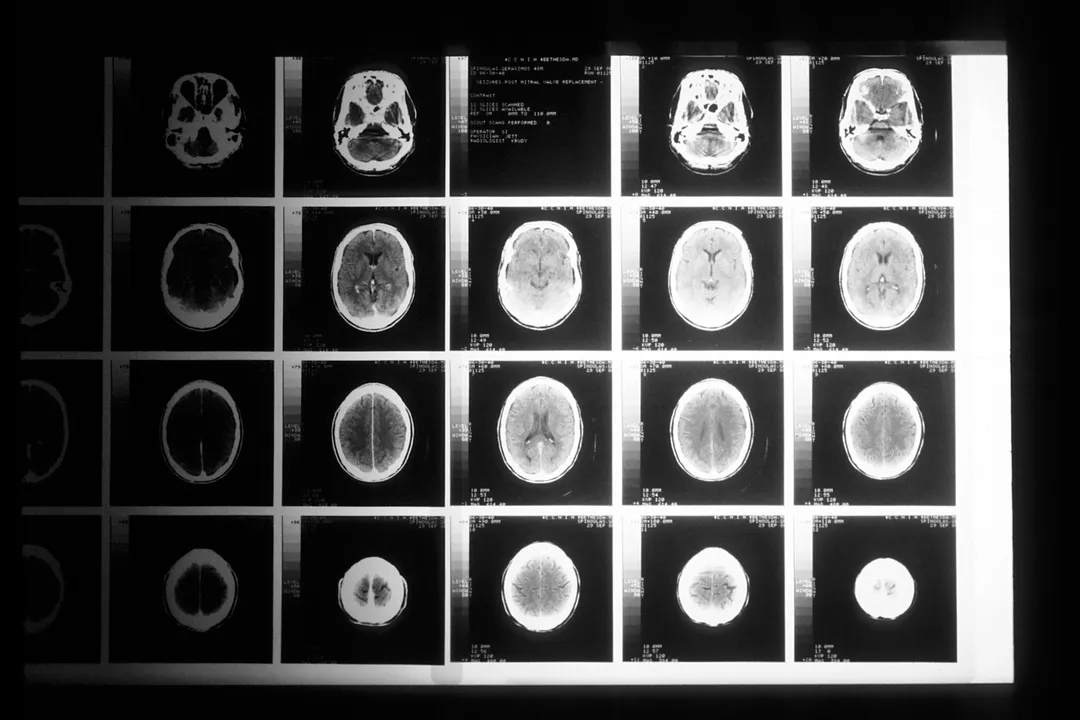
Following the confirmation of cancer in his liver, the situation became more complex. Subsequent testing revealed that the metastatic melanoma had spread further, reaching his brain. [2][9] This progression meant he was dealing with secondary metastatic brain cancer, a complication that often presents unique challenges for treatment planning, especially concerning the fragility of the brain tissue. [9]
When cancer spreads from its original location to a secondary site, such as from the liver to the brain, it is referred to as metastasis. [9] This stage is what makes melanoma particularly dangerous, as the cancer cells have successfully entered the bloodstream or lymphatic system to colonize distant organs. [8] The identification of these specific lesions in the brain required immediate and focused attention from his medical team at Emory Healthcare. [9]

# Treatment Advances

President Carter’s medical strategy represented a major shift in cancer care, heavily relying on relatively new immunotherapies rather than traditional, broad-spectrum chemotherapy which can be extremely taxing, particularly for a patient in his nineties. [3] His treatment centered on using a drug called Pembrolizumab (Keytruda). [3]
Immunotherapy functions by activating the body’s own immune system to recognize and attack the cancer cells. [3] This approach was a scientific breakthrough at the time, offering hope where older methods might have failed or caused unacceptable toxicity. [3][9] For the lesions found specifically in his brain, his doctors employed stereotactic radiosurgery, sometimes known as Gamma Knife technology. [8] This highly focused form of radiation therapy targets the precise location of the tumors with extreme accuracy, minimizing damage to the surrounding healthy brain tissue. [8]
It is worth pausing here to consider the context of receiving these cutting-edge therapies in 2015 while being over 90 years old. In previous decades, advanced age often limited the ability of patients to qualify for experimental or novel treatment protocols due to concerns about frailty and tolerance for aggressive regimens. [2] Carter’s case, and the successful application of immunotherapy, signaled a growing confidence among oncologists in using these sophisticated tools, regardless of a patient's chronological age, provided the patient was otherwise deemed fit. [2]
# Extended Life
The results following the commencement of immunotherapy were remarkably positive. By early December 2015, President Carter announced that scans showed no evidence of further cancer growth, and subsequent updates suggested the treatment had been overwhelmingly successful in addressing the metastatic disease. [3] His prognosis, initially expected to be measured in months given the stage of the cancer, stretched into years. [2]
In the years following his initial diagnosis and treatment, President Carter continued to live an active life, often returning to humanitarian work with Habitat for Humanity, far exceeding the expectations set by his advanced-stage melanoma diagnosis. [2][5] His survival has served as an important, real-world case study on the efficacy of modern combination therapy involving immune checkpoint inhibitors and focused radiation. [3] Observing the timeline from his August 2015 announcement to his declaration of clear scans later that year provides a stark contrast to older cancer protocols where long-term remission often took significantly longer to confirm, highlighting the speed at which this specific immunotherapy regimen worked in his case. [3]
The longevity achieved in President Carter’s situation has provided valuable data points for researchers investigating long-term responses to immunotherapy in metastatic melanoma patients. His experience underlines the significant difference between survival statistics drawn from older patient cohorts and the potential for long-term quality of life offered by these newer biological treatments. [1][2] While his health journey has continued to be monitored, his public battle with cancer remains a defining story of resilience and medical progress in the early 21st century. [5]
Related Questions
#Citations
Jimmy Carter's Melanoma Appears to Respond to Immunotherapy
How Has President Jimmy Carter Survived Brain Cancer for 9 Years?
How Immunotherapy Extended President Jimmy Carter's Life
Jimmy Carter's cancer: Melanomas can appear throughout the body
A look back at Jimmy Carter's health journey and thoughts on aging
Jimmy Carter - Wikipedia
While mourning death of Jimmy Carter, a look back at ... - UCLA Health
Jimmy Carter, Stereotactic Radiosurgery And Melanoma
President Carter's Diagnosis – Explaining Secondary (Metastatic ...