What is done in aftercare?

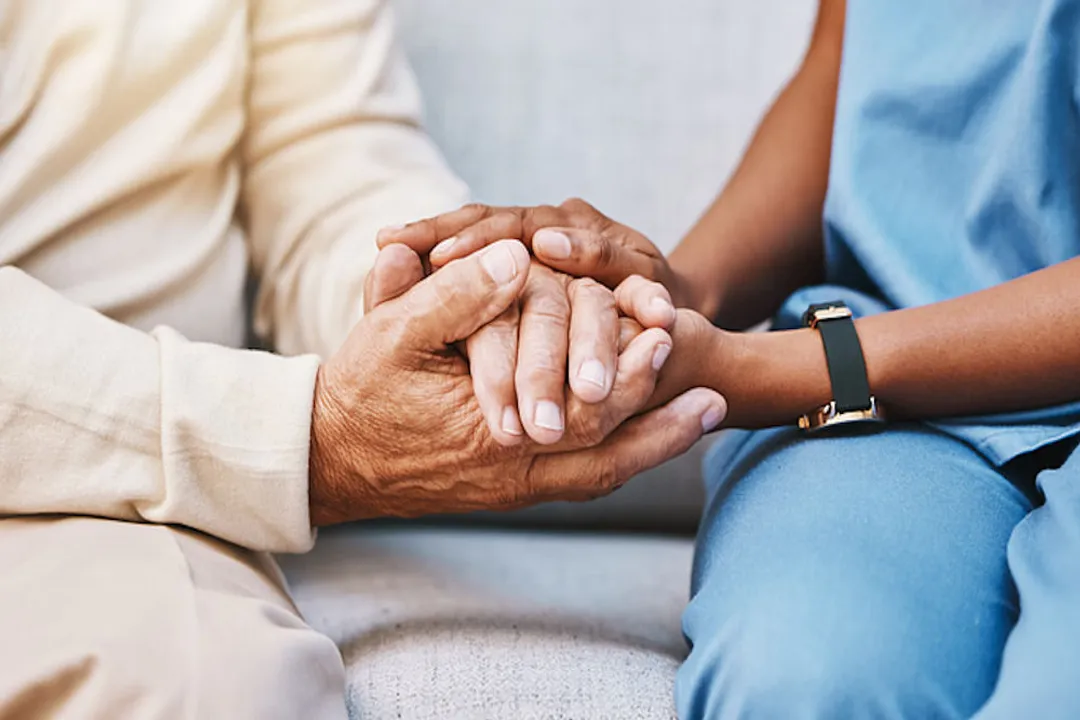
Aftercare represents the essential, long-term phase that begins immediately following primary addiction treatment, such as detoxification or residential rehabilitation. [1][2][5][7] It is not merely a suggestion to stay sober; rather, it is a structured, personalized continuation of support designed to solidify new recovery skills and manage the inevitable challenges of re-entry into everyday life. [4][5][7] Think of it as the bridge connecting the highly structured environment of a treatment center back to the complexities of home, work, and social life. [4][7] The activities undertaken in aftercare are entirely focused on preventing relapse and cultivating sustained well-being. [6]
# Defining Support

The core principle of effective aftercare is customization. What one person needs after completing thirty days of inpatient care might look vastly different from what another requires after a six-month residential stay. [4][7] It is fundamentally about maintaining momentum gained during initial treatment by embedding new behaviors and thinking patterns into a regular routine. [1][5] Where inpatient treatment focuses on immediate stabilization and breaking physical dependence, aftercare focuses on psychological and social integration. [4]
Aftercare plans must address the individual’s specific risk factors, life circumstances, and phase of recovery. [5] Successful aftercare acknowledges that recovery is not a destination reached upon leaving a facility, but an ongoing process that requires continuous, tailored engagement. [6] Sources often contrast the structure of residential care—where activities are scheduled and monitored—with the necessary self-management required during aftercare, which relies heavily on the individual’s commitment to their personalized support network. [4][9]
# Core Activities

The "doing" in aftercare revolves around several interconnected therapeutic and practical modalities. Therapy remains central, often shifting from intensive daily sessions to scheduled outpatient appointments. [1][2] This typically includes ongoing individual counseling to process deep-seated issues that contributed to substance use, as well as group therapy where individuals can share experiences and receive direct feedback from peers facing similar circumstances. [1][6] Cognitive Behavioral Therapy (CBT) or Dialectical Behavior Therapy (DBT) might continue to be employed to refine coping mechanisms for stress and triggers. [2]
Another key component is participation in mutual support groups, such as Alcoholics Anonymous (AA) or Narcotics Anonymous (NA). [1][6] These 12-step programs provide fellowship and accountability outside of clinical settings, offering meetings across countless locations and times, which aids in scheduling flexibility. [6]
A significant practical application is often found in Sober Living Environments (SLEs), sometimes referred to as transitional housing. [1] These settings provide a drug- and alcohol-free communal residence where individuals can practice independent living responsibilities—like budgeting, cooking, and commuting—while adhering to group rules and attending treatment or support meetings. [4] While not mandatory for everyone, SLEs offer crucial structure for those transitioning directly from 24-hour care. [1]
# Skill Application
It is insufficient to simply learn coping skills in therapy; aftercare is where those skills are stress-tested in the real world. [7] This phase involves actively managing triggers encountered during daily life—navigating social events, dealing with financial stress, or managing new responsibilities at work or school. [4] A critical part of aftercare activities, therefore, involves developing sober leisure activities and building a positive social network composed of supportive, non-using peers. [5] This means intentionally replacing old routines associated with substance use with new, healthy habits. [7]
For many, aftercare also means setting or resuming educational or vocational goals. [1] Re-establishing career paths or pursuing further education requires significant organization and commitment, and aftercare programs often offer resources or referrals to help manage this reintegration effectively. [1]
# Planning Phases

The creation of the aftercare plan itself is a significant activity that should start well before the primary treatment concludes. [8] A useful plan is not static; it should function as a roadmap that anticipates needs and outlines specific resources for various situations. [8] This planning involves setting measurable goals—for example, attending five meetings a week for the first month, or scheduling a check-in with a sponsor every Tuesday. [1]
When considering the structure, it is helpful to visualize aftercare as a curve rather than a flat line of support. The initial post-treatment period, often the first 30 to 90 days, demands the highest level of engagement because the risk of relapse is typically highest when external structure is removed. [4] For instance, the first three months might require weekly individual therapy and daily 12-step meetings, whereas six months in, that might realistically reduce to bi-weekly therapy and three meetings a week. This dynamic adjustment ensures resources aren't wasted or suddenly withdrawn, treating recovery like physical therapy for the mind—intensity lessens as strength builds. [7]
# Community Ties
Sustained sobriety relies heavily on feeling connected and supported by a community that understands the recovery experience. [9] Beyond formal therapy sessions, engaging with alumni networks from the treatment center or building relationships within peer support fellowships provides ongoing connection. [5][9] These groups offer a sense of belonging that counters the isolation often associated with addiction and early recovery. [5] Having contacts you can call at any time—a sponsor, a peer mentor, or a trusted housemate—is a non-negotiable component of a strong aftercare strategy. [9]
# Family Dynamics
The recovery process is rarely limited to the individual; it profoundly affects their support system, making family involvement a necessary function of effective aftercare. [3] Activities here often center on education and structured communication for the loved ones. [3] Family therapy sessions help relatives understand the nature of addiction and recovery, teaching them how to offer support without enabling destructive behaviors. [3]
Establishing clear, mutually respected boundaries is a key outcome of this work. [3] When re-entering the home environment, establishing a 'Recovery Agreement' with housemates or family members can be highly beneficial. This isn't a punitive document, but a collaborative one outlining expectations regarding visitors, substance use on the property, and clear communication channels about challenges. It moves the aftercare plan from a clinical document to a shared, lived commitment within the home structure. [3]
# Relapse Management
A mature aftercare plan must also explicitly detail what to do if a lapse or full relapse occurs. [8] This preparation removes the element of panic and shame, allowing the individual to immediately access pre-arranged resources. [8] This preparedness involves knowing exactly who to call—sponsor, therapist, or treatment center contact—and understanding the steps required to return to stability quickly, minimizing the duration and severity of the setback. [7] Treating a lapse as a correctable deviation from the plan, rather than a catastrophic failure, is a vital psychological shift cultivated during the aftercare process. [6]
# Mental Health Integration
Because co-occurring mental health disorders are common, aftercare must ensure that any psychiatric needs are continuously managed. [2] This involves ongoing communication between the addiction therapist and any existing mental health providers to ensure that medication protocols, as well as behavioral therapies, are aligned with the sobriety goals. [2] For many, the intense focus on detoxification can sometimes mask or complicate underlying anxiety or depression, and aftercare provides the necessary time and space to treat these conditions effectively alongside substance use recovery. [1] The integration of physical health monitoring, including routine check-ups and addressing any lingering physical ailments from past use, also falls under the umbrella of comprehensive aftercare. [1]
Related Questions
#Citations
What Is Aftercare in Addiction Treatment and Why It Matters for Long ...
What to Expect from Aftercare & How It Helps in Recovery
Aftercare Drug Rehabilitation l Canon Human Services
What Aftercare Really Looks Like After Rehab - Renew Health
What is Aftercare? - Golden Gate Recovery
What Is Aftercare in Addiction Recovery? | Wise Path Guide
What is Aftercare, and Why is It Important in Recovery?
Aftercare Planning | Sober Living - Into Action Recovery
What is Aftercare? - Immersive Recovery - Encinitas, CA