What is a veterinary doctor?
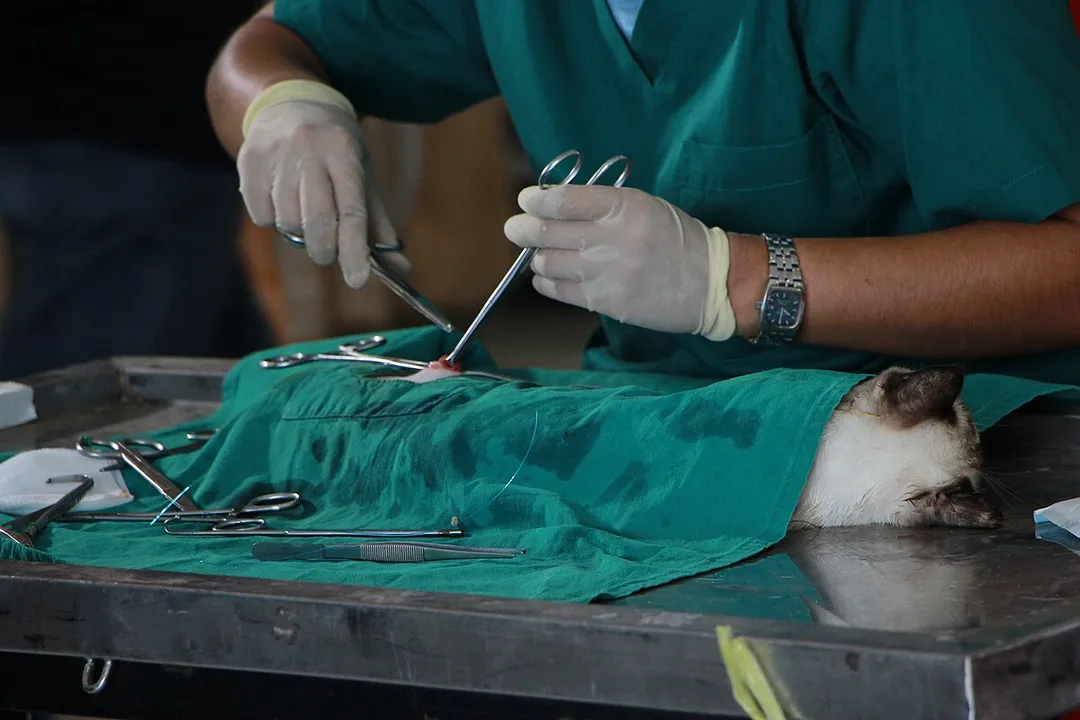
The veterinarian, often simply called a vet, is a highly trained medical professional dedicated to the health and well-being of animals. [2][3] This role extends far beyond simply treating sick pets; it encompasses a broad spectrum of responsibilities, from preventive medicine and routine checkups to complex surgery and public health surveillance. [7][8] Essentially, a doctor of veterinary medicine (DVM) or veterinarian (Vet) applies medical knowledge to diagnose, treat, and prevent disease and injury in animals across various species. [1][2]
# Defining Practice
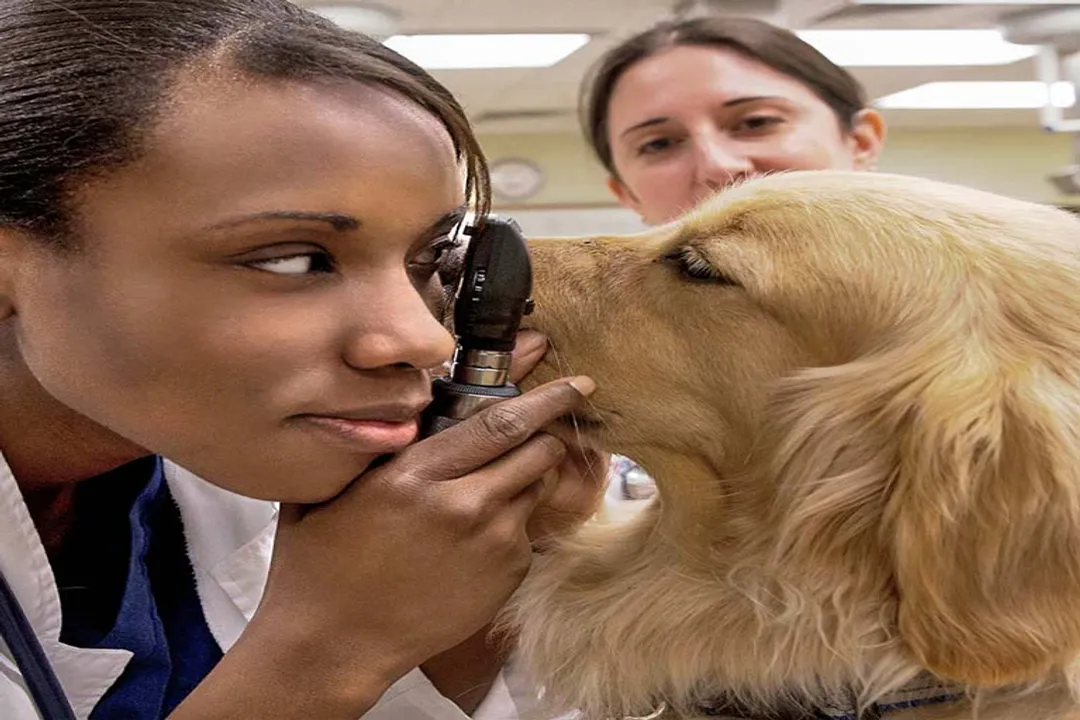
The fundamental duty of a veterinarian involves assessing an animal’s health status, a process that requires careful observation, physical examination, and often diagnostic tools like laboratory tests or imaging. [2] Once a diagnosis is reached, the vet develops and implements a treatment plan, which might involve prescribing medication, performing medical procedures, or conducting surgery. [3][8] In many settings, particularly small animal practice, a significant amount of time is dedicated not just to the physical treatment but to client education—ensuring pet owners understand the diagnosis, prognosis, and the necessary aftercare. [2] This requires doctors to be effective communicators, translating complex medical issues into understandable terms for their human clients.
Veterinary surgeons represent a specialized subset of this profession, focusing intensely on operative procedures. [8] They possess advanced training, often involving lengthy residencies after initial veterinary school, to handle orthopedic repairs, soft tissue operations, and other surgical interventions on animals. [8] While a general practitioner might perform routine spays or neuters, the highly specialized surgical team handles the most complex cases requiring specialized equipment and advanced skill sets. [8]
# Patient Variety
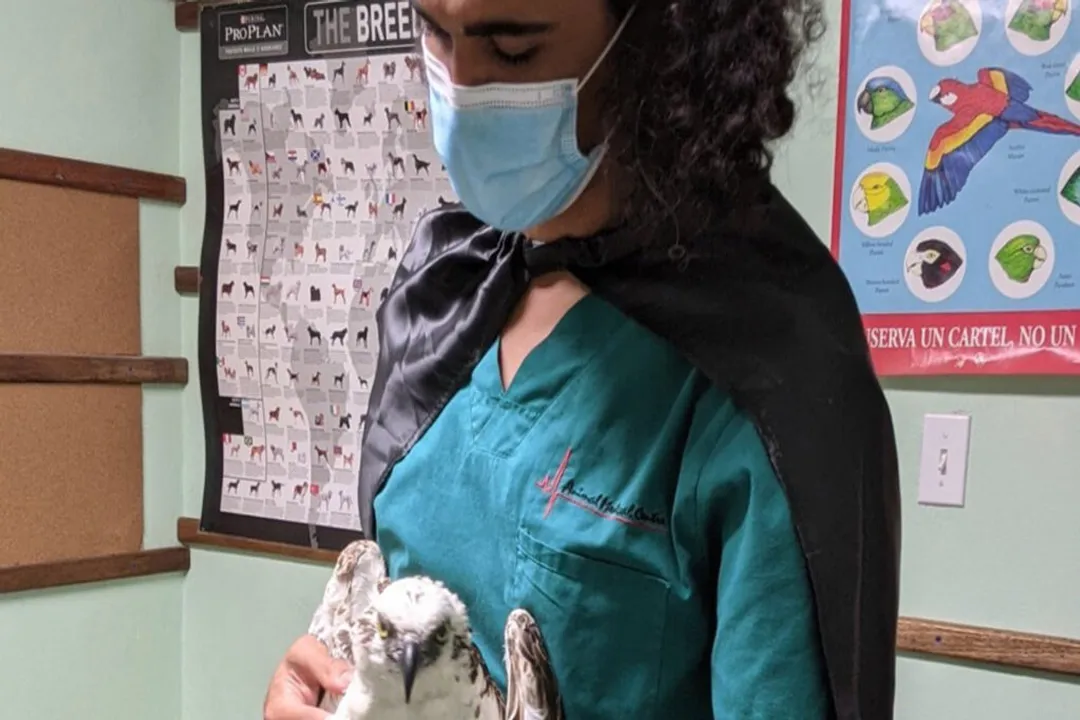
One of the most distinguishing aspects of veterinary medicine compared to human medicine is the incredible diversity of the patient base. [1][5] A single veterinarian might treat everything from a pet canary or a purebred dog to a dairy cow or a zoo elephant. [2] This variability demands that veterinarians possess knowledge spanning multiple physiological systems across numerous species. [1]
Roles are generally segmented based on the type of animal served:
- Companion Animal Practice: Working primarily with dogs, cats, and sometimes pocket pets in private clinics. [5] This area focuses heavily on preventative care, chronic disease management, and owner education. [3]
- Food Animal Practice: Caring for livestock such as cattle, swine, and poultry on farms. These veterinarians often focus on herd health, productivity, and ensuring food safety standards are met. [5]
- Equine Practice: Specializing in horses, which may involve both ambulatory work (visiting stables) and hospital care for lameness or internal medicine issues. [5]
- Exotic and Zoo Animal Practice: Dealing with less common pets (reptiles, birds, small mammals) or animals in zoological settings, requiring highly specific biological knowledge. [1]
It is interesting to consider how the economics of care change drastically between these settings. While a pet owner might face a difficult decision regarding the cost of a complex surgery for a beloved companion animal, a large food animal practitioner is often dealing with the economics of the entire herd, where veterinary interventions must show a clear return on investment for the producer. [2]

# Training Required

Becoming a veterinarian is a long and rigorous educational process, confirming the high level of expertise required for the role. [5] In the United States, individuals seeking to practice must earn a Doctor of Veterinary Medicine (DVM) or Veterinary Medical Doctor (VMD) degree. [1][5] This generally requires approximately four years of undergraduate study followed by four years of intensive veterinary professional training. [5]
The curriculum in veterinary school is demanding, covering areas like anatomy, physiology, pharmacology, pathology, and surgery across multiple species. [1] Upon graduation, newly minted veterinarians must pass national and often state-specific licensing examinations to legally practice medicine. [5] For those pursuing specialized fields, like becoming a veterinary surgeon, additional years of supervised residency training are mandatory following graduation. [8]
# Career Tracks
While most people picture a vet working in a local clinic, the DVM degree opens doors to many diverse professional settings. [6] Private practice remains the most common employment setting, particularly for those focused on companion animals. [1][5] However, veterinarians are also employed in roles that directly benefit public welfare and scientific advancement. [7]
Many veterinarians work in state or federal government agencies. Here, they might be involved in regulatory medicine, ensuring the safety of the nation's food supply, monitoring animal populations for disease outbreaks, or enforcing animal welfare laws. [1][2] Research veterinarians contribute to scientific knowledge, often working in academic institutions or pharmaceutical companies to develop new drugs, vaccines, and better medical understanding applicable to both animals and humans. [5] Furthermore, some veterinarians work in industry, focusing on animal nutrition or product development. [6]

# Health Protection
A less visible but critically important function of the veterinarian is their role in public health. [7] Veterinarians are on the front lines of identifying and controlling zoonotic diseases—illnesses that can pass between animals and people. [7] Rabies, avian influenza, and Lyme disease are just a few examples where veterinary surveillance is essential for protecting human communities. [7] By diagnosing and controlling diseases in animal populations, veterinarians act as essential guardians of public health, often detecting potential threats before they become human epidemics. [7] This responsibility connects the profession closely with human medical practitioners, highlighting a shared commitment to One Health principles. [7]
If you are considering bringing a new pet home, knowing what your veterinarian prioritizes in initial wellness exams can be beneficial. A thorough first visit typically involves a complete physical assessment, reviewing vaccination records, discussing diet and behavior, and often performing a fecal exam to check for parasites. [2] Being prepared with a complete medical history for your animal can significantly speed up the diagnostic process and allow the veterinarian to focus more quickly on any immediate concerns you might have.
The breadth of the profession means that the day-to-day activities rarely become monotonous. Whether it is managing a complicated anesthetic during a feline orthopedic surgery, consulting with a farmer on biosecurity protocols for a large poultry operation, or reviewing import/export regulations for exotic species at a port, the veterinary doctor applies a deep scientific foundation to practical, tangible problems affecting the living world around us. [1][2][5] This intersection of science, direct patient care, and broad societal impact solidifies the veterinarian’s position as a multifaceted professional dedicated to animal and public health. [7]
Related Questions
#Citations
Veterinarian
What Does a Veterinarian Do? | VetaHumanz
What Do Veterinarians Do | Ross Vet
Veterinarians : Occupational Outlook Handbook
What Is a Veterinarian?
What is a Veterinarian? Role, Education & Benefits
Veterinarians: Protecting the health of animals and people
What is a Veterinary Surgeon