Is sourdough ok for yeast allergy?
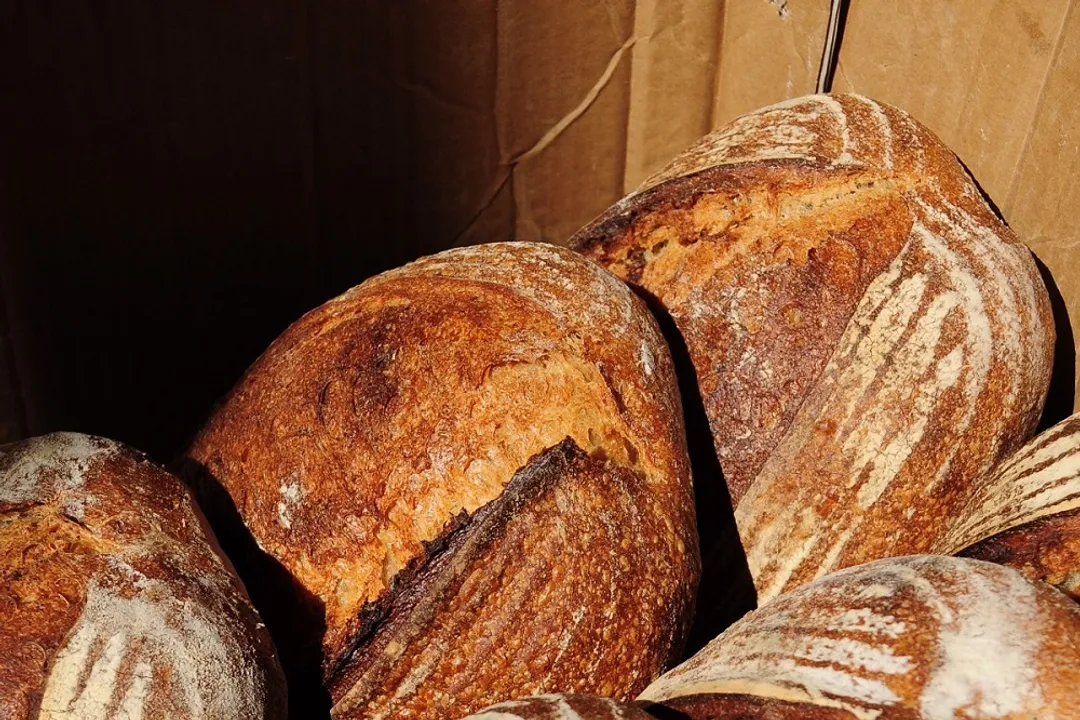
The question of whether sourdough bread is compatible with a yeast allergy is one of the most commonly debated topics in baking and dietary restriction circles. For many people, the term "yeast" is broadly associated with digestive discomfort or adverse reactions, leading to the assumption that any leavened bread, including naturally fermented sourdough, must be strictly off-limits. However, the answer is far more complex, hinging entirely on the precise nature of the adverse reaction: is it a true, immune-mediated allergy, or is it an intolerance or sensitivity?
Sourdough itself is inherently not yeast-free in its origin. A genuine sourdough process relies on a live starter culture—a symbiotic blend of lactic acid bacteria and wild yeasts—that naturally colonize from the flour and the surrounding environment. To determine safety, one must first dissect what is actually being avoided.
# Defining the Reaction
To approach this safely, it is essential to clearly separate a yeast allergy from a yeast intolerance or sensitivity, as the required dietary response differs significantly.
# Allergy Versus Intolerance
A true yeast allergy is an immune system response. It occurs when the body mistakes proteins present in yeast cells as foreign invaders and produces antibodies to fight them, leading to the release of histamine and causing symptoms like hives, respiratory issues, or, rarely, anaphylaxis. Most commonly, allergies are directed toward the proteins in Saccharomyces cerevisiae, the strain used as commercial baker's yeast. Crucially, the reaction is to the protein content, not necessarily the live organism.
In contrast, yeast intolerance is not immune-mediated. It generally presents as gastrointestinal distress—bloating, cramps, diarrhea, or constipation—due to the body struggling to properly digest the yeast or its byproducts.
Medical professionals often emphasize that accurate diagnosis is key. If someone suspects a yeast issue, they should consult an expert to isolate the cause, as symptoms can overlap with other sensitivities, such as gluten or mold.
# The Medical Stance on Avoidance
For an individual with a medically confirmed, severe yeast allergy, particularly one that involves cross-reactivity with various fungi, the advice may necessitate the complete elimination of all yeast-containing foods. This strict management protocol can extend beyond baked goods to include certain fermented items and even specific nutritional supplements, as B vitamins are often grown using yeast cultures.
However, the source of the allergy matters. If testing confirms the allergy is specifically to the proteins in Saccharomyces cerevisiae (baker's yeast), then switching to a bread made with naturally occurring, wild strains might be a viable path for some individuals. But this is a distinction that must be confirmed by an allergist, as there is no guarantee that wild strains will not provoke a reaction.
# Sourdough Microbes

The core issue in the sourdough debate is that while genuine sourdough does not use added baker's yeast, it absolutely contains yeast. The starter is cultivated by nurturing wild yeasts and lactic acid bacteria that reside on grain surfaces and in the air.
# Wild Yeasts
These wild yeasts, which coexist with bacteria in a symbiotic relationship, are what generate the carbon dioxide necessary for the dough to rise. While some of these wild yeasts may belong to the Saccharomyces genus—potentially even the S. cerevisiae species—they are generally different strains from the commercially modified, fast-acting baker's yeast. Commercial strains have been selectively bred for rapid gas production and consistency, a characteristic the slower, wild strains lack.
The beneficial aspect of sourdough fermentation lies in this slow, complex interaction. The longer fermentation period, driven by both the wild yeast and the bacteria producing lactic and acetic acids, alters the dough's composition, potentially leading to better flavor, texture, and digestibility compared to fast-proofed loaves.
# The Role of Bacteria
The presence of lactic acid bacteria is what defines the "sourdough" profile. These bacteria metabolize sugars, producing acids that give the bread its characteristic tang, which can range from mild to sharp depending on the baker's technique.
When comparing traditional sourdough to yeasted bread, one perspective suggests that if the difference is merely the leavening agent (wild yeast vs. commercial yeast) combined with a slow, long process, the resulting bread may be much easier to digest for many people. The long fermentation breaks down complex molecules in the flour.

# Post-Bake Status
A critical point for anyone concerned about consuming live organisms is the effect of the oven. Regardless of whether commercial yeast or a sourdough starter is used, the internal temperature of bread must reach at least () during baking. At these high temperatures, all live yeast cells are killed. Therefore, a properly baked loaf of any kind contains no viable, living yeast—only dead cells and their metabolic byproducts.
For someone with a true allergy to yeast proteins, the dead cells and residual proteins remain a concern, as heat does not destroy the allergenic substance itself. For those dealing with intolerance or issues related to fermentation byproducts, the living organisms are gone, which often makes sourdough significantly more tolerable than bread made with rapid, high-yeast methods.
# The "Sourfaux" Confusion
A significant hurdle for anyone navigating a yeast sensitivity is the market confusion surrounding the word "sourdough." Many mass-produced loaves labeled as sourdough are what the Real Bread Campaign terms sourfaux.
Genuine sourdough is a process, meaning bread leavened only with a live sourdough culture, without additives or commercial yeast. Sourfaux, conversely, may use commercial baker's yeast or chemical leavening agents like baking powder, sometimes alongside added ingredients like dried sourdough powder or vinegar simply to mimic the sour flavor.
If a person reacts to baker's yeast, eating sourfaux—which contains added baker's yeast—will certainly trigger a reaction, leading them to falsely conclude that all sourdough is problematic. For those seeking genuine sourdough for potential tolerance benefits, avoiding products that simply use the word "sourdough" as shorthand for flavor or style, without adhering to the traditional process, is vital.
| Bread Type | Primary Leavening Agent | Contains Commercial Yeast (S. cerevisiae)? | Contains Live Yeast After Baking? | Potential Issue for Allergy Sufferers |
|---|---|---|---|---|
| Standard Bread | Baker's Yeast | Yes | No | High likelihood if allergic to S. cerevisiae protein |
| Genuine Sourdough | Wild Yeast/Bacteria Culture | No (ideally) | No | Depends on cross-reactivity with wild strain proteins |
| "Sourfaux" | Baker's Yeast or Chemical Agent + Flavorings | Often Yes | No | High likelihood, as commercial yeast is often added |

# Practical Guidance for Testing Tolerance
Given the spectrum of reactions—from severe allergy to mild intolerance—a structured approach is necessary before dismissing sourdough entirely.
# Medical Confirmation First
If the dietary restriction stems from a diagnosis, always defer to your supervising clinician or allergist. If a formal diagnosis points to a rare allergy against all yeast proteins, even the wild strains found in a starter, then sourdough should likely be avoided, along with other fermented foods like some wines, vinegars, and certain cheeses.
If the diagnosis is less certain, or if the issue is believed to be intolerance, anecdotal evidence suggests a significant number of people who cannot tolerate standard commercial bread find genuine sourdough acceptable. The difference is often attributed to the different yeast strains or the long fermentation process that breaks down complex carbohydrates and other compounds.
# Home Baking as a Control Measure
For those struggling with commercial yeast, the most informative step is often to bypass the ambiguity of store-bought products entirely and attempt to bake with a genuine sourdough starter at home. This allows for absolute control over ingredients. If you cultivate your own starter with only flour and water, you ensure the elimination of common additives, dough conditioners, and, most importantly, added commercial yeast. This controlled environment helps distinguish a reaction to a specific commercial yeast strain or processing method from a reaction to the wild yeasts themselves.
A useful consideration when cultivating a starter for this purpose is the choice of flour. While many starters are built on wheat flour, experimenting with a starter based purely on rye or gluten-free grains can alter the initial microbial composition. Different grain surfaces harbor different populations of wild microorganisms, which might yield a culture that is tolerated better than one grown under different environmental conditions.
# Dietary Adjustments for Intolerance
If the issue is yeast intolerance, the focus should shift from avoiding the bread's microbial origin to avoiding factors that encourage internal yeast overgrowth or irritate the gut. Tips for managing general yeast intolerance include limiting high-sugar items, as sugar feeds internal yeast populations. This means being wary of concentrated fruit juices, honey, and sweets. Similarly, fermentation byproducts like vinegar and many alcoholic beverages (beer and wine) should be minimized, though distilled spirits are often tolerated because they skip the fermentation step. Instead, focus on safe proteins like meat and eggs, and embrace high-fiber grains such as quinoa or millet over wheat when possible. Furthermore, incorporating probiotic yogurt may help balance the gut's natural microflora.
Ultimately, for someone with a diagnosed yeast allergy, consuming sourdough carries a risk that must be weighed against the benefit of enjoying bread. For those with a milder intolerance, a properly made, traditionally leavened sourdough is often an attainable, and welcome, return to real bread, provided they are diligent in sourcing or baking a loaf free from commercial yeast additives.
Related Questions
#Citations
Sourdough vs Yeast - Simple Kneads
When is yeast forbidden? – A guide for allergy and ...
My sister is allergic to yeast and misses bread terribly. ...
Yeast intolerance diet tips - Saga
Can you eat sourdough bread on a yeast-free diet?
Sourdough | Real Bread Campaign
Am I Allergic to Yeast?
Candida Mold and Yeast Allergies