What critical function do the deep, extensive roots of Panicum virgatum fulfill in North American ecosystems?
Answer
Knitting the soil together to prevent erosion
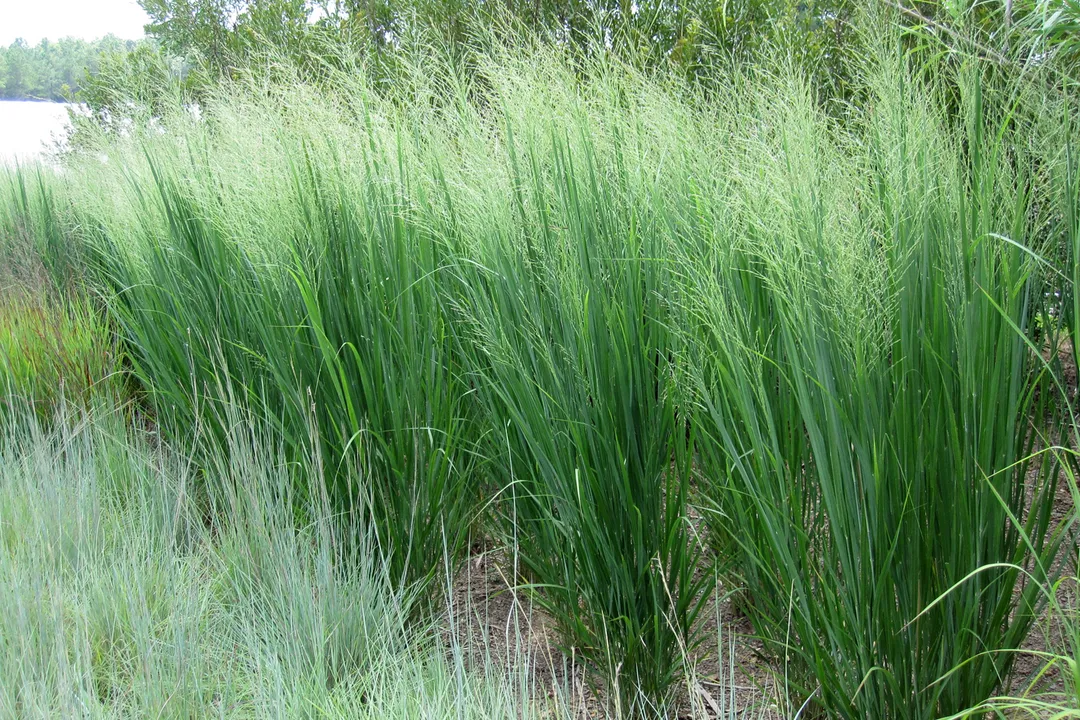
The root system of Switchgrass is not only deep and extensive, contributing to its drought tolerance, but it also serves a vital structural role in soil stabilization. These fibrous roots penetrate the earth deeply and spread outward, effectively binding soil particles together. This knitting action is crucial for preventing soil displacement, particularly in areas prone to disturbance, such as slopes or along the banks of waterways where the plant demonstrates tolerance for periodic flooding. This ecological service underscores its importance both in its native prairie habitat and in restoration sites focused on land preservation.
Related Questions
What is the approximate global species count for the genus Panicum?What type of perennial grass is Panicum virgatum defined as regarding its growth season?When is the best management strategy for pruning established Switchgrass clumps?Which ecosystem is Panicum virgatum a fundamental component of alongside Big Bluestem?What specific light level is demanded for Panicum virgatum to perform best and show true colors?What critical soil condition must Panicum virgatum meet for long-term health besides light exposure?What advantage do named Switchgrass cultivars like 'Shenandoah' offer over native ecotypes in residential gardens?What is the typical height range, in feet, generally reached by established Switchgrass clumps?What visual element do Switchgrass dried flower plumes provide in the winter landscape?What critical function do the deep, extensive roots of Panicum virgatum fulfill in North American ecosystems?