What is penicum?
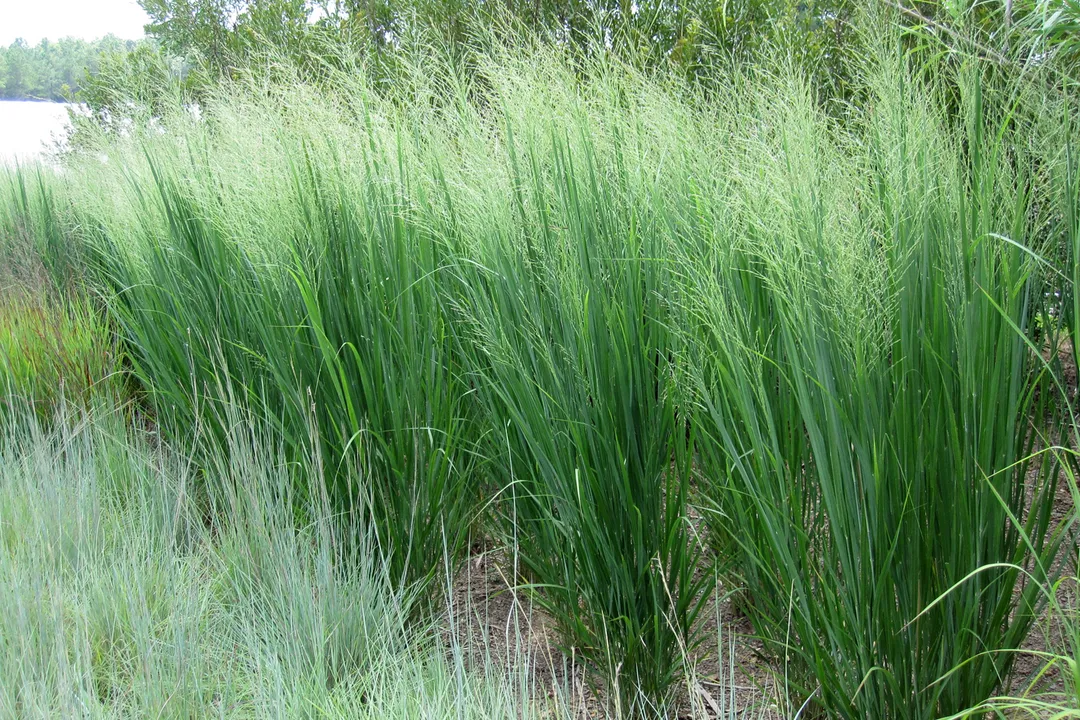
The term Panicum refers to a large genus of grasses within the family Poaceae, encompassing hundreds of species scattered across various global environments. [1][9] While the genus is broad, for many gardeners, conservationists, and landscapers, the name has become almost synonymous with one particular species: Panicum virgatum, commonly known as Switchgrass. [3][5][6] Understanding Panicum requires looking at both the wide classification and the focused success story of its most celebrated member, which anchors itself firmly in North American ecosystems and modern ornamental design. [9][10]
# Genus Scope
As a recognized genus, Panicum is distributed widely, offering a diverse array of growth habits and forms. [1] The members of this group are grasses, meaning they share the fundamental characteristics of that family, such as fibrous root systems and typically inconspicuous flowers arranged in spikelets. [9] However, the sheer number of species—estimated to be around 450 globally—means that characteristics can vary significantly from one plant to the next within the genus. [1] When looking at botanical descriptions, it's crucial to note the specific species, as the traits of a tropical Panicum will differ markedly from the temperate, warm-season species most familiar in North American horticulture. [10]
# Switchgrass Profile
Focusing specifically on Panicum virgatum, Switchgrass stands out as a significant warm-season perennial grass. [3][10] This means it thrives during the heat of summer, putting on its primary growth when cool-season grasses are slowing down. [10] It is naturally found across a vast territory in North America, thriving in environments ranging from dry uplands and savannas to wetter areas like floodplains. [3][5] Its adaptability is reflected in its ecological role; it is a fundamental component of the tallgrass prairie ecosystem, often growing alongside Big Bluestem and Indian Grass. [10]
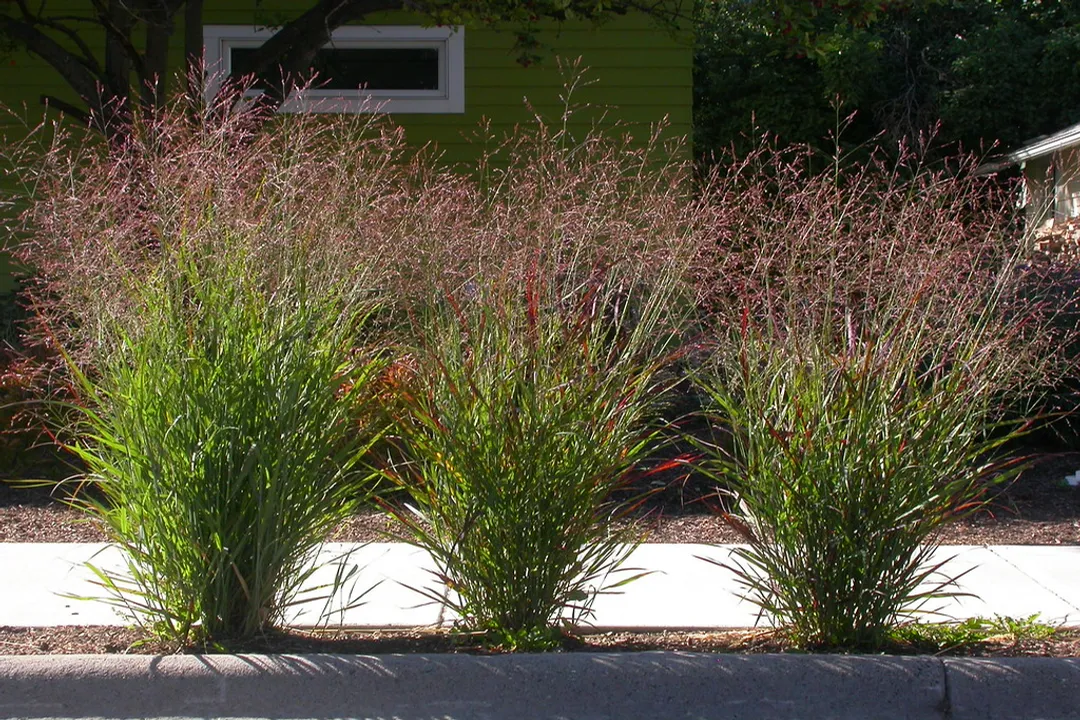
Physically, Switchgrass develops into substantial clumps, generally reaching heights between 3 and 6 feet, though some variations can certainly exceed or fall short of this range. [3] Its structure is upright and airy, characterized by slender stems topped by wispy flower panicles that often persist well into winter. [6] The leaves are flat, relatively wide for a native grass, and often display a blue-green or grey-green coloration, though cultivars have been bred to introduce striking reds and yellows. [6] A key survival mechanism for this plant is its deep and extensive root system, a trait that defines its hardiness in natural settings. [2][3]
# Cultivar Diversity
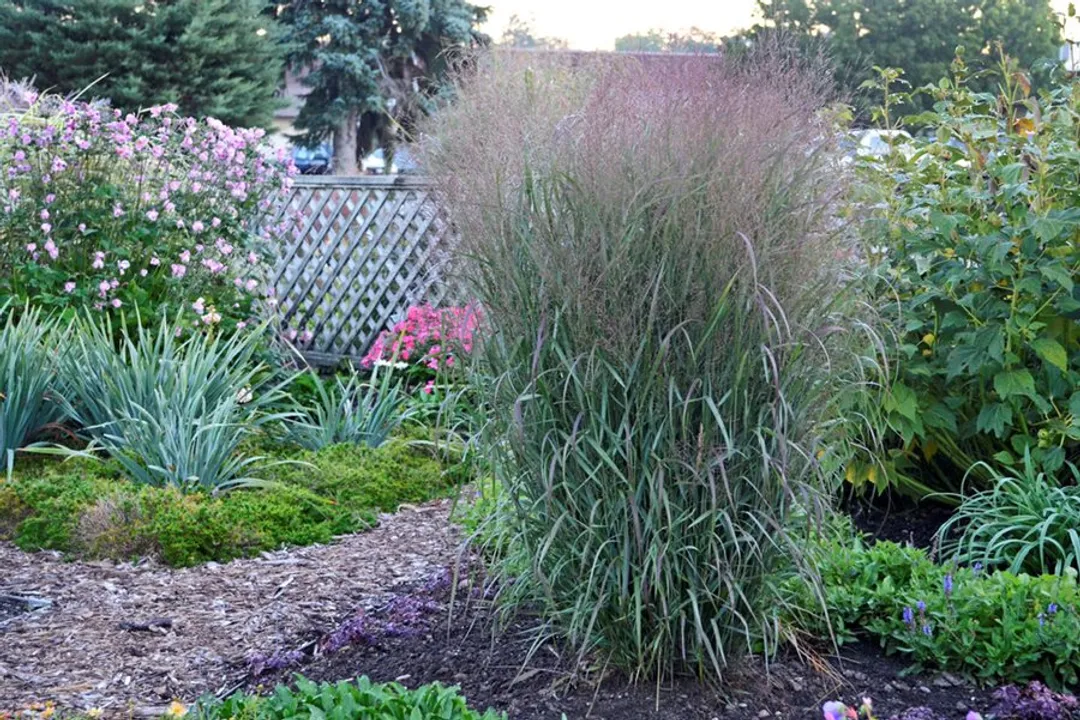
The inherent strength and visual appeal of wild Switchgrass have led horticulturists to select and propagate numerous named cultivars, dramatically expanding its use beyond ecological restoration. [6] While the species itself is impressive, cultivars offer specific, predictable traits valued in landscape architecture, such as stricter upright habits, superior drought tolerance, or intense seasonal coloration. [2][6]
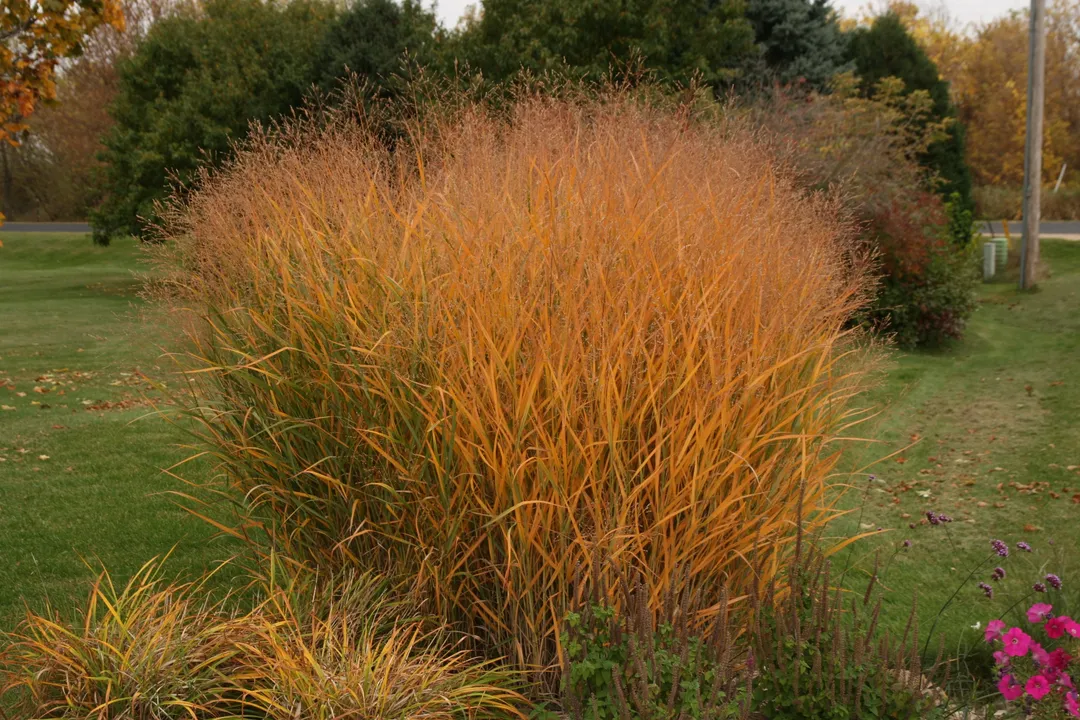
For instance, some popular selections are bred primarily for upright stature and strong vertical lines, making them excellent choices for creating screens or structural accents in a border. [6] Conversely, other cultivars are celebrated for their seasonal color shifts. You might find varieties that emerge with a bluish cast, transition to deep reds or purples in the fall, and maintain that color well into dormancy. [6] Considering the source material, a landscape designer weighing options between wild-type P. virgatum seed and a named cultivar must assess their primary goal. If the goal is habitat restoration or biofuel feedstock, the genetic diversity of native ecotypes is preferred. [5] If the goal is a specific, uniform aesthetic in a suburban garden, choosing a named cultivar like 'Shenandoah' or 'Heavy Metal' provides predictable color and height. [6] This targeted selection contrasts sharply with the broader genetic variability found in plants sourced directly from local prairie populations. [10]
# Native Role
The ecological importance of Switchgrass cannot be overstated, especially within the context of North American prairies. [10] As a major species in these vanishing ecosystems, it provides essential structure, shelter, and nesting material for various wildlife species. [5] Its fibrous roots knit the soil together, which is critical for preventing erosion, particularly on slopes or along waterways, where it can tolerate periodic flooding. [2][3] Furthermore, its ability to thrive in poor or dry soils, combined with its efficient use of resources, has positioned it as a candidate for bioenergy production, offering a renewable resource alternative. [5] This dual functionality—as both an ecological pillar and a potential modern resource—lends Panicum virgatum a unique status. [5][10]
# Growing Needs
Successfully integrating Switchgrass into a managed landscape, whether an ornamental garden or a restoration site, relies on matching its specific environmental requirements. [3][10] As a warm-season grass, it demands full sun to perform its best; insufficient light will often lead to floppiness, weak stems, and a failure to develop its characteristic blue or red summer/fall tones. [3][10]
When establishing the plant, soil quality is less critical than drainage and light exposure. While it is notably drought-tolerant once mature due to its deep roots, young plants require consistent moisture to establish that system. [2][3] It adapts well to a wide range of soil types, including sand, loam, and clay, but it absolutely requires well-draining conditions; soggy, perpetually waterlogged soil is detrimental to its long-term health. [3][10]
For those managing established clumps, the best practice for rejuvenation involves pruning, a point where many gardeners can add value through proactive care. Because Switchgrass stays architecturally attractive throughout the dormant season, cutting it back too early can sacrifice winter interest. [6] A very effective management strategy involves waiting until late winter or very early spring, often just before new shoots begin to emerge from the base, to cut the old stems down to a few inches above the ground. [10] This timing ensures that the plant has provided aesthetic and habitat value for the maximum duration while clearing the way for vigorous new summer growth. Waiting too long risks having to weave through a dense, tangled mass of last year's growth to prune it effectively.
# Landscape Use
In landscape design, Panicum virgatum offers textural contrast that few other plant types can replicate. [6] Its stiff, upright habit creates strong vertical lines that contrast beautifully with mounding perennials or the softer forms of shrubs. [6] This verticality is especially useful in contemporary or minimalist garden designs where clean lines are desired. [6]
Its seasonal transformation is perhaps its greatest asset. In the summer, the foliage provides a dense, mid-level screen or backdrop. [3] As temperatures drop, the foliage and seed heads often transition to striking copper, tan, or reddish hues, providing essential color when woody plants have defoliated. [6] The dried flower plumes often catch the low winter sun, adding a shimmering texture that remains long after the first hard frost. [6] This characteristic means that selecting Panicum is not just about summer greenery; it is about securing four-season interest from a single plant selection. [6] Furthermore, for those gardening in regions where native grasses are valued, integrating Switchgrass helps connect cultivated spaces back to local ecological context, even in small ways. [3]
# Conclusion
The plant known as Panicum opens a door to a vast grass family, but the reality for the modern consumer is that this door most often opens onto the prairie expanse represented by Panicum virgatum. [1][9] From its deep, anchoring roots that stabilize North American soils to the delicate, persistent plumes that add texture to a winter garden, Switchgrass demonstrates exceptional versatility. [2][3][6] Whether selected for its ecological services in a restoration plot or chosen for its dramatic color shifts in a residential border, this species embodies resilience and beauty within the Poaceae family. [5][10]
Related Questions
#Citations
Panicum - Wikipedia
Dig deeper into Switchgrass, the genus Panicum. - Hoffman Nursery
Panicum virgatum - Plant Finder - Missouri Botanical Garden
Panicum virgatum - NatureServe Explorer
Native Plant Profile: Switchgrass (Panicum virgatum) - Maryland News
Switchgrass (Panicum virgatum): A Growing Guide - Garden Design
Panicum (Panic Grass) - FSUS - Flora of the Southeastern US
Panicum virgatum | Clemson University, South Carolina
Panicum | Grass, Ornamental, Perennial - Britannica
Switchgrass, Panicum virgatum - Wisconsin Horticulture