Can you live without dust?

The notion of a perfectly dust-free existence often sounds like a utopian dream, especially for those who spend weekends battling visible layers on furniture or suffer from chronic allergies. Yet, the reality is that dust is an unavoidable component of our environment, both inside and outside our homes. [9] It is not just inert dirt; it is a complex, heterogeneous mixture of particles generated by countless sources, and understanding what it is made of is the first step toward grasping whether complete elimination is possible. [1]
# Dust Composition

What we casually refer to as "dust" is actually a constantly circulating collection of fine particles that settle on surfaces. [9] This mixture is highly variable depending on location, season, and the activities occurring indoors. [1] A significant portion of indoor dust originates from outside—things like soil particles, pollen, and pollutants carried in on shoes or through open windows. [1] However, the bulk of household dust is generated internally. This includes shed human skin cells, textile fibers from clothing, upholstery, and carpets, pet dander, tracked-in dirt, and combustion byproducts. [1][9]
If you live with pets, the composition shifts to include more dander, which is a major trigger for allergic reactions. [7] If you live near busy roads or industrial areas, your dust load will likely contain more particulate matter from vehicle exhaust and emissions. [1] Experts note that this mix can also contain surprising, and sometimes concerning, ingredients. For example, research has found evidence of toxic flame retardants, heavy metals, and phthalates within household dust samples, which means that simply avoiding visible dust might not eliminate exposure to chemical contaminants. [5]
# Health Concerns
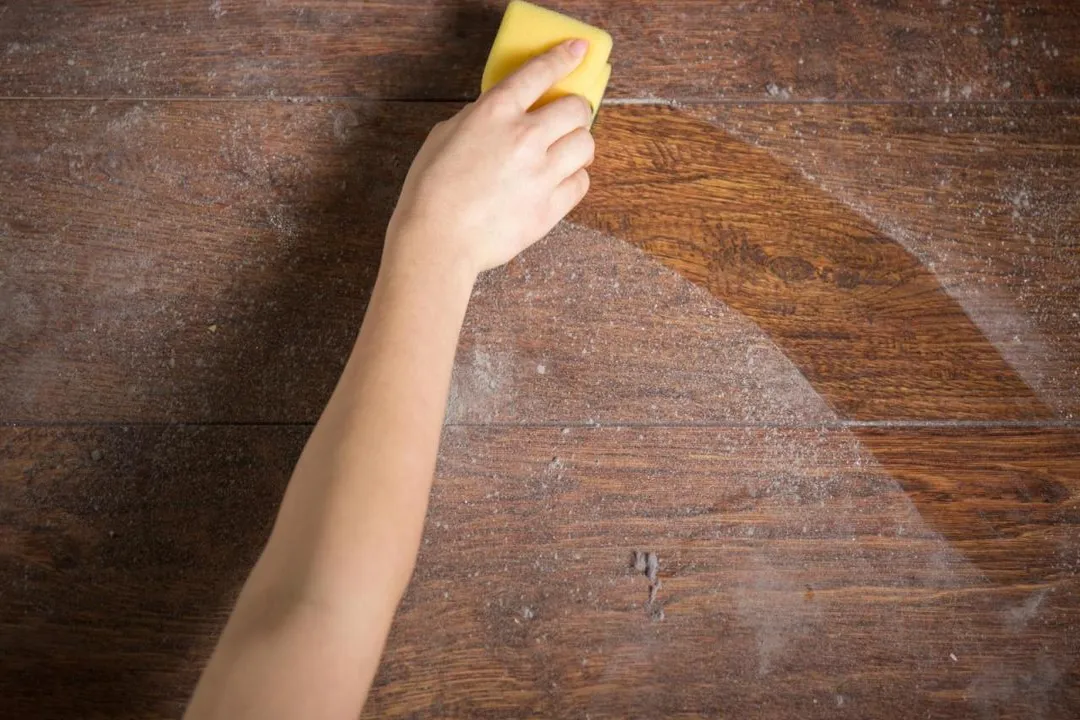
The primary reason people worry about dust is its direct impact on health, ranging from minor irritation to significant chronic issues. For many, the concern centers on dust mites, microscopic organisms that thrive in warm, humid environments like bedding, upholstered furniture, and carpets. [7][10] While the mites themselves are often not the main culprit, their waste products are potent allergens. [7] Exposure to these allergens can trigger asthma symptoms, allergic rhinitis, and other respiratory problems. [1][8] Even in homes perceived as clean, these allergens can persist. [7]
For individuals without specific dust mite allergies, inhaling dust can still cause irritation. It may lead to dry eyes, scratchy throats, and general respiratory discomfort simply due to the physical presence of particles in the airways. [8] Some sources suggest that prolonged exposure to a heavy accumulation of dust, perhaps accumulated over a year without cleaning, could be detrimental to health, though this often ties back to the allergenic or chemical components rather than the organic debris itself. [4]
It is important to distinguish between acute reactions and long-term exposure risks. An asthma sufferer will react much more severely to a day's accumulation of dust than a generally healthy person. [8] However, the presence of persistent, toxic substances like heavy metals or flame retardants within the dust stream means that everyone is absorbing something potentially harmful through inhalation or ingestion (as dust settles on food or hands) over time. [5]
Let's look at the difference between the immediate threat and the slow accumulation. A person who hasn't dusted in a year might find their immediate symptoms are caused by a massive release of settled mite allergens when the TV remote is moved, whereas someone diligently cleaning might still face a low, chronic dose of chemical exposure from dust particles that are too small to see or easily wipe away. [4][5]

# Elimination Feasibility
Can you actually live in an environment entirely devoid of dust? The short answer, supported by environmental science, is virtually no, not on this planet. [2] Dust is constantly generated by the environment and by human activity within that environment. [1]
People often ask about living in remote locations, like the high desert or deep woods, hoping to escape indoor pollutants. [2] While moving to a remote, dry area might drastically reduce outdoor sources entering the home—like traffic pollution or high pollen counts—it will not stop the internal generation of dust. [2] Fibers shed from your clothing, skin cells sloughed off daily, and particles tracked in on shoes remain unavoidable. [1]
One user on a public forum mentioned living in a remote, dry environment but still finding a layer of dust on their bookshelf after a week, suggesting that even in supposedly pristine settings, the internal sources dominate. [2] Even in the most controlled settings, like hospitals or cleanrooms, the goal is not zero dust, but reducing particulate matter to an extremely low, measurable concentration appropriate for the sensitive activity taking place. [1] For the average person, achieving zero dust would require sealing the living space completely, halting all human and pet activity, and continuously filtering the air—a condition more akin to a laboratory than a home. [2]
To put the constant influx into perspective, consider the sheer volume of shedding that occurs. An average adult sheds millions of skin cells every day. [1] Even if a high-efficiency filter removes 99.97% of airborne particles, the particles that settle on surfaces or are too large to be captured by the HVAC system will eventually become airborne again through normal movement, creating a continuous cycle. [10] Therefore, the practical goal shifts from total elimination to aggressive, managed reduction. [6]
# Control Strategies
Since elimination is impossible, the focus must turn to effective control and reduction, addressing both airborne particles and settled debris. [6][10] A multi-pronged approach targeting the sources, the air pathways, and the surfaces is most effective.
# Source Management
The first line of defense is minimizing what enters and what is created inside the home. [6]
- Entry Control: Implement a strict "no shoes inside" policy, which is a remarkably effective way to keep soil, pollen, and tracked-in debris from becoming indoor dust. [6] Keep windows and doors closed when outdoor pollution or pollen counts are high. [6]
- Damp Cleaning: When cleaning surfaces, avoid dry dusting, which simply throws particles back into the air to resettle later. [6][10] Instead, use a damp cloth or a microfiber cloth designed to trap particles. [6]
# Air Filtration
Mechanical air filtration is essential for managing the fraction of dust that becomes airborne. [10]
- HVAC Filters: Regularly check and change the filters in your heating, ventilation, and air conditioning (HVAC) system. [6] Higher MERV-rated filters (Minimum Efficiency Reporting Value) can capture smaller particles, though you must ensure your system can handle the increased resistance. [10] A MERV rating of 11 to 13 is often recommended for residential use, balancing filtration capability with airflow for most standard systems. [10]
- Portable Units: Using portable air cleaners equipped with HEPA (High-Efficiency Particulate Air) filters in frequently used rooms can significantly scrub the air of fine particles, including allergens and chemical residues. [3][10]
# Surface Maintenance
Targeting settled dust is crucial because anything on a surface can be disturbed and inhaled. [4][10]
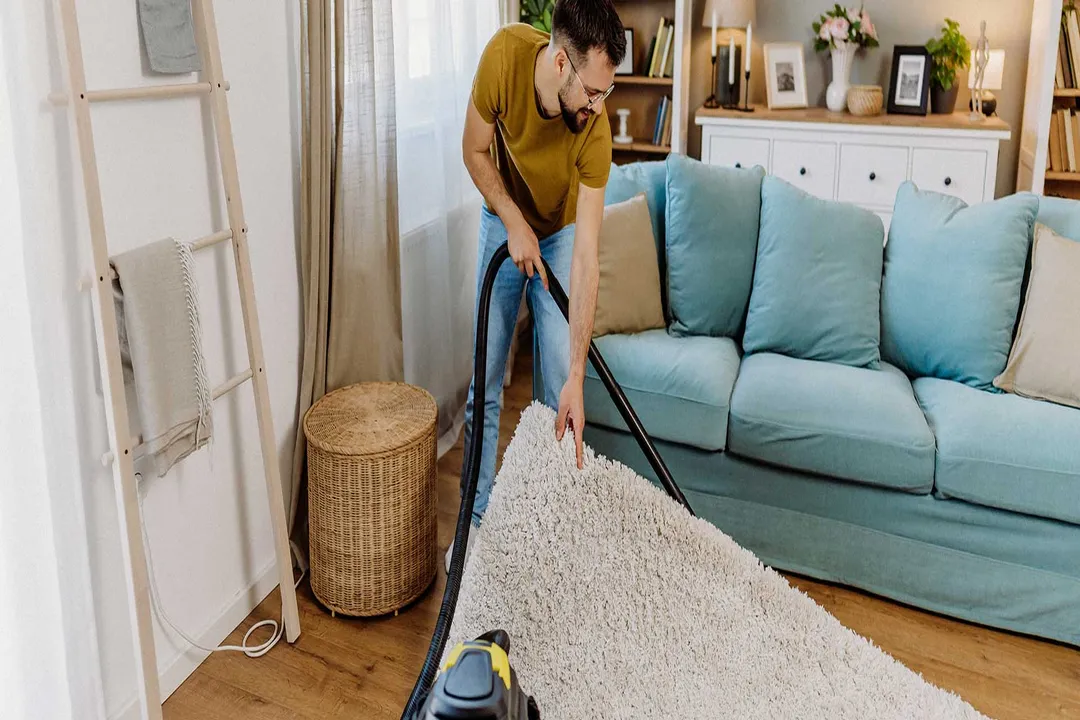
- Vacuuming: Use a vacuum cleaner that features a sealed system and a HEPA filter. Standard vacuums can sometimes exhaust fine particles back into the room. [6] Vacuum carpets, rugs, and upholstery frequently. [10] For hard floors, dry sweeping is counterproductive; instead, damp mop or use a vacuum with good suction. [6]
- Bedding Care: Because dust mites thrive in bedding, washing sheets, pillowcases, and blankets in hot water weekly is recommended to kill mites and wash away allergens. [10] Enclosing mattresses and pillows in dust-proof, allergen-impermeable covers provides a barrier against mite populations developing within the core. [10]
If we think about the efficiency of control, source management (like removing shoes) prevents the introduction of dirt, while filtration deals with the ongoing recirculation. However, considering the density of materials like carpet, it often becomes the largest reservoir for allergens. If one were to replace wall-to-wall carpeting with hard surface flooring (like wood or tile) and commit to damp mopping twice a week, the total potential load of dust that can be disturbed by walking or sitting would drop dramatically in that room, arguably offering a greater, immediate quality-of-life improvement than merely upgrading an HVAC filter alone. [6] This highlights that material choice is a form of passive dust control.
# Dealing with Chemical Dust
The issue of toxic dust demands a slightly different approach than managing allergens. When dealing with flame retardants or heavy metals, the primary concern shifts from immediate respiratory distress to long-term absorption or ingestion. [5]
These chemical contaminants stick to dust particles, making them easily transferable to hands and then to food or the mouth, a process particularly concerning for small children who spend time on the floor. [5] Because these substances are incorporated into manufactured goods, simply washing surfaces with water or vacuuming may not remove them entirely, as they can leach out or remain bound to fine particles that even standard vacuums miss. [5]
For reducing chemical dust exposure, the emphasis must be heavily placed on damp cleaning and filtration, as these methods are better at capturing the fine, toxic fraction of the dust load. [5][10] Regular, thorough vacuuming with a high-quality machine is necessary to remove the bulk of the particles before they become chemically concentrated through settling. [6]
# Monitoring and Habit
Maintaining a low-dust environment requires diligence, not just a one-time deep clean. [4] The air quality of your indoor space is a direct reflection of your cleaning habits and maintenance schedule. [4] For example, failing to dust a room for a year results in a buildup where the material can become compacted, making its disturbance much more significant when you finally clean. [4]
It is helpful to establish a routine based on the specific needs of your home. If you have heavy pet shedding, focus more on vacuuming frequency. If you live in a very dry climate where dust is constantly tracked in, focus more on entryway mats and damp mopping hard surfaces. [1][6] Consistent, moderate effort is superior to sporadic, extreme cleaning sessions that temporarily suspend dust everywhere before it settles again.
Ultimately, while you can never achieve the absolute zero-dust environment of a sealed vacuum chamber, you can certainly create a home environment that is vastly healthier and more comfortable than average by understanding what dust is, where it comes from, and applying methodical control measures against its various components. [7][8] The goal is control, not absolute conquest.
Related Questions
#Citations
Dust & Indoor Air Quality Briefing | American Lung Association
Is there anywhere you can live where there is no dust? - Reddit
Allergy-Free Living: Breathe Easy and Say Goodbye to Dust
I haven't dusted my room in probably a year. Is dust really unhealthy ...
Get toxic dust out of your home this spring - EWG
How To Reduce Exposure To Dust In Your Home | Henry Ford Health
House Dust Allergies Common Even in Clean Homes
Effects of dust exposure and inhalation to the human body
All About Dust | ColumbiaDoctors
Controlling Dust, Dust Mites, And Other Allergens In Your Home