Which inhalers are preventers?

Understanding the foundation of asthma management requires a clear distinction between the tools you use to stop an attack and the tools you use to treat one that is already happening. Inhalers categorized as preventers, often called controllers, are the cornerstone of long-term asthma treatment because they address the root cause of the condition: chronic inflammation and swelling in the airways. Unlike the quick-acting "rescue" inhalers, preventers do not offer instant symptom relief; instead, their protective effect builds slowly over time.
# Controller Purpose

The primary goal of a preventer inhaler is to reduce the baseline level of inflammation within the bronchial tubes. When airways are consistently less swollen and less sensitive, they are far less likely to narrow in response to common triggers like dust, pollen, cold air, or exercise. People prescribed a controller medication usually experience fewer symptoms overall, wake up less often at night due to asthma, and need to use their quick-relief (reliever) inhaler much less frequently, or sometimes not at all.
If a patient is using their reliever inhaler more than twice a week, or experiencing regular nocturnal awakenings, it is a strong indication that their current preventative treatment needs adjustment or that they should be prescribed a controller in the first place. Medical guidelines strongly recommend that no one with asthma should rely solely on a short-acting reliever inhaler (like a blue one) because this approach leaves the underlying inflammation untreated.
# Steroid Medications
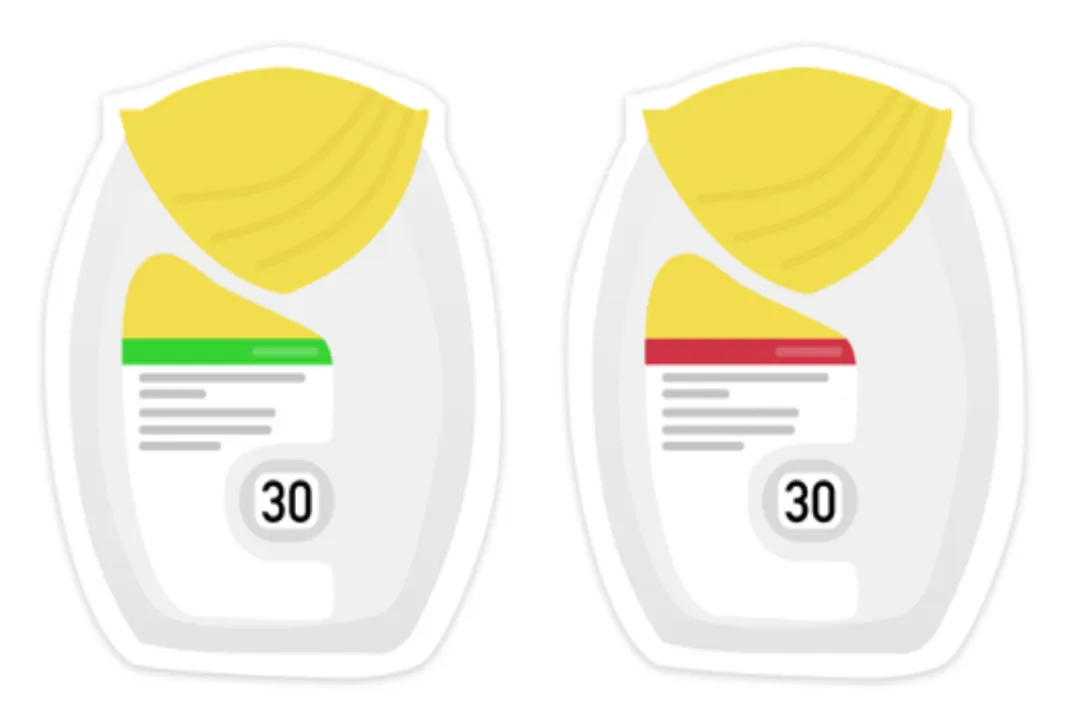
The active ingredient in the vast majority of preventer inhalers is an inhaled corticosteroid (ICS). These synthetic drugs mimic the effects of the natural steroids produced by the body to manage inflammation. They work by down-regulating inflammatory gene expression within the airways, effectively calming down the underlying immune response.
Several key ICS medications are used as mono-therapy preventers, often recognizable by their usual brown or orange/yellow casing:
- Beclometasone Dipropionate (e.g., Clenil Modulite, Qvar).
- Budesonide (e.g., Pulmicort). Budesonide is available as a standalone preventer or in combination forms.
- Fluticasone Propionate (e.g., Flixotide).
- Ciclesonide (e.g., Alvesco).
- Mometasone (e.g., Asmanex Twisthaler).
These are often referred to as single therapy or mono-therapy preventers because they contain only the corticosteroid.

# Combination Drugs
For many individuals, especially those with moderate to severe asthma, a single ICS may not provide sufficient control. In these cases, a healthcare provider may prescribe a combination inhaler that pairs the inhaled corticosteroid with another type of bronchodilator.
The most common pairing involves combining the ICS with a Long-Acting Beta Agonist (LABA), a medication that keeps the airways open for 12 hours or more. This combination delivers both anti-inflammatory action and sustained bronchodilation in one device:
- Fluticasone Propionate / Salmeterol (e.g., Seretide).
- Budesonide / Formoterol (e.g., Symbicort).
- Fluticasone Furoate / Vilanterol (e.g., Breo Ellipta).
In cases of very severe asthma, a triple therapy inhaler may be prescribed, which combines an ICS, a LABA, and a Long-Acting Muscarinic Antagonist (LAMA), such as tiotropium, aclidinium, or glycopyrronium.
# Non-Steroidal Alternatives
While inhaled steroids are the mainstay, other classes of medication can also function as long-term controllers:
- Leukotriene Modifiers: Drugs like Montelukast, Zafirlukast, and Zileuton work by blocking the effects of leukotrienes, chemicals released by the immune system that cause asthma symptoms. These medications can help manage symptoms for up to 24 hours. It is vital to note that Montelukast has been linked to rare but serious psychological reactions, prompting regulatory warnings.
- Cromolyn: Cromolyn nasal sprays are mentioned as a safe, long-term option for managing symptoms specifically related to allergic triggers, though they are generally not as effective as inhaled steroids.
# Routine and Response Time
The defining characteristic of a preventer inhaler is the daily routine required for efficacy. You must take this medicine every single day as directed by your physician, regardless of how well you feel on that particular day. Stopping the medication when symptoms subside is a sure way to lose the built-up protection, leading to renewed inflammation and increased attack risk.
Because they treat the underlying biology of the condition rather than providing immediate relief, the full benefit of ICS therapy takes time to manifest. It may require two to four weeks of consistent daily use before you notice the medication reaching its maximum protective effect. This waiting period is often challenging for patients expecting instant results, especially when symptoms are present. For instance, if a patient has mild asthma and only experiences symptoms occasionally, waiting nearly a month for the full protective layer to form can feel counterintuitive compared to the immediate relief of a rescue inhaler. A helpful approach is to link the preventer dose to an existing daily habit—perhaps using it immediately before brushing your teeth in the morning and evening, ensuring the routine remains unbroken.
# Advanced Therapy Methods
Current guidelines sometimes move beyond the traditional "regular preventer plus as-needed reliever" approach, especially for mild asthma or those needing better control overall.
# Anti-Inflammatory Reliever (AIR)
For mild asthma, a newer approach involves using a specific combination inhaler (ICS plus the fast-acting bronchodilator formoterol) only when symptoms arise. This is called Anti-Inflammatory Reliever (AIR) therapy. The advantage here is that even the "as-needed" dose delivers the necessary anti-inflammatory medicine to counteract the immediate swelling caused by the flare-up. This regimen has largely replaced the "as-needed reliever only" approach for mild asthma.
# Maintenance and Reliever Therapy (MART)
A more advanced strategy, often favored for moderate to severe asthma, is Maintenance and Reliever Therapy (MART). MART utilizes a single combination inhaler, typically containing an ICS and Formoterol (like Symbicort), which serves both functions. Patients use this inhaler regularly, usually twice daily, for maintenance, but they also use it upon experiencing symptoms or even for an asthma attack. This method simplifies the routine to one device and is sometimes shown to be more effective than using separate daily preventers and as-needed relievers. Patients on a MART plan generally do not need a separate blue reliever inhaler.
# Delivery and Technique
How the medicine gets from the plastic device into your lungs is almost as important as the medicine itself. Inhalers come in several forms:
- Pressurised Metered Dose Inhalers (MDIs): These use a propellant gas to spray a dose when the top is pressed. They require excellent coordination—pressing the canister and beginning a slow, deep breath simultaneously.
- Dry Powder Inhalers (DPIs): Devices like the Turbohaler or Accuhaler release the medicine as a dry powder when the user takes a strong, fast breath through the mouthpiece. These are often less complex in terms of coordination but demand a powerful inhalation effort.
- Soft Mist Inhalers (SMIs): These use liquid medicine to create a fine mist that is easy to inhale.
A key consideration for MDI use is technique. Inhalers that require good coordination can lead to much of the medicine being deposited on the tongue or the back of the throat rather than reaching the lower airways, especially in children or the elderly. To counteract this, a spacer device—a chamber that holds the dose after the puff is fired—is highly recommended for use with MDIs at home. Using a spacer can increase medication reaching the lungs by up to 70% while simultaneously reducing the drug that gets absorbed systemically, thereby lowering local side effects.
It is worth noting that while DPIs and newer MDIs generally have a lower carbon footprint than older, propellant-based MDIs, the best inhaler is the one the patient can use effectively. If a patient cannot achieve the necessary deep, forceful breath for a DPI, an MDI with a spacer often provides superior delivery than an improperly used DPI. This trade-off between environmental preference and guaranteed effective delivery is an important discussion point with a healthcare provider.
# Managing Side Effects
Inhaled corticosteroids deliver a small dose directly to the lungs, meaning systemic side effects are generally less common than with oral steroids. However, because the drug is deposited locally, side effects within the mouth and throat are the most frequent concerns:
- Sore throat.
- Hoarseness or a croaky voice.
- Oral thrush (candidiasis), a mouth infection.
These local side effects are easily mitigated. The most effective preventative measure is rinsing the mouth thoroughly with water and spitting it out immediately after using the steroid inhaler. If the inhaler is an MDI, using a spacer also helps trap the medication away from the throat.
When used long-term, especially at higher doses, there is a small theoretical risk of systemic absorption, leading to concerns like reduced bone mineral density (osteoporosis), cataracts, or glaucoma. In children, prolonged high-dose steroid use can slightly affect growth trajectories. However, medical consensus indicates that the risks associated with untreated or poorly controlled asthma—which may require courses of high-dose oral steroids that carry much higher systemic risks—far outweigh the small, manageable risks of low-dose inhaled steroids. If a patient is on a high dose long-term, doctors often check growth rates in children and may advise on adequate calcium intake for bone health. Any persistent, non-resolving hoarseness lasting more than three weeks warrants a medical check-up to rule out other causes.
Related Questions
#Citations
Steroid preventer inhalers - Asthma + Lung UK
Asthma Preventers and Controllers
Asthma medications: Know your options - Mayo Clinic
Medication: Preventer Inhalers - Moving on Asthma
Preventer Inhalers for Asthma Care
Preventer/controller inhalers - Asthma Society of Ireland
Asthma Inhalers: Names and Types - Patient.info
About budesonide inhalers - NHS