Which cancers are not curable?
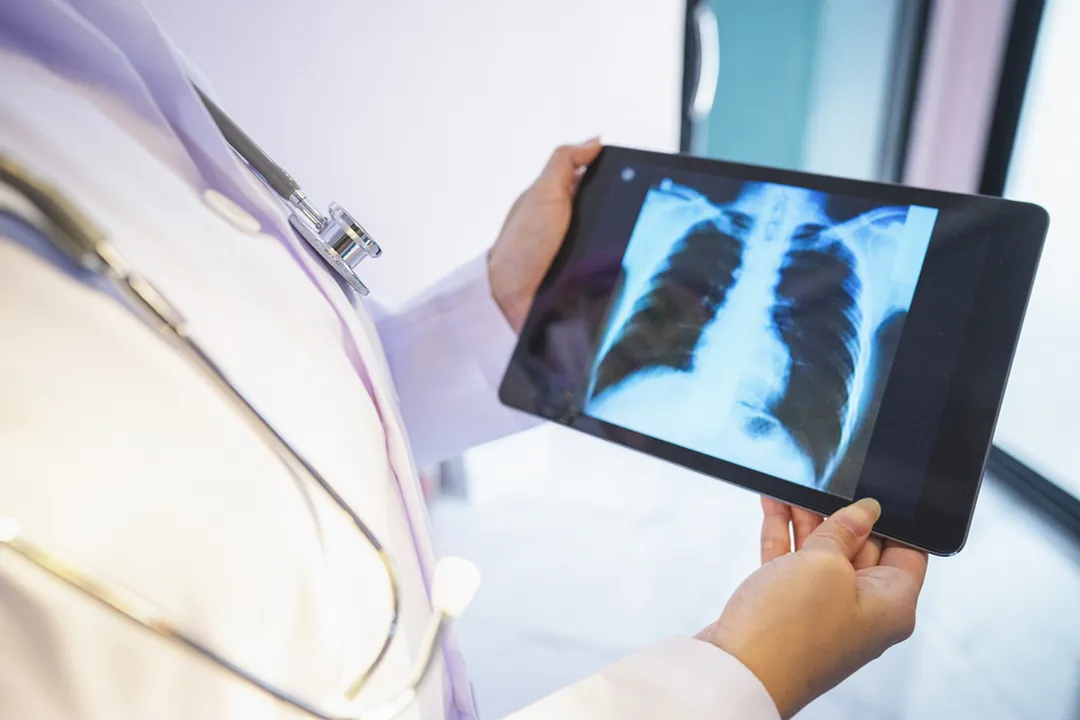
The reality of cancer treatment is complex, and the term "incurable" is often a reflection of medical statistics at a specific point in time rather than an absolute verdict for every individual case. For many people diagnosed, the goal shifts from a complete cure to long-term management, turning cancer into a chronic condition that requires ongoing attention. [3] When we discuss cancers that are not curable, we are usually referring to those that are highly aggressive, rapidly metastatic, or those that resist standard treatments, making it incredibly difficult for medicine to eliminate every last malignant cell. [1][6]
# Prognosis Nuance
Understanding why a specific cancer might be labeled "incurable" requires looking at the stage at diagnosis. If cancer has spread significantly beyond its original site—a condition often referred to as advanced cancer—the likelihood of achieving a cure decreases substantially. [3] Research, however, continues to define "incurable" more as "currently untreatable with high success rates" rather than hopeless. [1] The focus in these situations often transitions to extending life, improving quality of life, and managing symptoms, a process that demands significant expertise and patient involvement. [3]
A key point often overlooked when discussing incurability is the difference between treating a localized tumor and eliminating microscopic cells that have already traveled elsewhere in the body. For instance, when looking at survival data, you often see figures like 5-year survival rates. [9] While a 5-year survival rate of, say, 15% for a particular cancer sounds daunting, it means that for every seven people diagnosed, one is still alive five years later. [8][10] When this figure is compared to cancers where the 5-year survival rate is closer to 90%, the gap highlights the severity of the biological challenge posed by the less survivable types. [8] For the most aggressive cancers, even small absolute percentage gains in survival rates—moving from a 5% to an 8% 5-year survival—represent a significant qualitative leap in potential years added for those affected, even if the cure rate remains statistically low. [8]
# Silent Growth
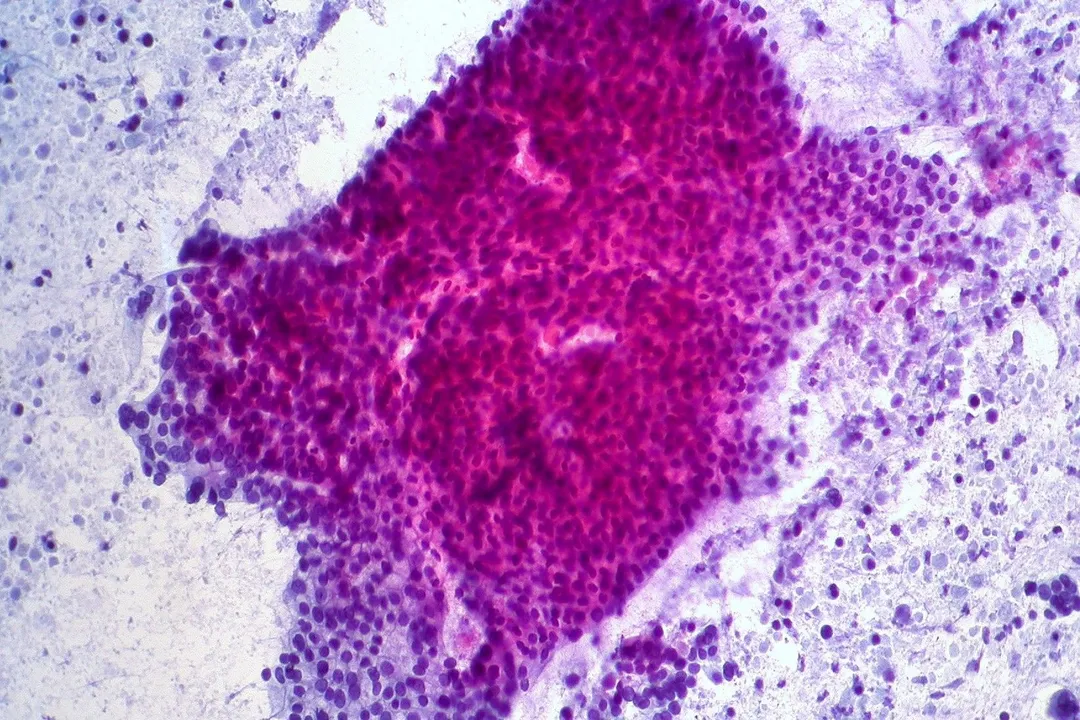
Many cancers that prove difficult to treat successfully share a common trait: they are adept at hiding in plain sight until they have advanced considerably. [5][7] These are often referred to as "silent cancers" because symptoms may be vague, non-existent, or easily attributed to other, less serious ailments. [7]
Cancers that are difficult to detect early often include:
- Pancreatic Cancer: It rarely causes noticeable symptoms until it is advanced, making early diagnosis extremely rare. [5][7]
- Ovarian Cancer: Symptoms can be subtle and non-specific, leading to late-stage diagnoses. [5][7]
- Esophageal Cancer: Like several others, this cancer often presents with only mild symptoms until the tumor is substantial. [7]
The connection between late detection and incurability is direct. If a cancer, such as lung or colon cancer, is caught when it is localized, treatments like surgery have a much higher chance of being curative. [5] Once these aggressive cancers metastasize—meaning the cells have broken away and established secondary tumors in distant organs—the disease is biologically far more widespread, making elimination with current systemic therapies a much harder proposition. [1][6]
# Aggressive Types
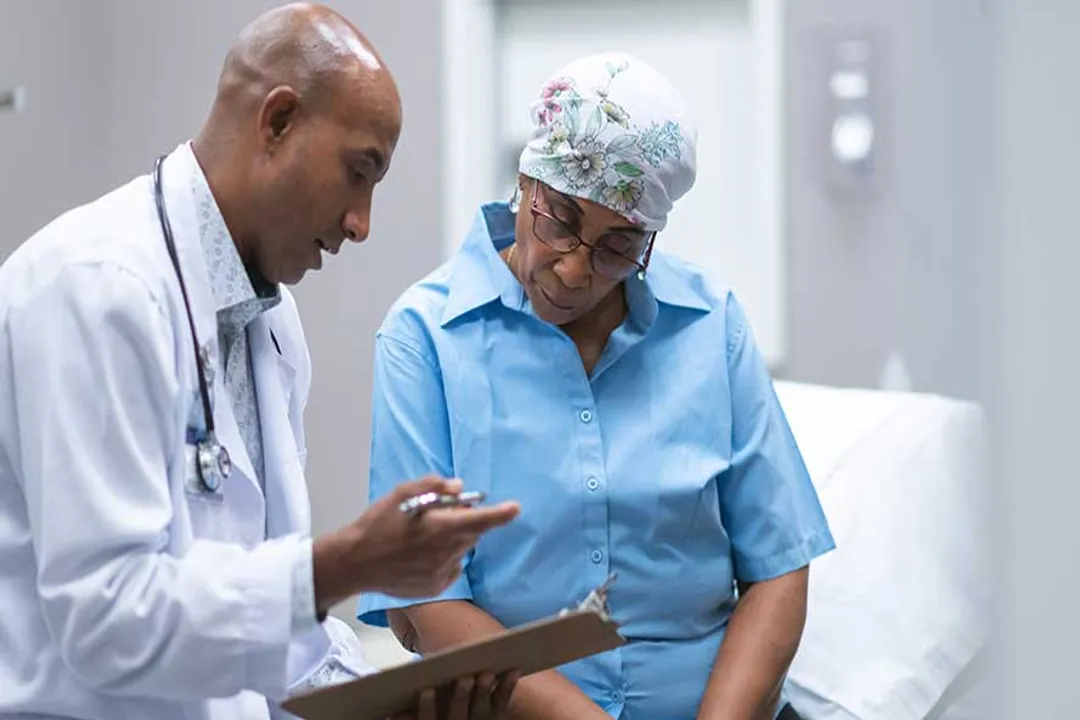
Certain cancers present inherent biological obstacles that make achieving a cure elusive, regardless of detection timing. These tumors may grow incredibly fast, resist standard chemotherapy or radiation, or originate in areas of the body that are difficult to access surgically. [2][6]
The group considered the most dangerous often includes cancers that pose high mortality risks for both men and women. [4] For men, cancers like prostate, lung, and colorectal cancer represent major threats. [4] Similarly, women face high risks from breast, lung, and colorectal cancers. [4] However, when focusing specifically on those notoriously difficult to cure, the list often features types known for rapid spread and resilience:
- Glioblastoma (a type of brain cancer): These tumors infiltrate surrounding brain tissue deeply, making it nearly impossible to remove every single cell surgically or with radiation, even when the main mass is addressed. [2]
- Advanced or Metastatic Lung Cancer: Despite significant advances, lung cancer, particularly when diagnosed after it has spread, remains a leading cause of cancer death because of its inherent aggressiveness. [2][6]
- Advanced Liver Cancer: Due to the complex nature of the liver and the frequent association with underlying chronic liver disease, treatment options can be limited once the cancer is advanced. [6]
The challenge with these aggressive cancers often lies in their cellular makeup. They frequently possess genetic mutations that allow them to rapidly evade cell death signals or quickly repair DNA damage caused by therapy, demanding constant innovation in targeted drug development. [1]
# Survival Benchmarks

While many statistics focus on the deadliest cancers, it is helpful to look at broader survival benchmarks to understand the scope of the problem. For instance, in the UK, survival rates for common cancers like breast, prostate, and colorectal cancer have shown significant improvement over the past few decades, illustrating that progress is being made even against historically difficult diseases. [8] However, cancers like pancreatic cancer continue to show lower survival rates compared to others. [8]
When evaluating the prospect of a cure, it is important to note that survival rates can vary geographically and based on the healthcare system's efficiency in treatment delivery. [10] Factors such as access to the newest combination therapies, participation in clinical trials, and timely surgical intervention all play a role in whether a patient moves from the "incurable" statistical bucket into the survivor category. [9][10] Recognizing this variability should encourage patients, especially those facing a difficult diagnosis, to inquire actively about specialized treatment centers or novel approaches that might not be standard practice everywhere. Being an engaged advocate for your own care, by seeking out centers specializing in your specific cancer type, can sometimes change the statistical odds presented at the time of initial diagnosis. [9]
# Future Direction
The pathway toward making today's "incurable" cancers manageable or curable rests squarely on ongoing research. [1] Scientists are working to better understand the unique biological profiles of these aggressive tumors, moving away from a one-size-fits-all approach. This means developing precision medicine strategies where treatment is tailored based on the specific genetic fingerprint of the patient’s tumor, rather than just the organ it started in. [1]
The hope is not just to find a single "cure," but to develop a sequence of highly effective, tolerable treatments that keep the cancer in check indefinitely. For example, advancements in immunotherapy, which harnesses the patient's own immune system to fight cancer cells, offer new avenues against tumors that previously ignored chemotherapy. For cancers that currently lack a clear path to cure, research into resistance mechanisms—understanding why the cancer stops responding to treatment—is just as vital as finding the initial effective drug. [1] This sustained investigation into fundamental cancer biology is what will eventually shift the definition of what is possible for patients facing the most challenging diagnoses today.
Related Questions
#Citations
What Are Incurable Cancers? | Understanding & Hope
The 10 deadliest cancers, and why there's no cure - Live Science
What is advanced cancer? | Macmillan Cancer Support
Most Dangerous Cancers in Men and Women - UnityPoint Health
These 5 Cancers are Difficult to Detect | Moffitt
The top 10 deadliest cancers — and why there's no cure - NBC News
6 Silent cancers that you need to keep an eye on - HCG Oncology
Cancer survival for common cancers
Cancer Survival Rate: Understanding Your Prognosis
Cancer survival rates | Nuffield Trust