What is the future of pharmacogenomics?
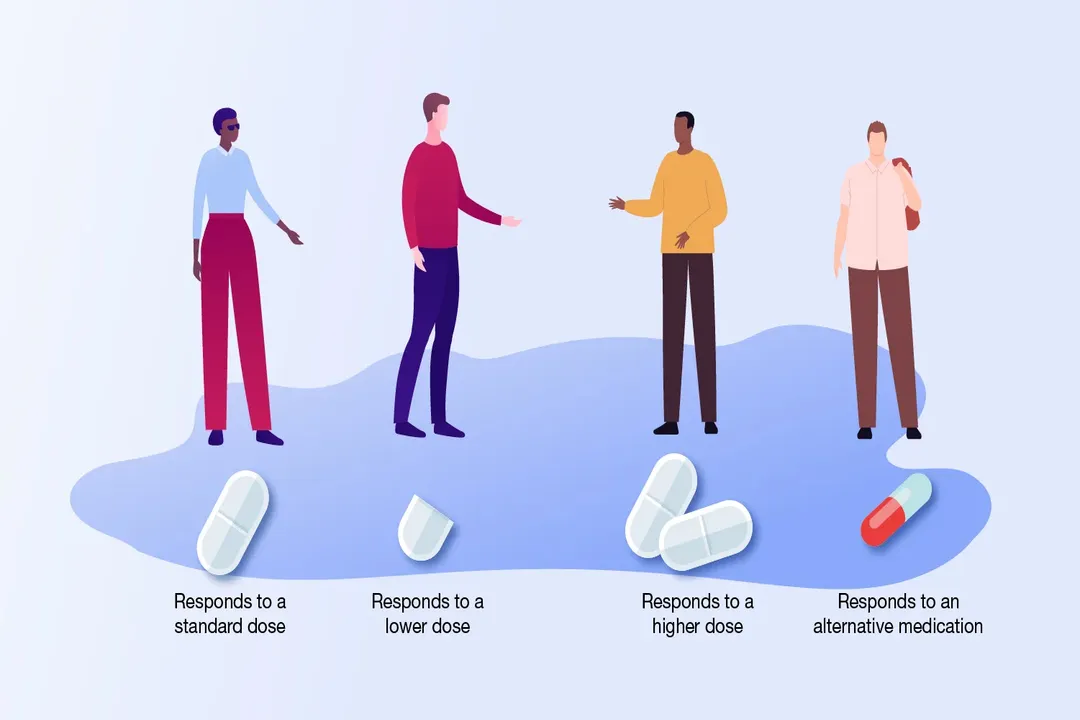
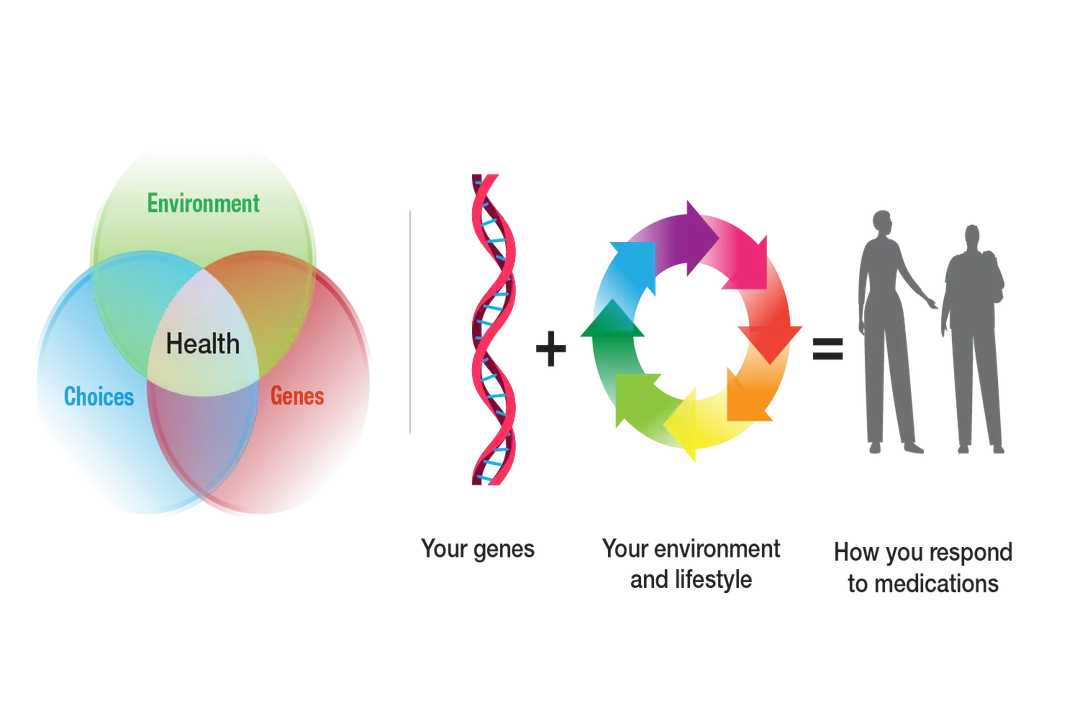
Pharmacogenomics, often abbreviated as PGx, sits at the intersection of pharmacology and genetics, fundamentally exploring how an individual’s unique genetic makeup influences their response to medication. [8] It is a core component of the movement toward personalized medicine, aiming to prescribe the right drug, at the right dose, for the right patient at the right time. [4][10] While the concept isn't entirely new—observations about drug response variation have existed for decades—the ability to analyze the underlying genetic mechanisms is rapidly advancing, shifting the field from an academic curiosity to a tangible clinical tool. [3][8] The future of pharmacogenomics is not simply about identifying more gene-drug pairs; it is about achieving widespread, actionable integration into routine healthcare workflows. [2]
# Current Scope
Today, PGx testing focuses on specific, well-established gene-drug interactions where the clinical impact of a known variant is high and the evidence base is strong. [3] Examples often cited include genetic testing related to certain antidepressants, tamoxifen for breast cancer, and medications like clopidogrel or warfarin. [3][9] These established pathways provide solid proof-of-concept for the field, showing that genetic information can indeed prevent adverse drug reactions (ADRs) or guide therapeutic selection when applied appropriately. [5] However, the current reality often involves testing only for a limited number of variants or genes, often depending on the specific medication being considered at that moment. [1][3] This often means clinicians are relying on a narrow snapshot of a patient’s pharmacogenetic profile, rather than a comprehensive one.
# Testing Evolution
The next wave of PGx advancement revolves around shifting from targeted, single-gene tests to more expansive genetic evaluations that can inform decisions across numerous drug classes simultaneously. [1][7] We are moving toward broader genomic screens that look beyond single nucleotide polymorphisms (SNPs) within individual genes. This includes the increasing utility of polygenic risk scores (PRS), which aggregate the small, cumulative effects of many genetic variants across the genome to predict complex traits, including drug response, which single-gene tests cannot capture. [1][5] While many PRS are currently focused on disease risk, their application to drug efficacy and toxicity is a rapidly emerging area of research and future implementation. [5]
It is helpful to consider this evolution in terms of testing panels. Currently, many systems employ panels covering perhaps 5 to 15 clinically actionable genes. The future suggests a transition toward genomic stratification, where either a broad panel test (covering hundreds of known markers) or even the re-analysis of existing whole-exome or whole-genome sequencing data becomes the norm. [1][7] This represents a fundamental change in clinical practice, moving from a reactive test ordered because a drug is being considered, to a proactive, foundational test performed upon entry into the healthcare system, much like a routine blood count, that remains relevant for the patient's entire life. [4]
A key challenge in this transition involves validating the clinical utility of these broader tests against the established evidence for narrow panels. For example, while testing for a single CYP2D6 variant for a specific antidepressant is clear-cut, a 200-gene panel requires standardized guidelines for all 200 associated drugs to be clinically useful upfront. [2][7] Systems that can successfully curate, interpret, and display actionable data from these large datasets will define the leaders in personalized care.
# Clinical Integration
Even with perfect genetic data, pharmacogenomics fails if the results remain inaccessible or unusable at the point of care. A major area defining the future success of PGx lies in implementation science—the process of embedding these insights directly into the electronic health record (EHR) and clinical workflow. [2]
The future standard must involve sophisticated Clinical Decision Support Systems (CDSS). [2] These are not merely pop-up alerts. Instead, they should be intelligent systems that flag potential genetic conflicts before a prescription is finalized, offering evidence-based alternatives or dosing adjustments tailored to the patient's genotype. [2][9] This requires standardization. For instance, a common issue in early adoption is a lack of uniform interpretation across different laboratories or knowledge bases. [2] The future demands interoperability and shared standards so that a genetic result interpreted by one facility is understood and trusted by any other using the same established guidelines.
When thinking about practical application in a busy clinic setting, consider the common prescription of a proton pump inhibitor (PPI) or a selective serotonin reuptake inhibitor (SSRI). Currently, a clinician might adjust the dose based on liver function or patient weight. In the PGx-integrated future, the EHR should automatically query the patient's stored genetic data for relevant metabolizer status (e.g., CYP2C19 or CYP2D6) and present the recommended starting dose based on that specific status alongside the traditional factors. This kind of automated, personalized dosing suggestion, based on pre-existing genetic data, is the functional embodiment of the future promise. [1]
# Data and Analytics
The sheer volume of genomic information necessitates advanced computational approaches. The future development involves the increasing use of Artificial Intelligence (AI) and Machine Learning (ML) to analyze complex genetic patterns that are invisible to current, rule-based CDSS. [1] While current PGx is largely deterministic (Gene X variant always means Y response), many drug responses are probabilistic. AI/ML can process genomic data alongside traditional clinical variables—age, comorbidities, lifestyle factors—to create much finer-grained predictions of drug efficacy and toxicity, particularly for drugs where multiple genes contribute to the outcome. [1]
This evolution also ties into data management and governance. For these systems to work across populations, standardized data structures are essential, as noted by experts working on clinical implementation frameworks. [2][7] Furthermore, the ethical management of this sensitive, lifelong data—how it is stored, who has access, and how it is updated—will need to mature in parallel with the technology. [7]
If a healthcare system today relies only on a small, mandated PGx panel for, say, five specific medications, the actionable data set is small. A forward-looking strategy involves designing the initial data capture process now—perhaps by requiring broader panel testing for newborns or high-risk patients—so that future AI algorithms, once validated, can immediately begin generating value from the existing data archive without needing to re-test the entire patient population. [1] This anticipatory data collection strategy bridges the gap between today's limited testing and tomorrow's broad predictive models.
# Access and Equity
A critical aspect of the future is ensuring that pharmacogenomics does not exacerbate existing health disparities. If PGx testing remains expensive, slow, or only available in specialized academic centers, it becomes a benefit reserved for the privileged, not a universal advancement in medical care. [3]
This issue touches upon two primary barriers: reimbursement and education. [2] For the field to scale, insurance payers must recognize the cost-saving potential of avoiding ADRs and failed therapies, leading to broad and consistent reimbursement policies for actionable PGx tests. [1][2] The current inconsistency is a major roadblock to widespread adoption. [2]
Education must also be targeted:
- For Clinicians: Moving beyond basic awareness to actionable knowledge regarding how to interpret a genetic report and integrate it into daily prescribing habits. [3][6]
- For Patients: Clear communication about what the test is, what it covers, and its implications for current and future care is vital for informed consent and adherence. [3]
The promise of PGx is precision for everyone. Therefore, the future must include mechanisms for making testing affordable and accessible, potentially through population-based screening programs or integration into primary care settings rather than just specialty consultations. [9] Ensuring diversity in the reference populations used to establish genetic associations is also crucial to prevent the creation of algorithms that perform poorly in underrepresented ethnic groups. [1]
# The Pharmacist's Role
As PGx becomes more sophisticated, the role of the pharmacist evolves from dispensing medication to actively managing the intersection of the patient's genetics and their drug regimen. [6] Pharmacists are uniquely positioned to bridge the gap between complex genetic reports and practical clinical application. [3][6]
Their future responsibilities will likely include:
- Result Interpretation: Acting as the central interpreter of PGx reports, translating raw genotype data into phenotypic predictions (e.g., ultra-rapid metabolizer, poor metabolizer). [3]
- Clinical Stewardship: Proactively managing medication reconciliation based on genetic findings, especially in complex patients with multiple prescriptions. [6]
- CDSS Management: Assisting in the maintenance and optimization of the automated decision support tools embedded within the EHR. [2]
This shift elevates the pharmacist to a key decision-maker in the personalized medicine pathway, requiring specialized training in genomic literacy. [6] When a genetic test flags a patient as a slow metabolizer for a common drug, it is often the pharmacist who reviews the patient's current active medication list to see if an alternative drug metabolized by a different pathway is available, or who communicates the necessary dose reduction back to the prescribing physician. [6]
# Redefining Treatment Paradigms
The ultimate future state of pharmacogenomics is the shift from a reactive medical model to a truly proactive one. [4] In the current paradigm, a patient often fails one or two medications, experiences side effects, or suffers a serious ADR before PGx testing is ordered as a last resort. [3][5] The cost of these failures—both human suffering and financial strain from ineffective therapy—is substantial. [5]
In the desired future state, PGx information will be foundational, leading to:
- Optimized Initial Dosing: Reducing the typical trial-and-error period that can last weeks or months for certain drug classes. [5]
- Minimization of Toxicity: Preventing severe adverse events before they happen by avoiding drugs whose metabolism is genetically impaired. [5]
- Broader Drug Utilization: Making drugs currently restricted due to narrow therapeutic windows (like some chemotherapy agents or immunosuppressants) safer and more widely applicable by precisely tailoring the dose. [7]
When considering the regulatory landscape, the future also involves greater clarity from bodies like the FDA regarding which drug labels must include PGx guidance versus those where it is optional. [7] As more gene-drug pairs are proven effective, regulatory requirements will likely move toward mandates, further cementing PGx into standard clinical practice guidelines across various specialties, from psychiatry to cardiology. [9] This move is essential for ensuring that all healthcare providers, not just those in early-adopting centers, are using the best available evidence.

Related Questions
#Citations
The Future of Pharmacogenomics - PubMed Central - NIH
Pharmacogenomics: current status and future perspectives - Nature
Pharmacogenomics: The Future Of Personalized Medicine - CPGR
Pharmacogenomics: The Future of Personalized Medicine
Personalized Medicine and the Future of Pharmacogenomics
Clinician Experiences at the Frontier of Pharmacogenomics and ...
Pharmacogenomics Fact Sheet - Genome.gov
The Present and Future of Pharmacogenomics
Pharmacogenomics: The Future of Precision Medicine | RGA